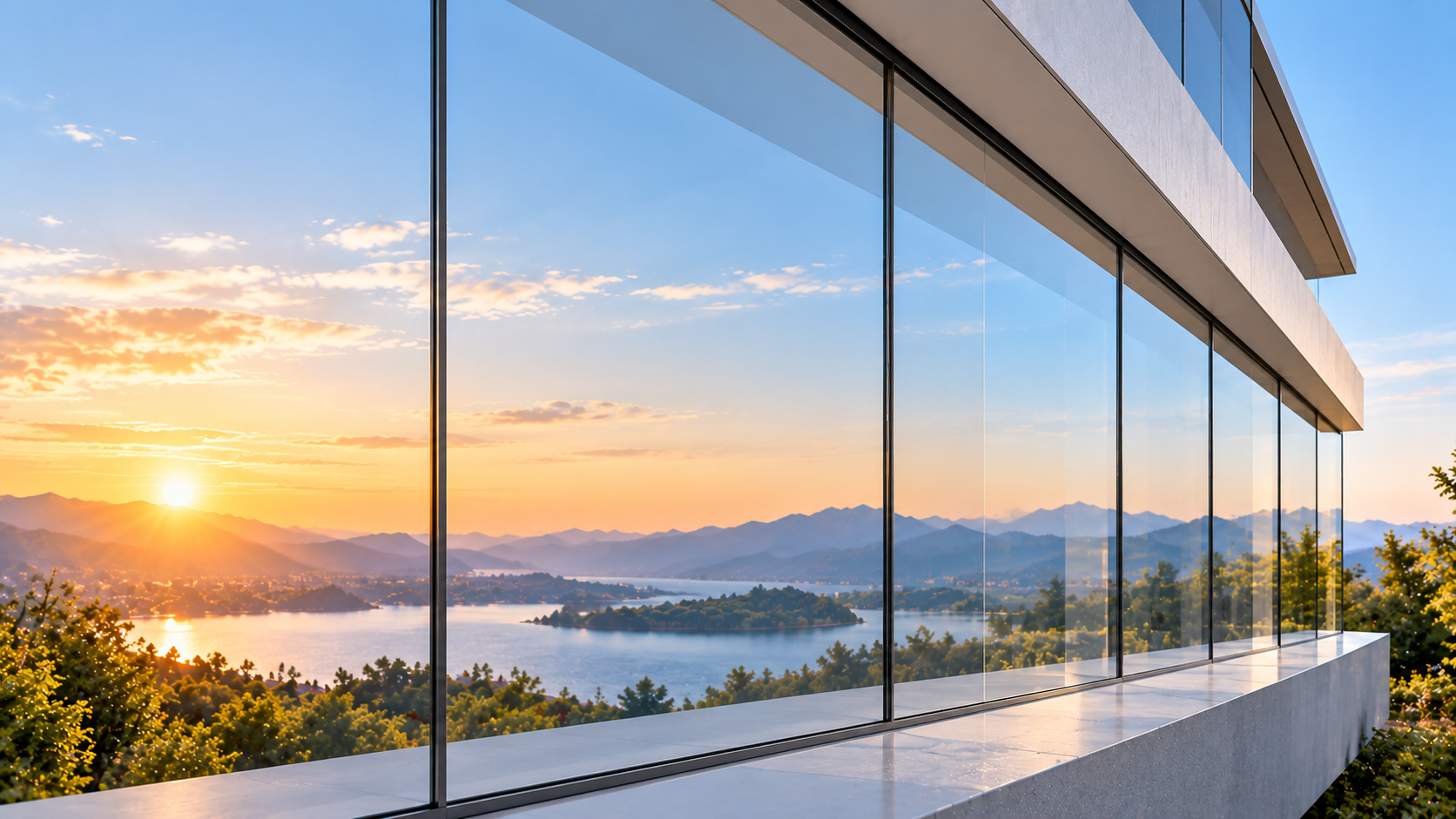
A room can have a large window and still feel dim. The amount of daylight that reaches the interior depends on more than the size of the glass. Window orientation, surrounding buildings, external shading, room depth, glass properties and the position of the opening all influence how light spreads through a space.
Good window planning uses daylight deliberately. Beautex aluminium windows can support different opening sizes and configurations, but the placement and glass specification should be considered early in the architectural design.
Window Size Is Only One Part of Daylight
A larger window generally admits more daylight, but it does not guarantee even illumination. A deep room with one opening may have a bright area near the facade and a darker zone further inside. The height of the window head, the width of the opening and the reflectance of interior surfaces all affect how far daylight travels.
Where possible, consider the relationship between the window and the room layout. Light-coloured ceilings and walls can help distribute daylight, while tall obstructions or deep balconies may reduce the amount that reaches the interior.
Orientation Changes the Quality of Light
North-facing openings often receive more consistent indirect daylight in many northern-hemisphere locations, while east-facing openings receive morning sun and west-facing openings receive afternoon sun. South-facing openings have a different seasonal sun path and may need suitable shading.
The local climate, nearby buildings and site conditions can change these general patterns. A daylight decision should be made using the actual site rather than a universal rule about which direction is best.
Choose Glass for Both Light and Comfort
Visible light transmission describes the proportion of visible daylight that passes through glazing. Solar heat gain coefficient describes the fraction of incident solar energy that enters as heat. These values help explain why two glass products that look similar can behave differently.
Dark or reflective glass is not automatically the best solution for glare or heat. The goal is to balance useful daylight, solar control, privacy and views. Beautex aluminium window projects should select glazing based on orientation and room use, with technical data reviewed before approval.
Use Shading Without Losing All the Daylight
External overhangs, fins, screens and louvers can reduce direct sun before it reaches the glass. Internal blinds and curtains can manage glare and privacy, although they act after sunlight has entered the room. The appropriate solution depends on the facade, sun path and the amount of daylight required.
Window placement should also support ventilation and furniture planning. A window hidden behind tall storage or permanently covered by heavy curtains may not deliver the daylight benefit intended by the design.
Final Thought
Natural light is a design outcome, not simply a product feature. Window size, orientation, glazing, shading and interior layout must work together to create rooms that are bright without becoming uncomfortable.
Before finalising aluminium window dimensions, review the daylight conditions of each elevation and the way the room will be used. A carefully positioned and specified Beautex window can make the most of available daylight while respecting the thermal and privacy needs of the home.