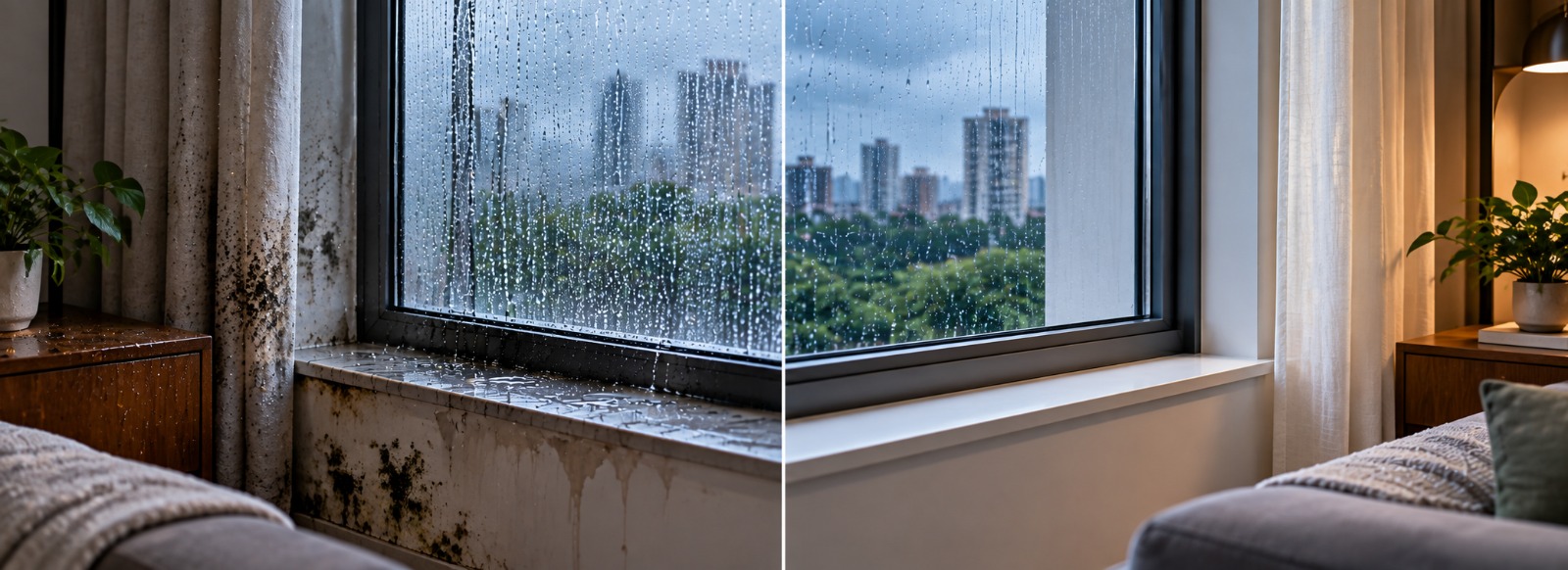
Architecture and residential design continue to evolve, and the windows that define modern homes are evolving with them. In 2026, the conversation around aluminium windows has shifted from simply choosing a material to understanding how that material can be used to serve design, performance, and lifestyle goals simultaneously.
What architects are specifying and what homeowners are requesting have converged in interesting ways. Here are the trends defining aluminium windows in 2026.
1. Minimal Sightlines and Maximum Glass
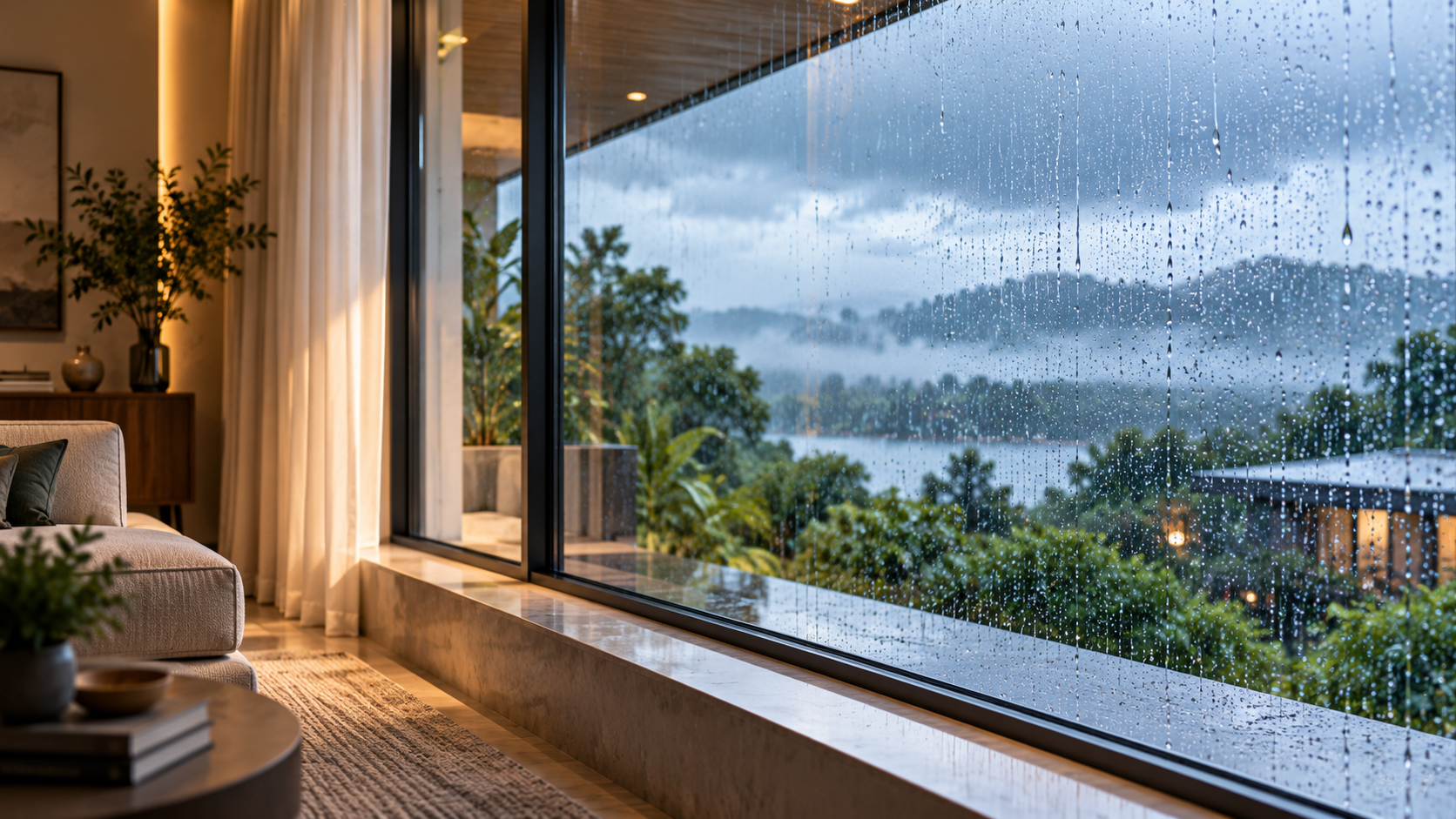
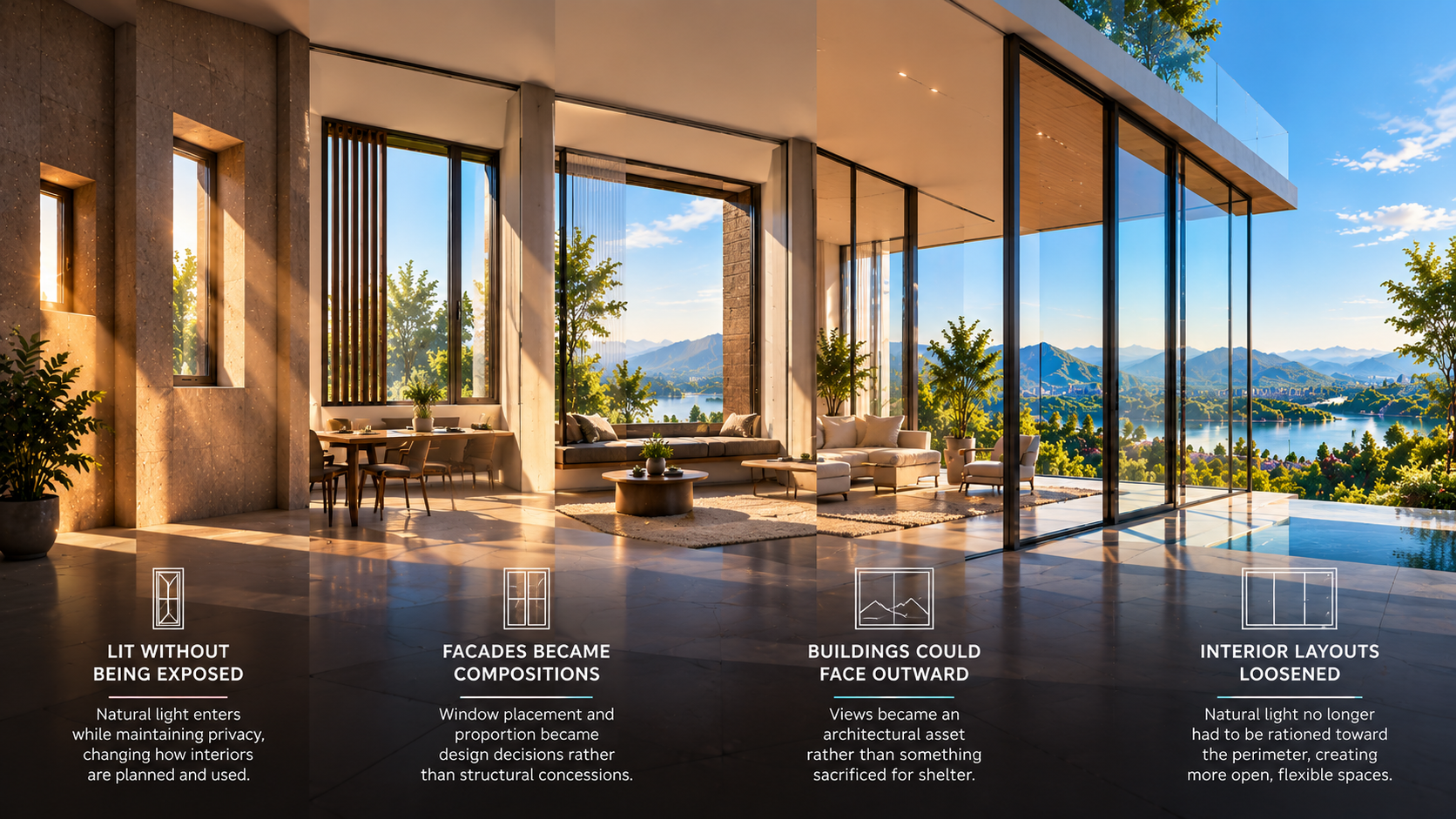
The push for slimmer profiles and larger glass areas continues to be the dominant direction in premium residential design.
Architects are specifying systems with narrower frame widths to reduce visual obstruction and create a more seamless connection between interior and exterior. Aluminium window makers are responding with engineered profiles that maintain structural integrity at smaller cross-sections, allowing more glass without compromising the system.
This trend is particularly pronounced in villas and contemporary apartments where the quality of light and the sense of openness are design priorities.
2. Thermally Broken Systems as Standard
Thermal performance has moved from a premium option to an expected feature.
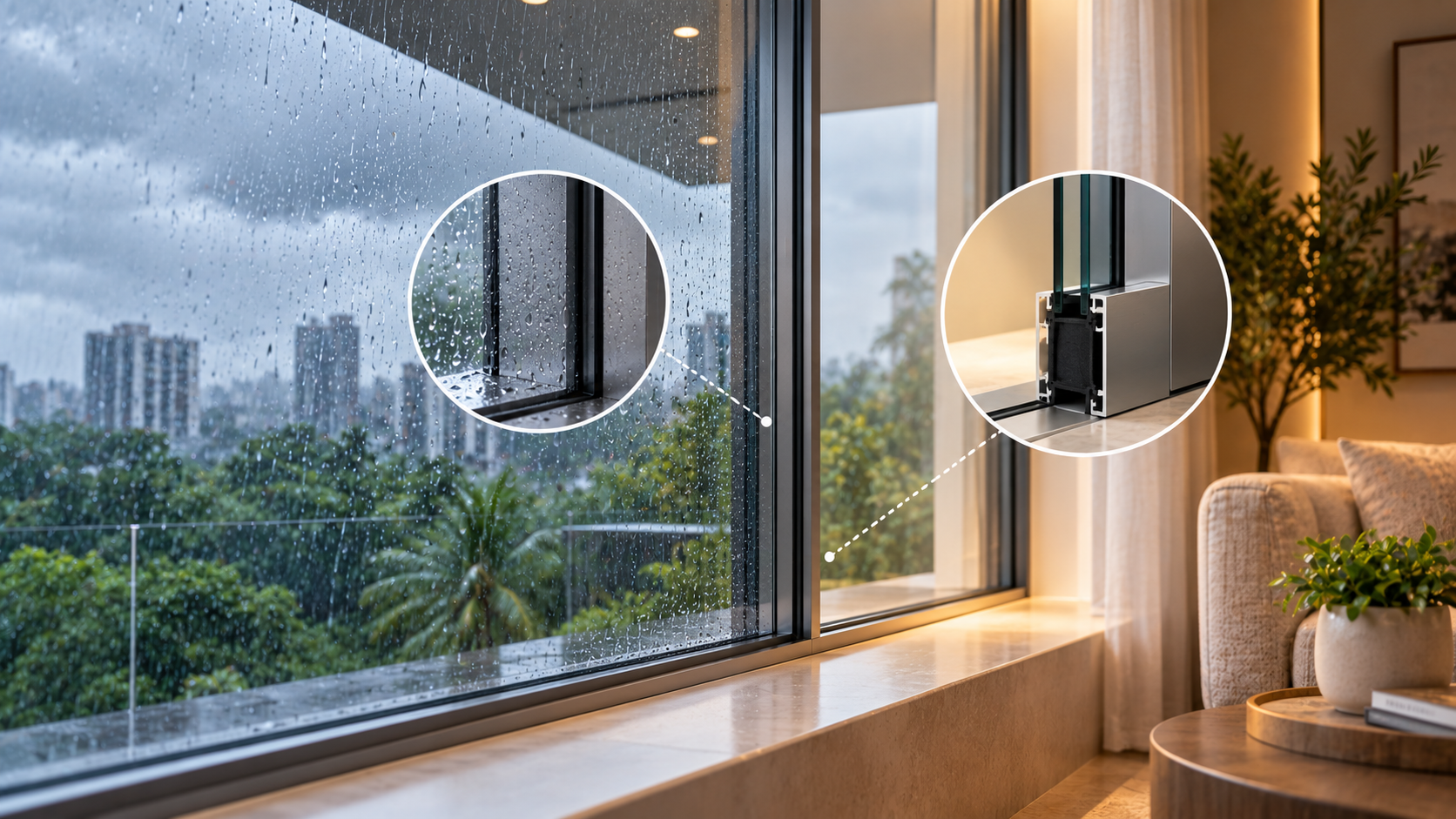
In 2026, thermally broken aluminium window profiles are increasingly the baseline specification in well-designed homes, not an upgrade. Architects and informed homeowners understand that the long-term comfort and energy performance of a home depend on this feature being included from the start.
Aluminium window companies that have invested in thermally broken product lines are finding that specification happens without prompting because the conversation around energy efficiency has matured significantly.
3. Large Format Sliding and Lift-and-Slide Systems
The demand for expansive openings that connect living spaces to terraces, gardens, and balconies continues to grow strongly.
Large-format sliding systems, particularly lift-and-slide configurations that allow very heavy glass panels to move effortlessly, are among the most requested systems in luxury residential projects. These systems require precision engineering and robust hardware, but they deliver a living experience that is difficult to achieve any other way.
For homeowners building villas or large apartments, this type of opening has become a defining feature of what a well-designed home should offer.
4. Muted and Architectural Colour Palettes
The era of standard white or bronze frames has given way to a more considered approach to colour.
In 2026, architects are specifying aluminium windows in deep charcoals, warm blacks, muted greys, and off-whites that align with broader architectural palettes. These colours provide a stronger visual contrast with glass and integrate more intentionally with facade materials like stone, plaster, and timber cladding.
Aluminium’s compatibility with a wide range of powder-coated finishes makes it the ideal material for this level of colour specification, with consistency that other materials cannot match.
5. Integrated Indoor-Outdoor Systems
Windows and doors are increasingly being specified as part of a unified indoor-outdoor system rather than as separate elements.
This means sliding windows, folding doors, and fixed glazing panels are designed with the same profile system, the same finish, and the same hardware logic. The result is a cohesive visual experience that runs from the window in the bedroom to the large opening in the living room to the door connecting to the terrace.
Aluminium window companies that offer this kind of system-level integration are in greater demand than those selling standalone products.
6. Acoustic Performance in Urban Homes
As urban density increases, acoustic comfort has become a genuine priority in residential design.
Architects working on apartments and urban homes are specifying aluminium windows with acoustic glazing and high-performance sealing as a standard requirement, not an optional specification. The combination of double-glazed units with acoustic laminated glass and tight aluminium profiles delivers measurable reductions in external noise.
This trend reflects a broader shift in how homeowners define comfort. Silence, or at least the management of unwanted sound, is now understood as a quality-of-life essential.
7. Sustainability and Responsible Material Sourcing
Environmental responsibility has moved up the agenda in construction, and aluminium windows are well positioned in this conversation.
Aluminium is one of the most recyclable materials in use, and its durability means fewer replacements over the life of a building. Aluminium window companies that can demonstrate responsible sourcing, recycled content in profiles, and long product warranties are finding that architects and developers increasingly prefer to work with them.
This is not a trend that will reverse. Sustainability considerations in material selection will only become more central to the decision-making process.
Final Thought
The trends shaping aluminium windows in 2026 reflect a broader maturity in how homes are being designed and how homeowners are thinking about long-term comfort and quality.
The direction is clear: slimmer, more thermally efficient, more architecturally considered, and more integrated as a system.
Aluminium, as a material, is well placed to meet all of these demands. The question for architects and homeowners is not whether aluminium is the right choice, but how to specify it well.