When it comes to aluminium windows and doors, the difference between right and wrong installation is not always visible on day one. Both may look similar at a glance. But over time, the gap becomes obvious in how the system performs, feels, and lasts.
In modern homes, installation is not just a technical step. It is what determines whether the system delivers on its promise or slowly starts to fail.
Here is what separates the right approach from the wrong one.
Precision in Alignment
Right installation begins with perfect alignment. The frame sits level, square, and structurally supported. Movement feels effortless and balanced.
Wrong installation often leads to slight tilts or uneven placement. At first, it may seem negligible. But over time, this affects how shutters close, how locks engage, and how smoothly the system operates.
Even the best aluminium window frames rely on this basic precision to perform correctly.
Sealing and Waterproofing
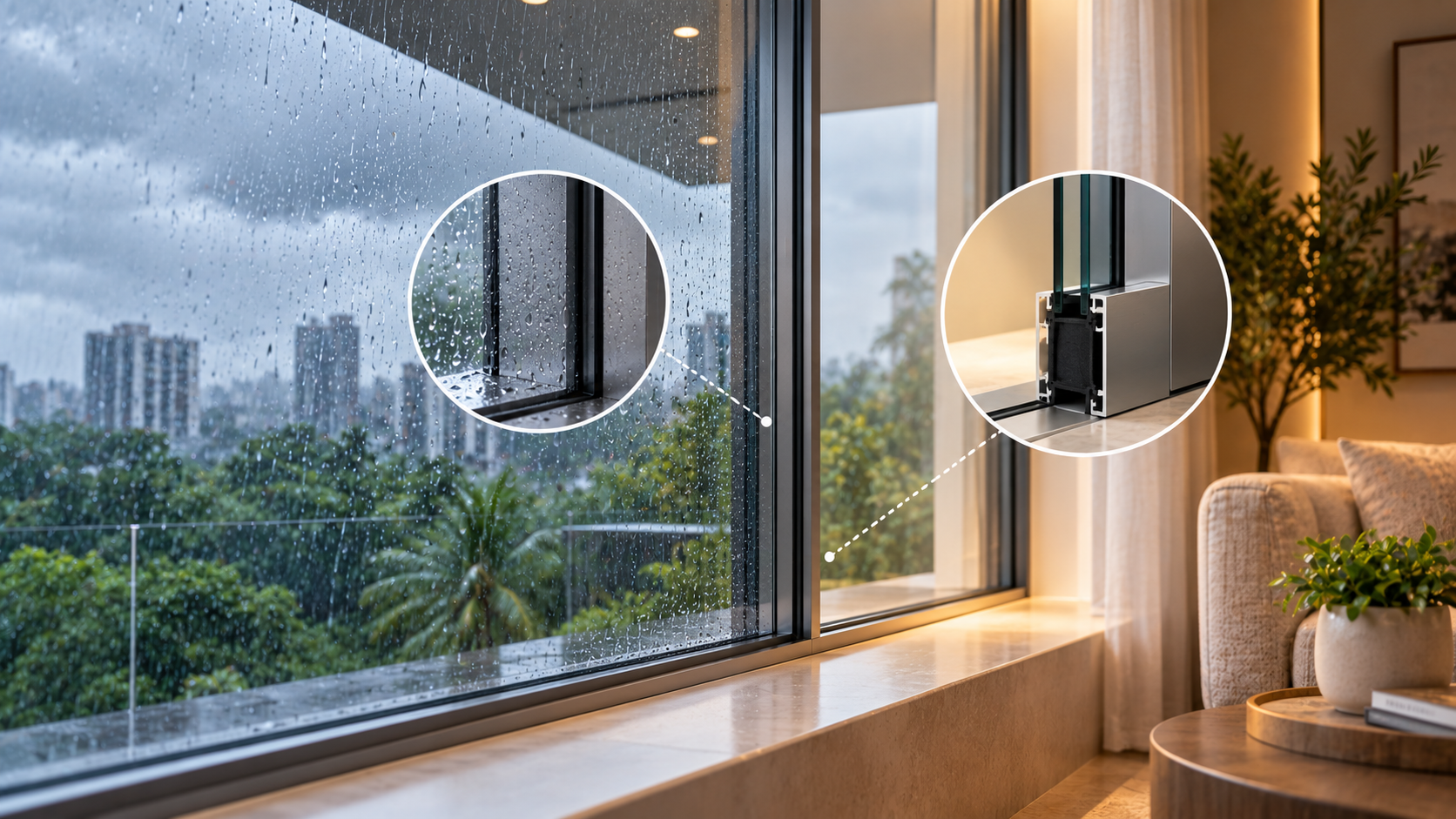
In the right installation, sealing is layered and intentional. Proper sealants, gaskets, and drainage paths are planned before the window is fixed in place.
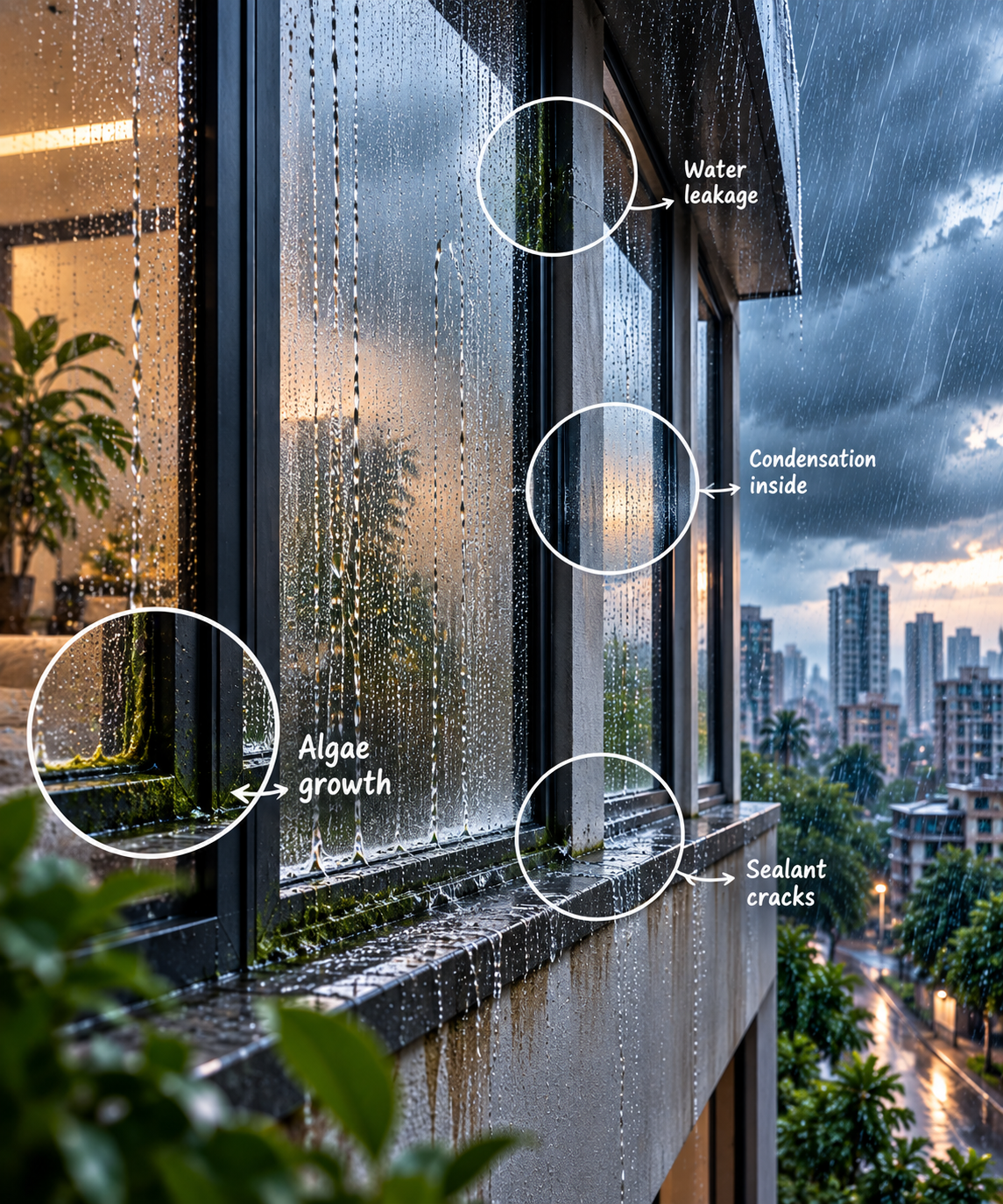
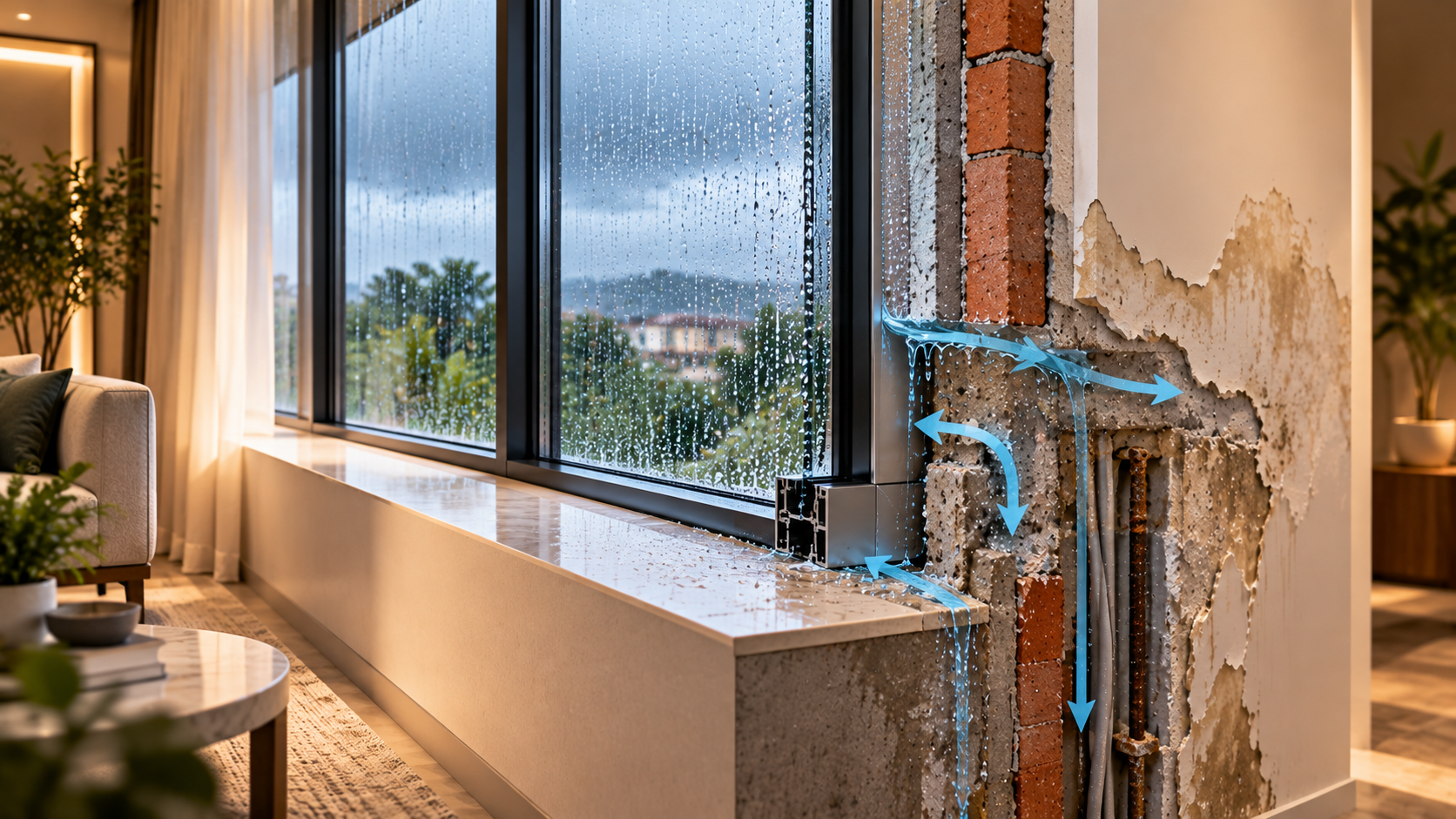
In the wrong approach, sealing becomes an afterthought. Gaps are filled hurriedly, and water resistance depends more on luck than design.
This is where systems from a reliable aluminium windows manufacturer can fail if site execution is not aligned with the system’s design.
Movement and Functionality
A correctly installed window moves without effort. Sliding systems glide smoothly. Hinged systems open and close without resistance.
In contrast, poor installation creates friction. Movement feels heavy, noisy, or inconsistent. Over time, this leads to wear in hardware and reduced lifespan.
Expert aluminium window makers understand that movement is not just about the product, but how it is installed on site.
Structural Integration
Right installation treats the window as part of the building structure. Load distribution, anchoring, and support are all considered.
Wrong installation treats it as an add-on. The frame is fixed without fully accounting for how it interacts with the surrounding wall or slab.
This difference becomes critical in larger openings, where coordination with experienced aluminium window suppliers ensures both safety and performance.
Detailing and Finish
In the right approach, detailing is clean and intentional. Edges align, finishes meet seamlessly, and the final look feels integrated.
In the wrong approach, finishing hides problems rather than solving them. Excess sealant, uneven gaps, and visible adjustments become part of the final output.
Even systems from top aluminum window manufacturers lose their visual impact when detailing is compromised.
Longevity and Performance
The true difference between right and wrong installation is revealed over time.
A well installed system remains consistent. It performs quietly, requires minimal maintenance, and continues to feel effortless.
A poorly installed one develops issues gradually. What starts as a small inconvenience becomes a recurring problem.
Final Thought
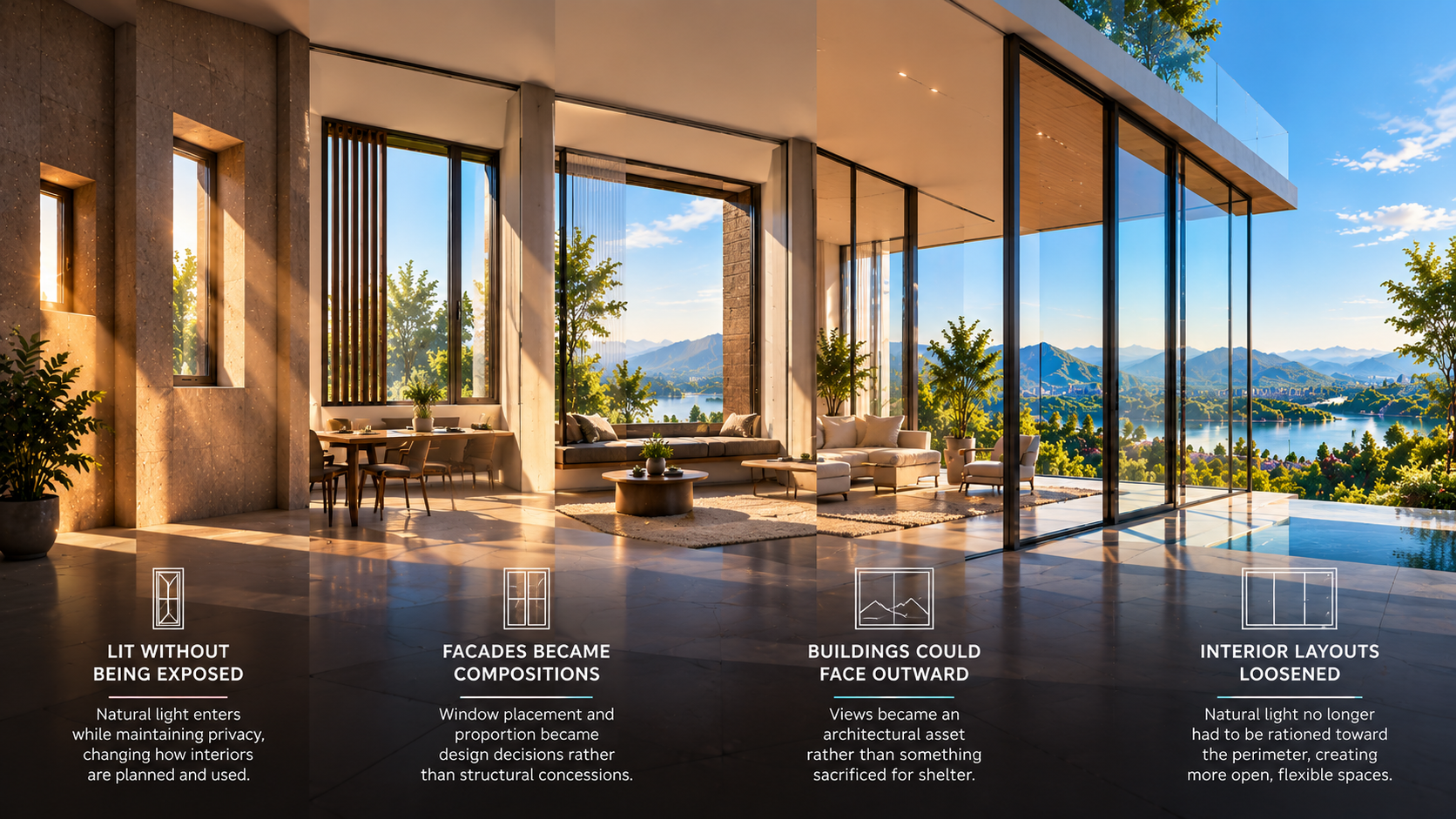
Aluminium windows are engineered for precision, durability, and performance. But their success depends on how well that engineering is executed on site.
The difference between right and wrong installation is not just technical. It defines the experience of living with the system every day.
Because in the end, a window is not judged by how it looks when installed, but by how it performs over time.