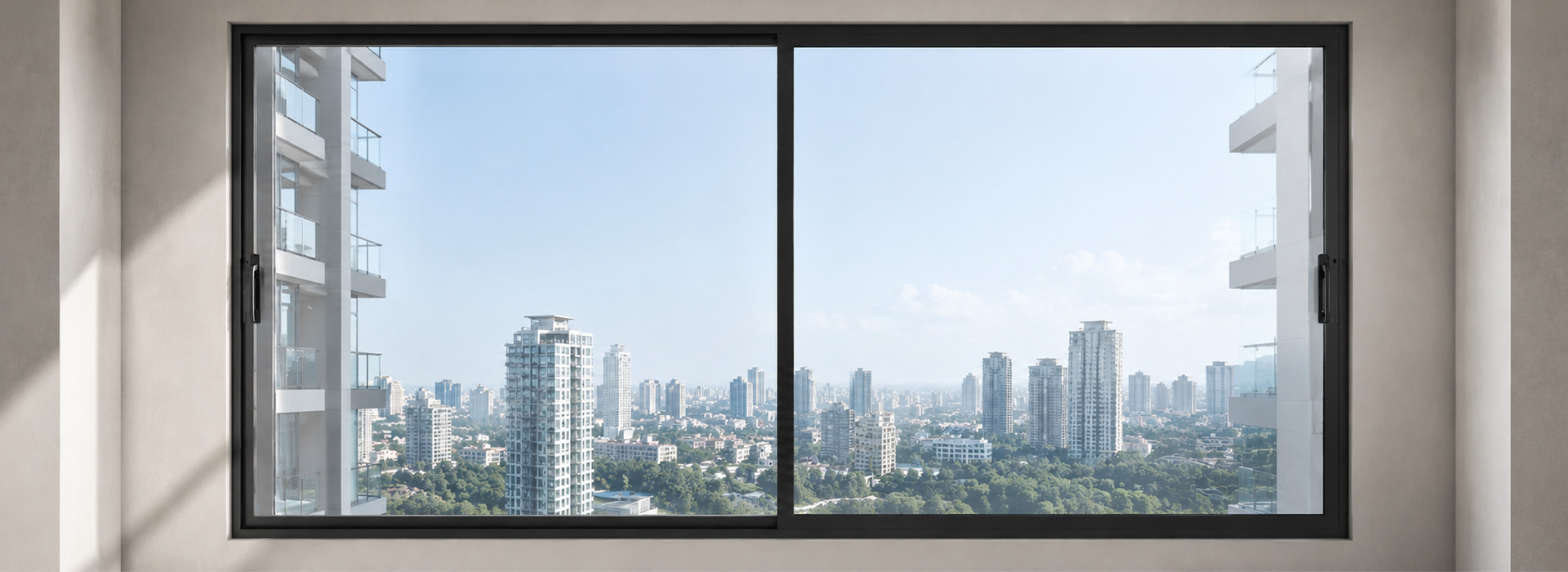
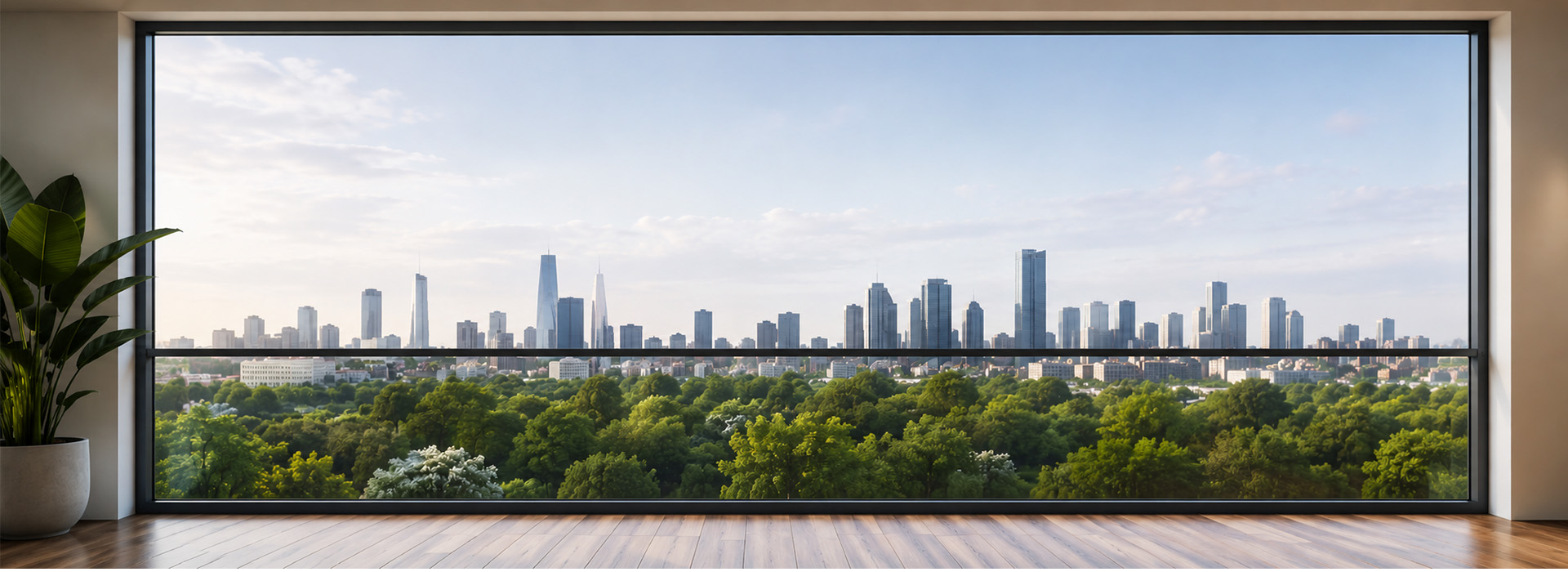
A window on the fourteenth floor of a residential tower experiences very different conditions from one installed in a ground-floor home. Wind loads are significantly higher, weather exposure is more intense, and the consequences of failure are far more serious.
Yet many high-rise projects still use the same selection criteria applied to low-rise homes. This often leads to performance issues that become evident during the first heavy monsoon or strong wind event.
Understanding how aluminium windows for high-rise apartments are engineered differently helps architects, developers, and homeowners make better long-term decisions.
Wind Load: The Most Important Design Factor
As building height increases, wind speeds become stronger and less obstructed. This creates greater pressure on the glass, stronger suction forces on the window shutters, and increased stress on the frame and its connection to the building.
High-rise aluminium windows are specifically engineered with stronger profile sections, reinforced hardware, and carefully tested structural designs to withstand these demanding conditions.
In coastal cities, where cyclonic winds can occur, these enhanced engineering standards become even more critical for long-term safety and reliability.
Superior Water Tightness Under Pressure
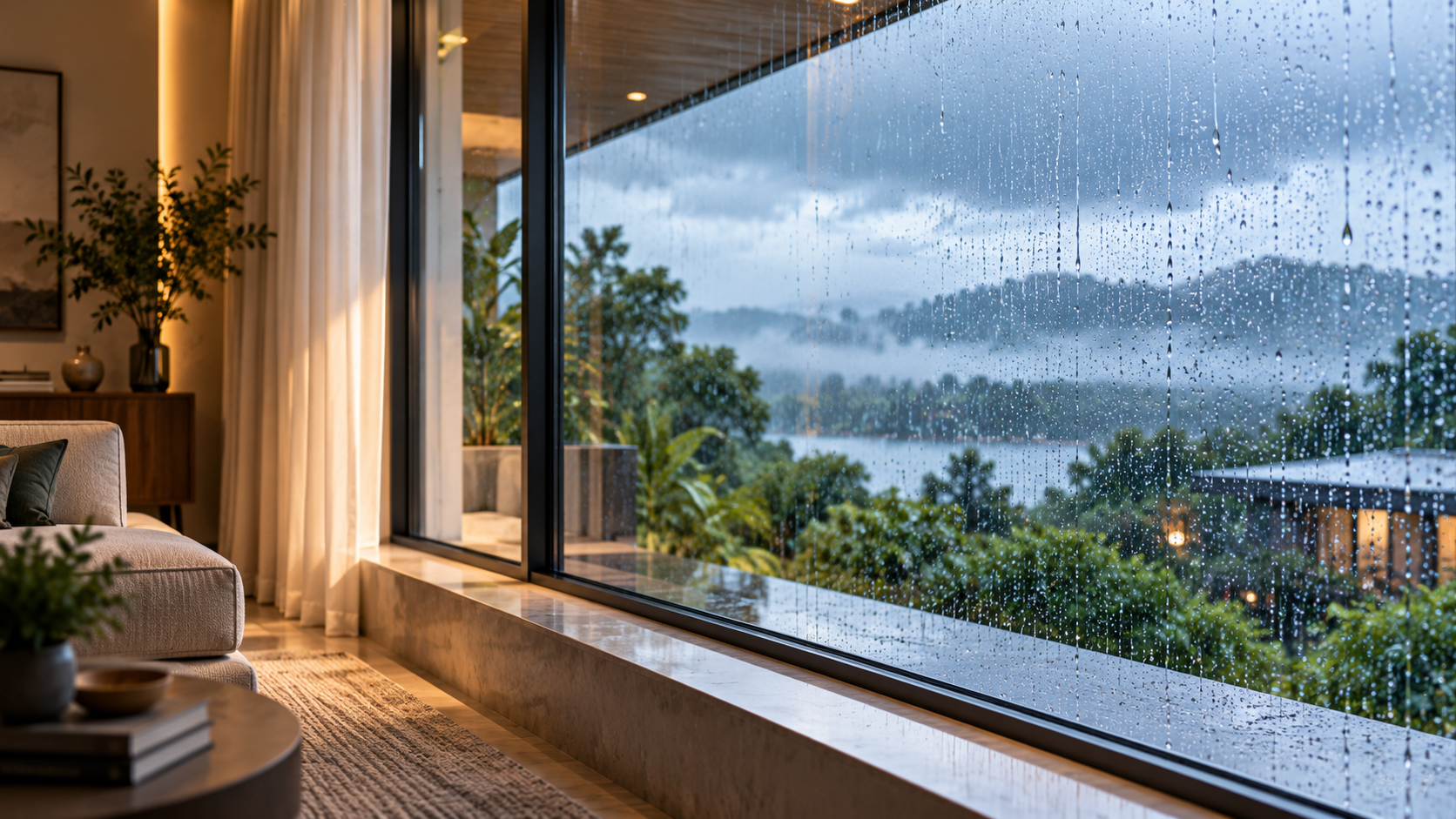
Rain behaves very differently at higher elevations. Strong winds drive rain horizontally against the window, creating much greater pressure than is experienced at ground level.
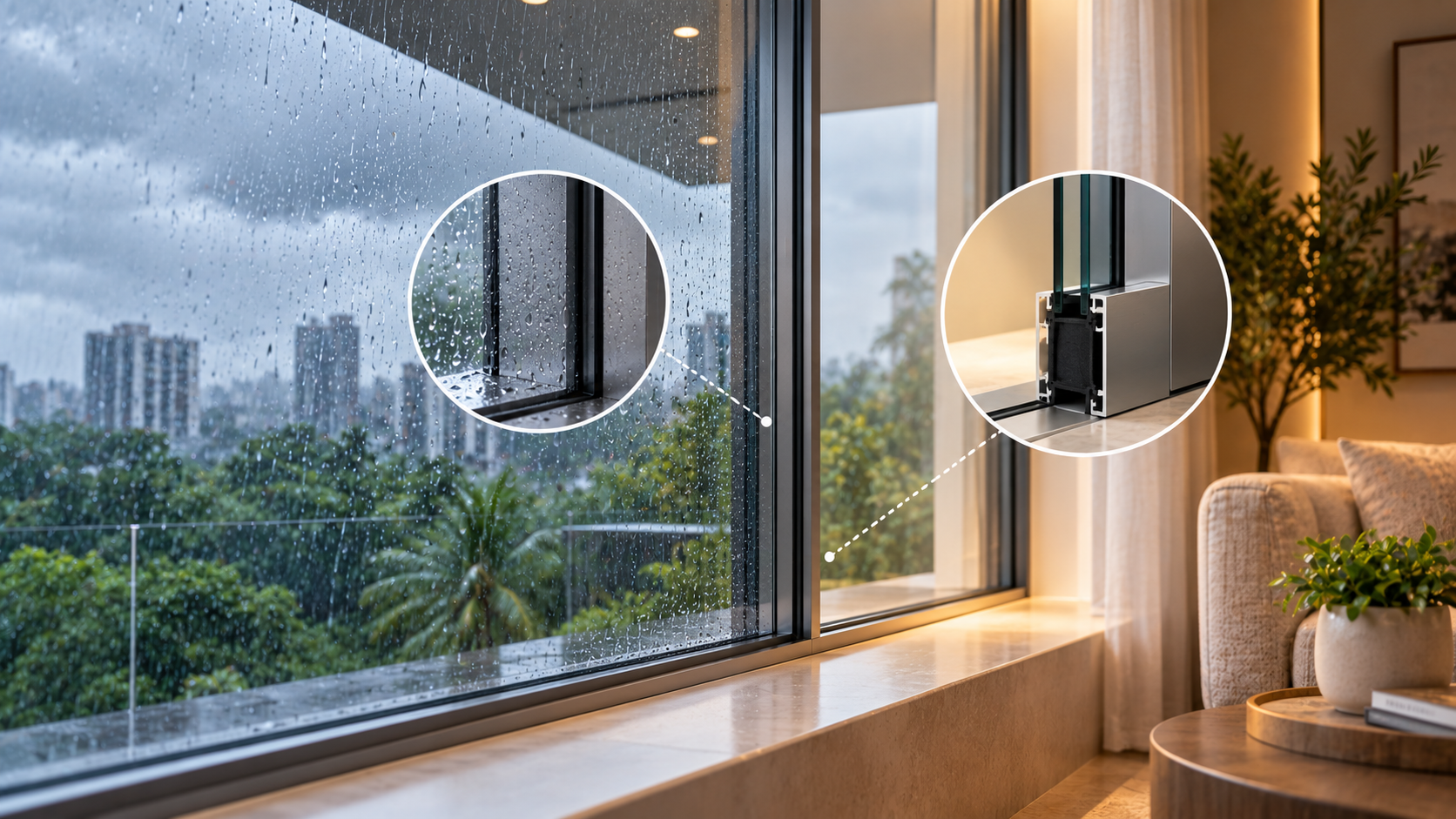
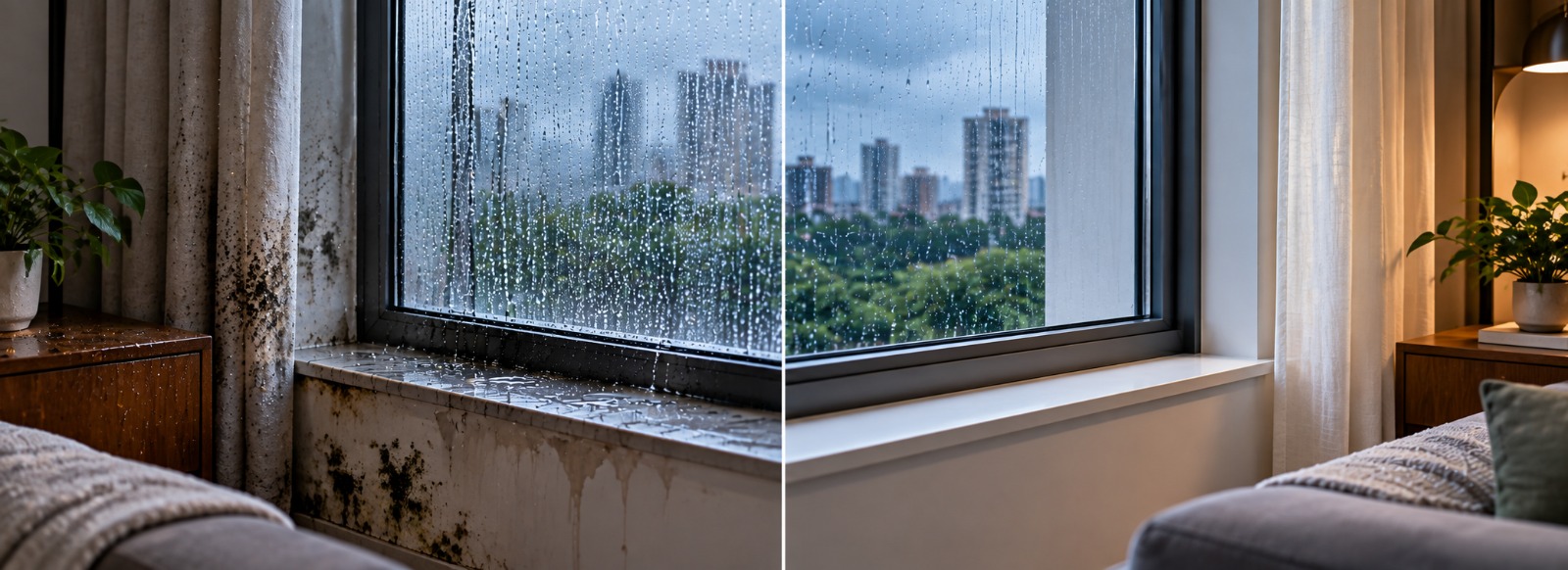
High-rise aluminium windows undergo laboratory testing for water infiltration under elevated wind pressures. Advanced sealing systems, premium EPDM gaskets, and integrated drainage channels work together to prevent water from entering even during severe weather.
These performance standards ensure reliable protection throughout the monsoon season.
Glass Designed for Height and Safety
Glass in high-rise buildings performs an important structural function. Larger openings and stronger wind pressures require glass that is specifically engineered for safety and durability.
Toughened safety glass is commonly specified because it breaks into small, less hazardous fragments if damaged. Laminated glass provides an additional level of protection by remaining bonded together even after breakage, reducing the risk of falling glass.
For large glazing panels, structural engineering calculations ensure the glass thickness matches the expected wind loads.
Acoustic Comfort in Urban High-Rise Living
Many high-rise apartments are located in busy urban environments where traffic, construction, and city noise remain constant.
High-performance aluminium windows combine airtight profiles, premium sealing systems, and double-glazed acoustic laminated glass to significantly reduce external noise, creating quieter and more comfortable living spaces.
For apartments overlooking major roads or commercial districts, acoustic performance should be considered a core specification rather than an optional upgrade.
Installation and Facade Integration
Installing windows at height requires far greater precision than standard residential installations. Structural anchoring, waterproofing, thermal movement, and facade integration must all be carefully coordinated.
Professional high-rise projects treat window installation as an integrated part of the building facade rather than an independent activity. Detailed engineering drawings, approved installation methods, and close coordination between structural consultants and window specialists ensure every system performs as intended.
Final Thought
High-rise aluminium windows are far more than standard residential windows installed at greater heights. They are specially engineered, rigorously tested, and precisely installed to withstand stronger winds, heavier rain, greater structural demands, and higher safety expectations.
For architects, developers, and homeowners investing in multi-storey buildings, choosing the right aluminium window system ensures long-term performance, safety, comfort, and confidence—no matter how challenging the weather becomes.