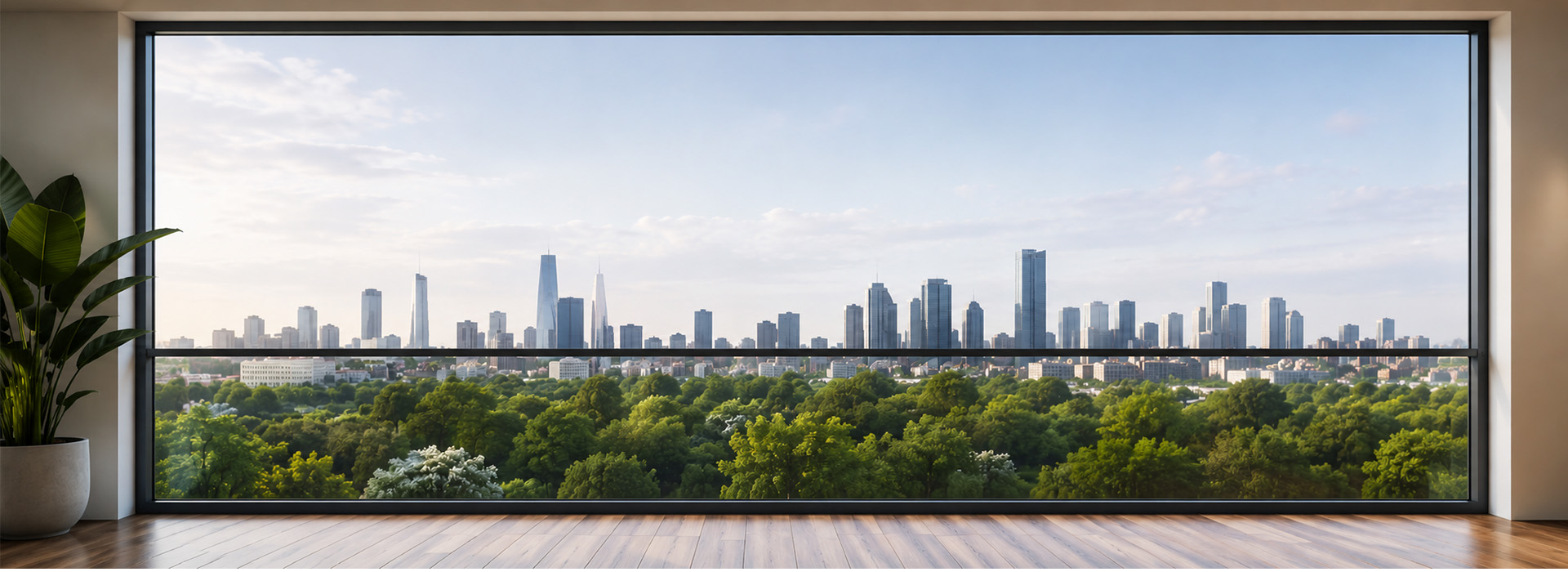
In the history of residential architecture, walls were once the primary symbols of security and seclusion. They were heavy, opaque, and structural. However, the advent of high-performance aluminium engineering has allowed for a radical reimagining of the home’s perimeter, an evolution driven by leading aluminium window companies and advanced aluminum window manufacturers. Floor-to-ceiling glazing has transitioned from a bold modernist experiment into the definitive standard for luxury living. But to view these soaring glass expanses as merely “large windows” is to miss their true architectural significance.
Integrating full-height glazing is a transformative design decision that fundamentally alters a home’s volume, its relationship with light, and the psychology of its inhabitants.
The Vertical Liberation of Volume
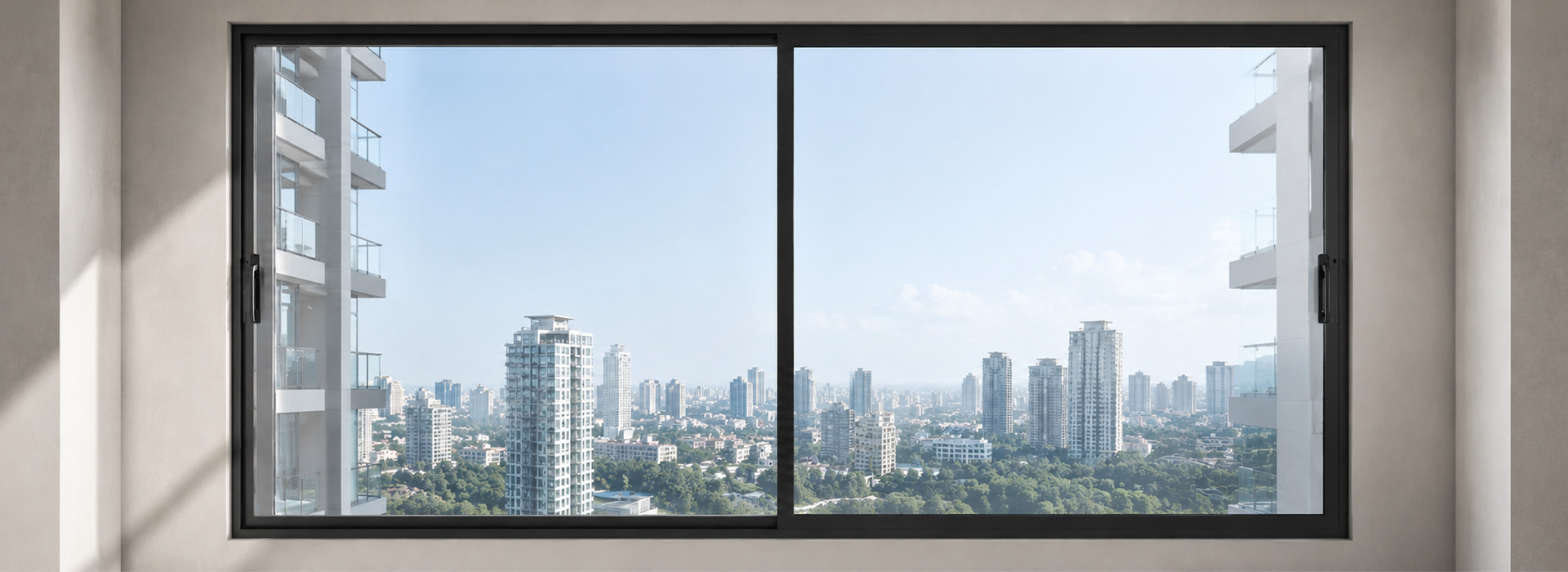
When a wall is replaced by a continuous pane of glass reaching from the finished floor to the structural ceiling, the perceived volume of a room changes instantly. The eye is no longer trapped by the horizontal lines of a windowsill or the vertical “stop” of a header. Instead, the sightline is pulled upward and outward.
This verticality creates a sense of “grandeur” that is difficult to achieve through square footage alone. A 400-square-foot room with floor-to-ceiling glazing feels significantly more expansive than a 600-square-foot room with standard apertures. In urban environments where space is at a premium, this “visual square footage” is the ultimate luxury, turning a compact penthouse into a soaring observatory.
The Choreography of Natural Light
Standard windows provide “patches” of light; floor-to-ceiling glazing provides a “wash.” This constant, unfiltered connection to the sky means that the interior atmosphere is perpetually in flux, mirroring the passage of the sun.
In modern design, light is treated as a building material in its own right. Full-height glass allows for “deep-plan” illumination, where natural light penetrates into the very core of the home, reducing the need for artificial lighting during the day. However, this level of transparency requires high-performance specifications. To maintain this “light-filled sanctuary” without the drawback of solar heat gain, these systems utilize spectrally selective coatings and thermal breaks, features perfected by premium aluminium windows manufacturer and trusted aluminium window suppliers, ensuring the home remains a temperate environment regardless of the sun’s intensity.
The “Borrowed Landscape” Philosophy
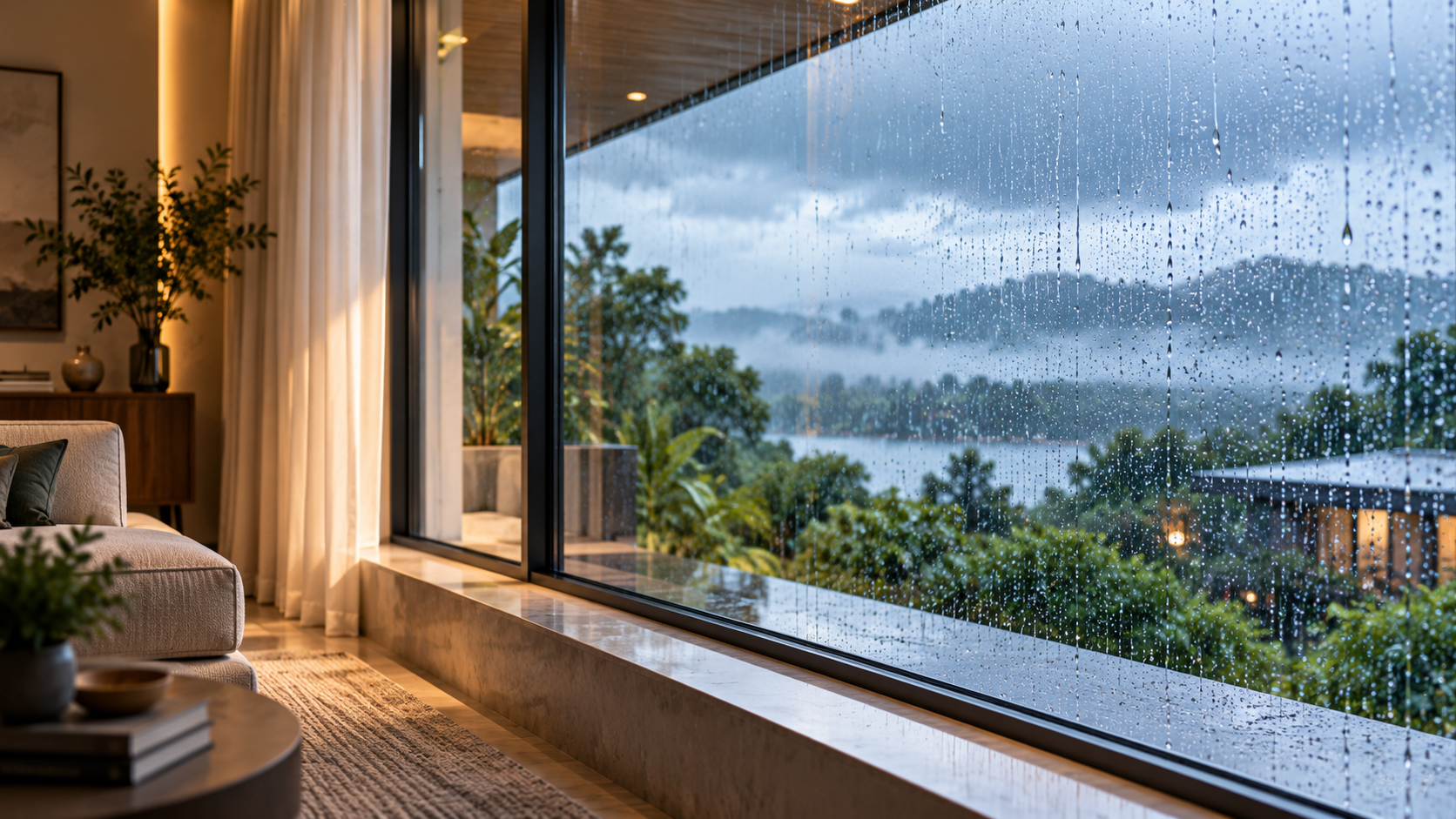
Architecturally, floor-to-ceiling glazing operates on the principle of the “borrowed landscape.” Whether it is a manicured garden, a rugged coastline, or a shimmering city skyline, the exterior environment becomes a permanent, living mural within the room.
This creates a “Biophilic” connection, a proven psychological benefit that reduces stress and increases focus by keeping the inhabitant tethered to the natural rhythms of the day. By choosing ultra-slim aluminium profiles, the “frame” effectively disappears, leaving only the view. The glass becomes a high-definition filter through which the world is experienced, turning the change of seasons into the primary aesthetic feature of the interior, an approach widely seen in modern aluminium windows and doors systems.
The Structural Disappearing Act
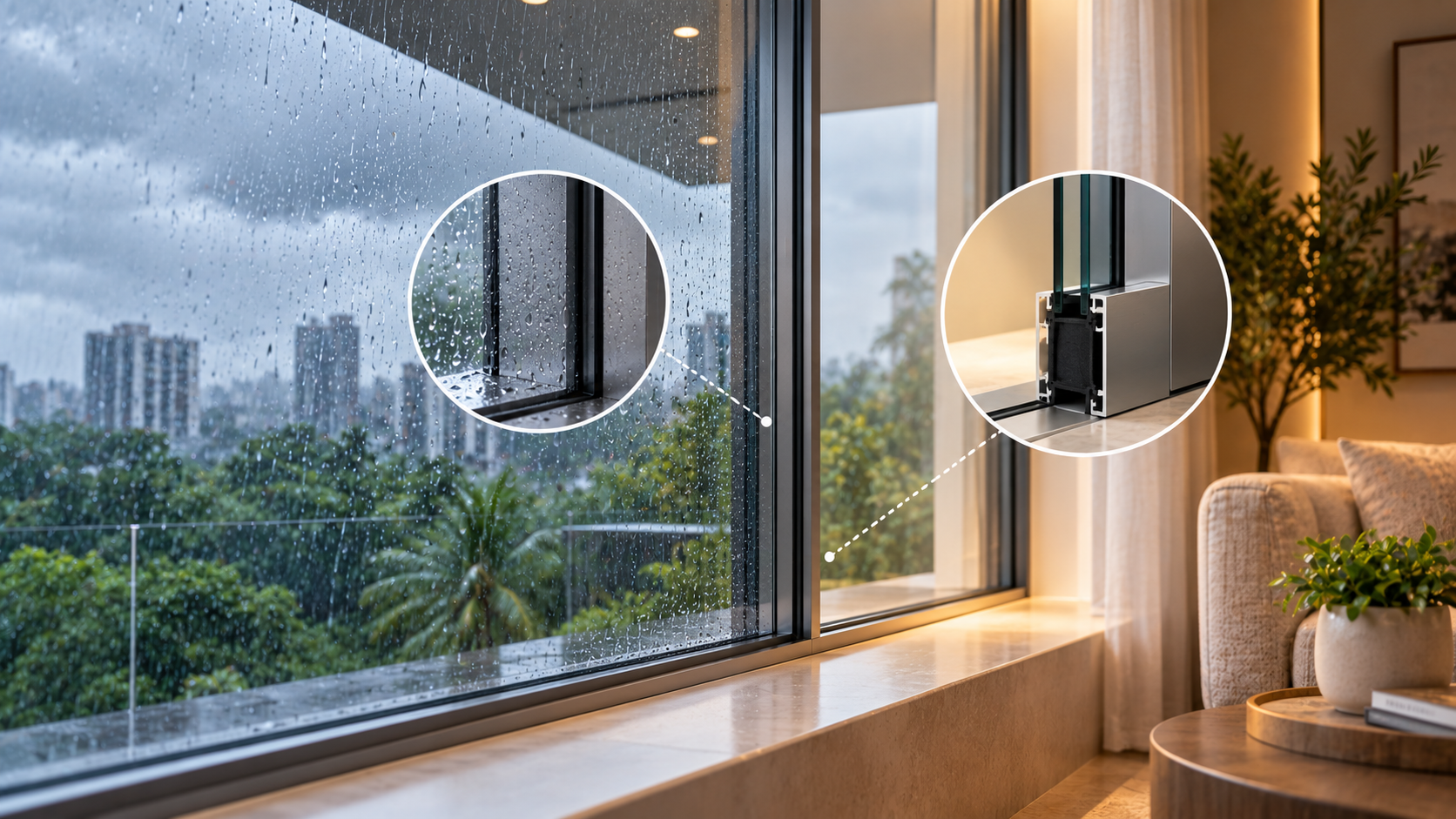
The engineering required to support floor-to-ceiling glass is a feat of “invisible strength.” Modern aluminium systems are designed to handle the immense wind loads and dead weight of oversized glass units while maintaining a minimalist footprint.
When executed correctly, with flush-recessed tracks that sit level with the floor, the transition between the interior and the balcony or terrace becomes non-existent. This “threshold-free” living is the pinnacle of contemporary villa design, allowing the home to breathe and expand as needed, often achieved through precision-engineered systems by reliable aluminium windows supplier and innovative aluminum window companies.
A New Dimension of Living
Ultimately, floor-to-ceiling glazing is a choice for transparency over enclosure. It is an acknowledgment that a home is not a bunker, but a vantage point. By prioritizing the vertical span of the view, designers are creating spaces that feel limitless, light-soaked, and profoundly connected to their surroundings. In the modern era, the most luxurious “wall” is the one you can see right through.