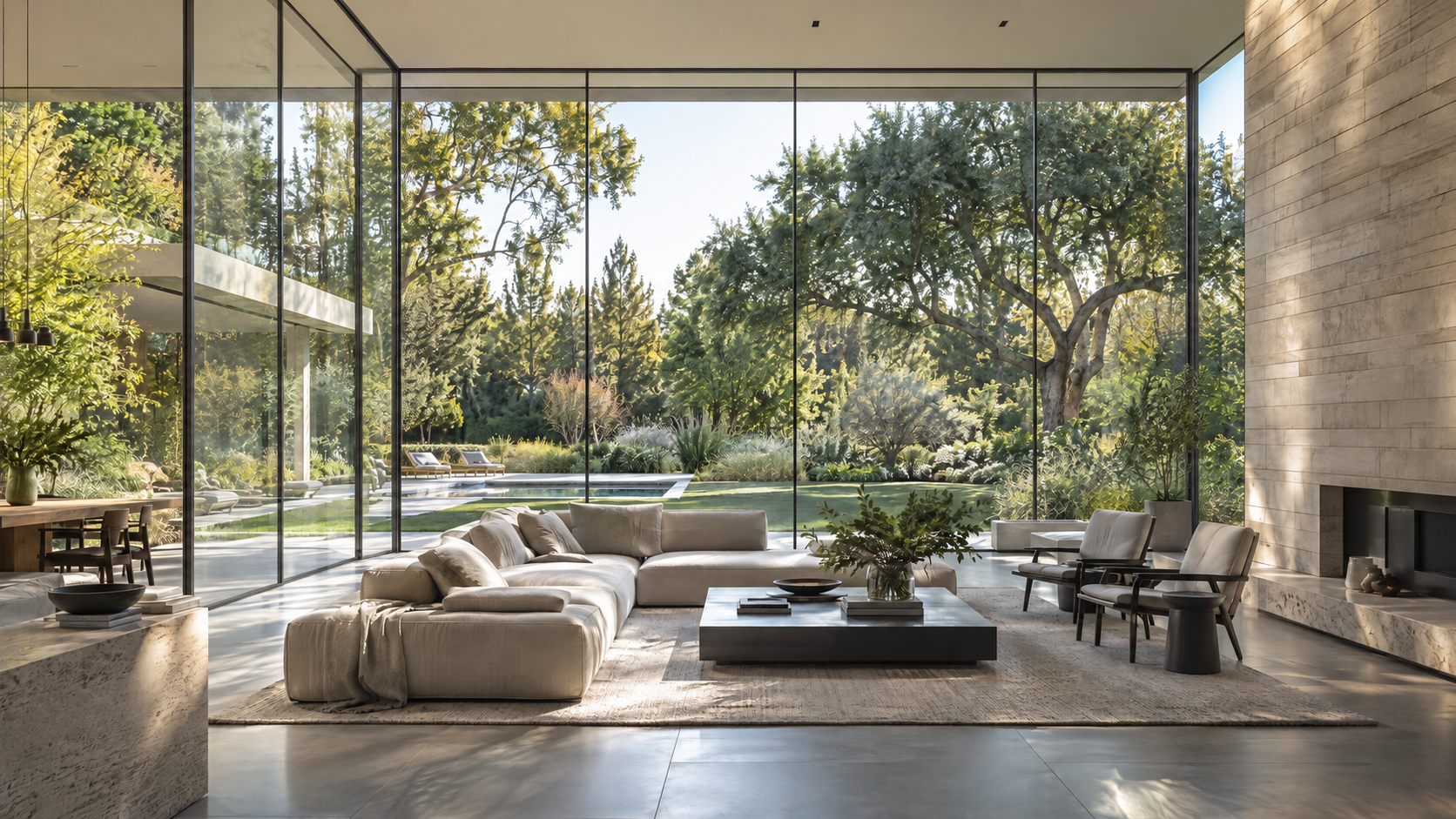
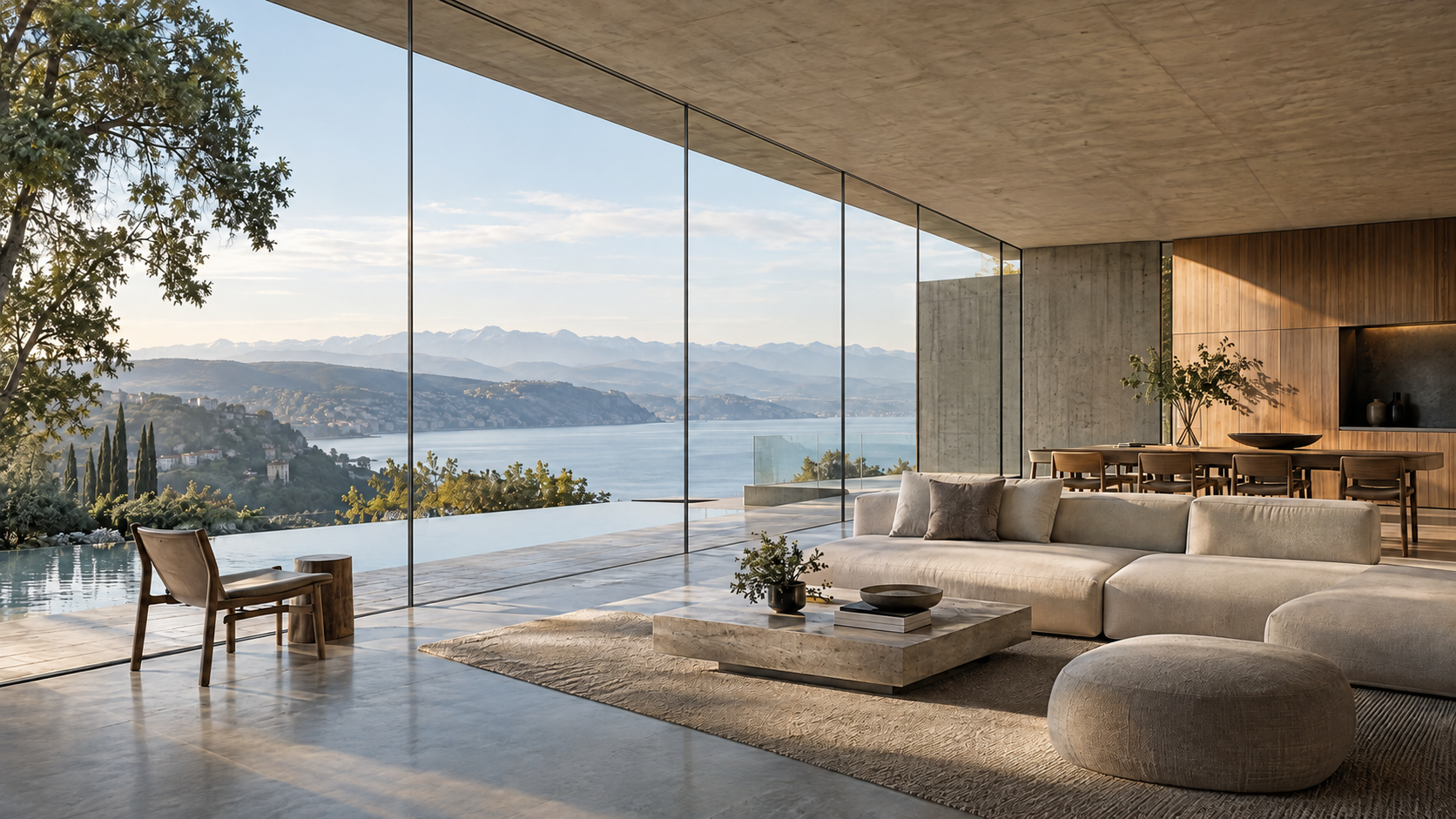
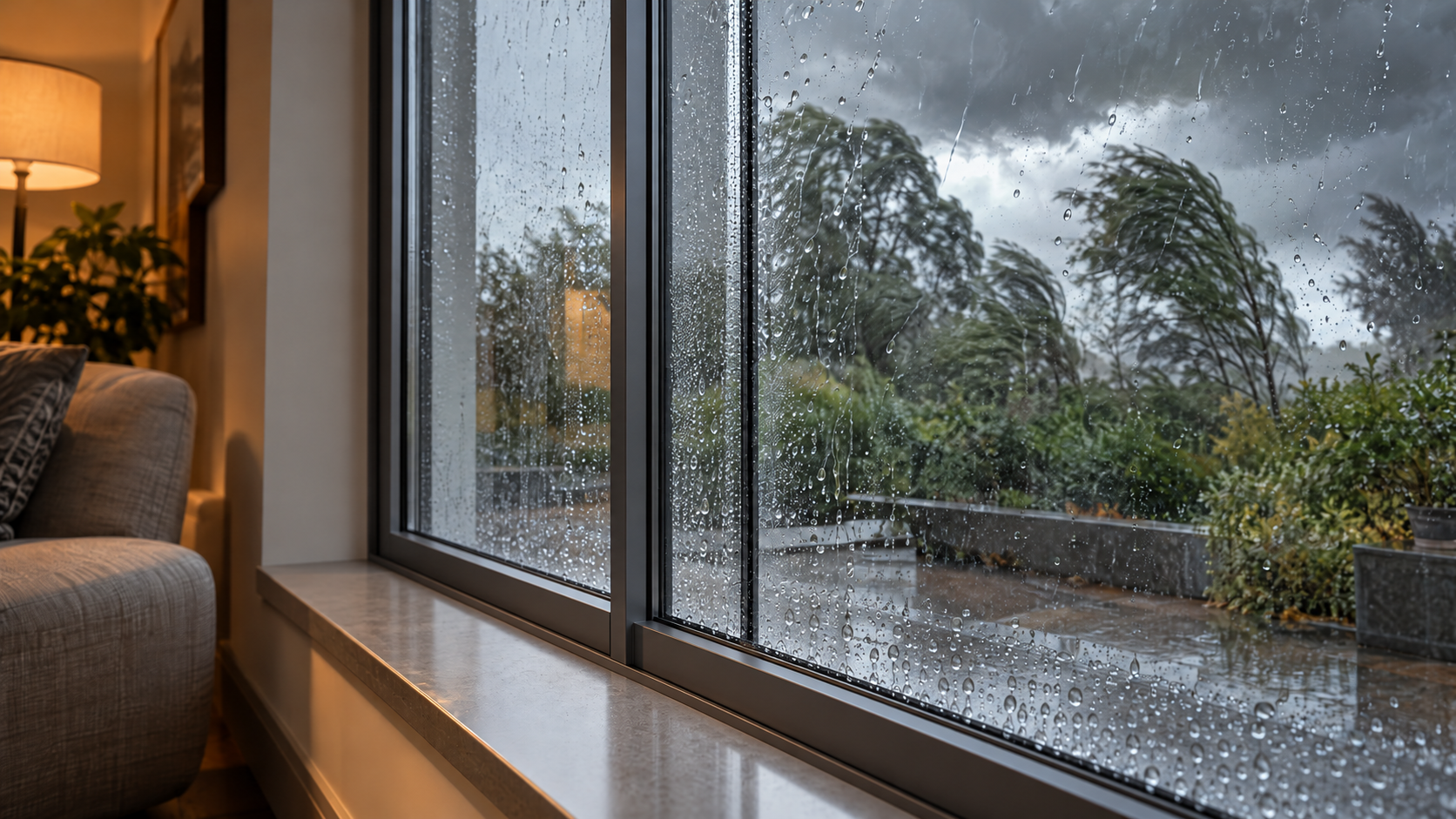
Modern homes increasingly use larger glazed openings to bring daylight deeper into living spaces and make gardens, balconies and city views part of the interior experience. Floor-to-ceiling windows are a visible expression of this shift, but their appeal is not only visual.
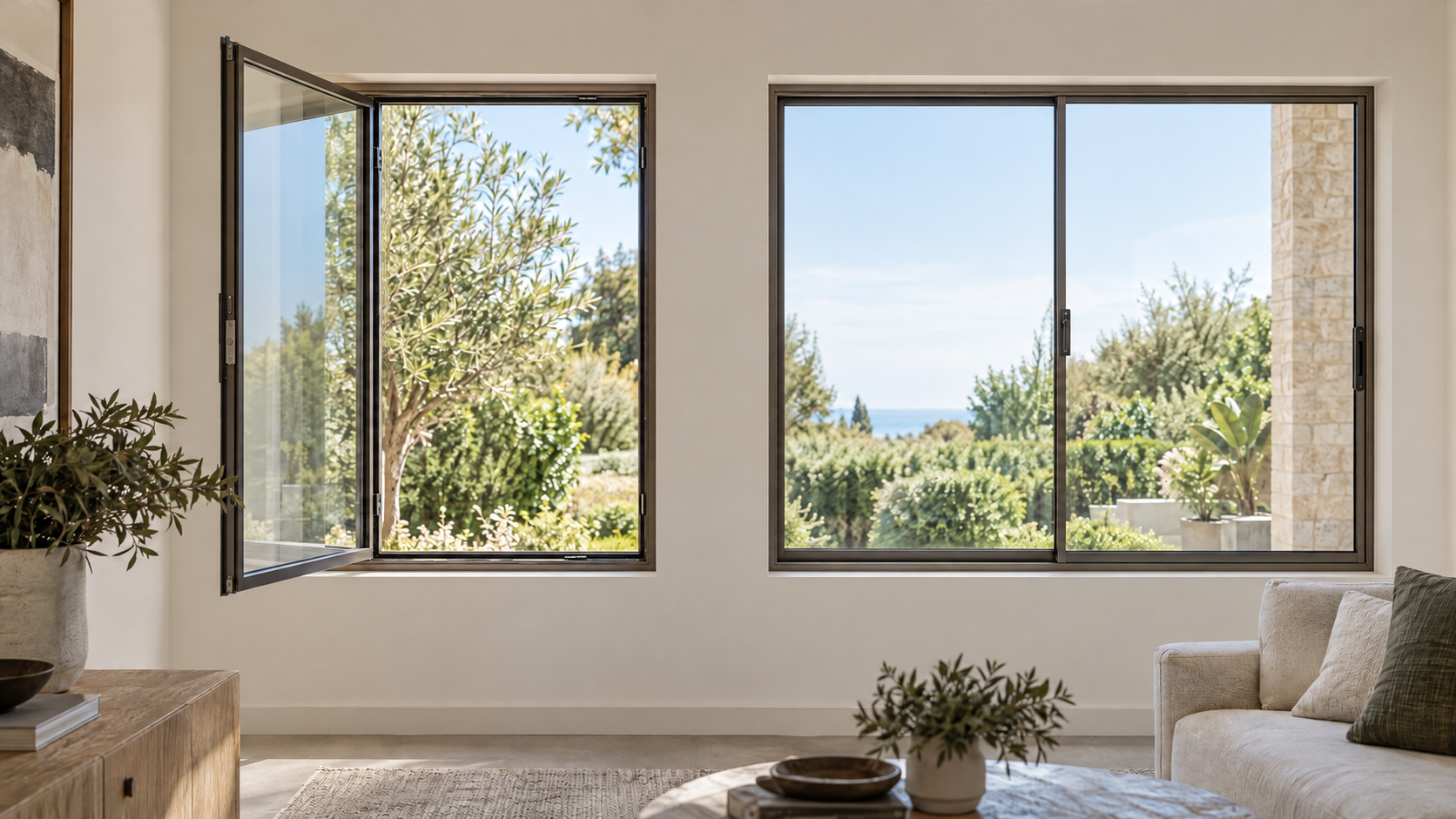
A large window changes how a room receives light, heat, sound and views. Beautex aluminium window systems are relevant to this design approach because aluminium profiles can support broad glazed openings while keeping the visible frame relatively slim.
Why Architects Are Choosing Larger Windows
Traditional residential windows were often limited by construction methods, glass manufacturing and the need for thick supporting walls. Modern structural systems and larger glass units have expanded what can be designed, allowing openings to become more prominent parts of a facade.
Larger windows can improve daylight distribution, strengthen the connection between indoor and outdoor spaces and make compact rooms feel more open. They can also create a clear architectural rhythm when repeated across a facade.
The Role of Slim Aluminium Profiles
The frame is an important part of the visual result. Thick sections can interrupt the view, while carefully designed slim profiles reduce the amount of visible framing around the glass. Aluminium is widely used in contemporary window design because it combines relatively low profile bulk with the strength needed to support glazing.
Beautex offers slimline aluminium window options designed around minimal visible framing and larger glass areas. The exact achievable dimensions depend on the selected system, glass build-up, wind loads, hardware and project engineering.
Large Glass Needs Careful Performance Planning
More glass means a larger area through which sunlight, heat and sound can pass. A floor-to-ceiling window on a strongly sun-exposed elevation may need solar-control glazing and external shading. Acoustic requirements may call for a different glass build-up, particularly in homes near busy roads or other noise sources.
Safety is another consideration. Glass type, thickness, edge support and location should be selected according to applicable standards and the risks associated with the opening. Large panes should never be specified on appearance alone.
Where Floor-to-Ceiling Windows Work Best
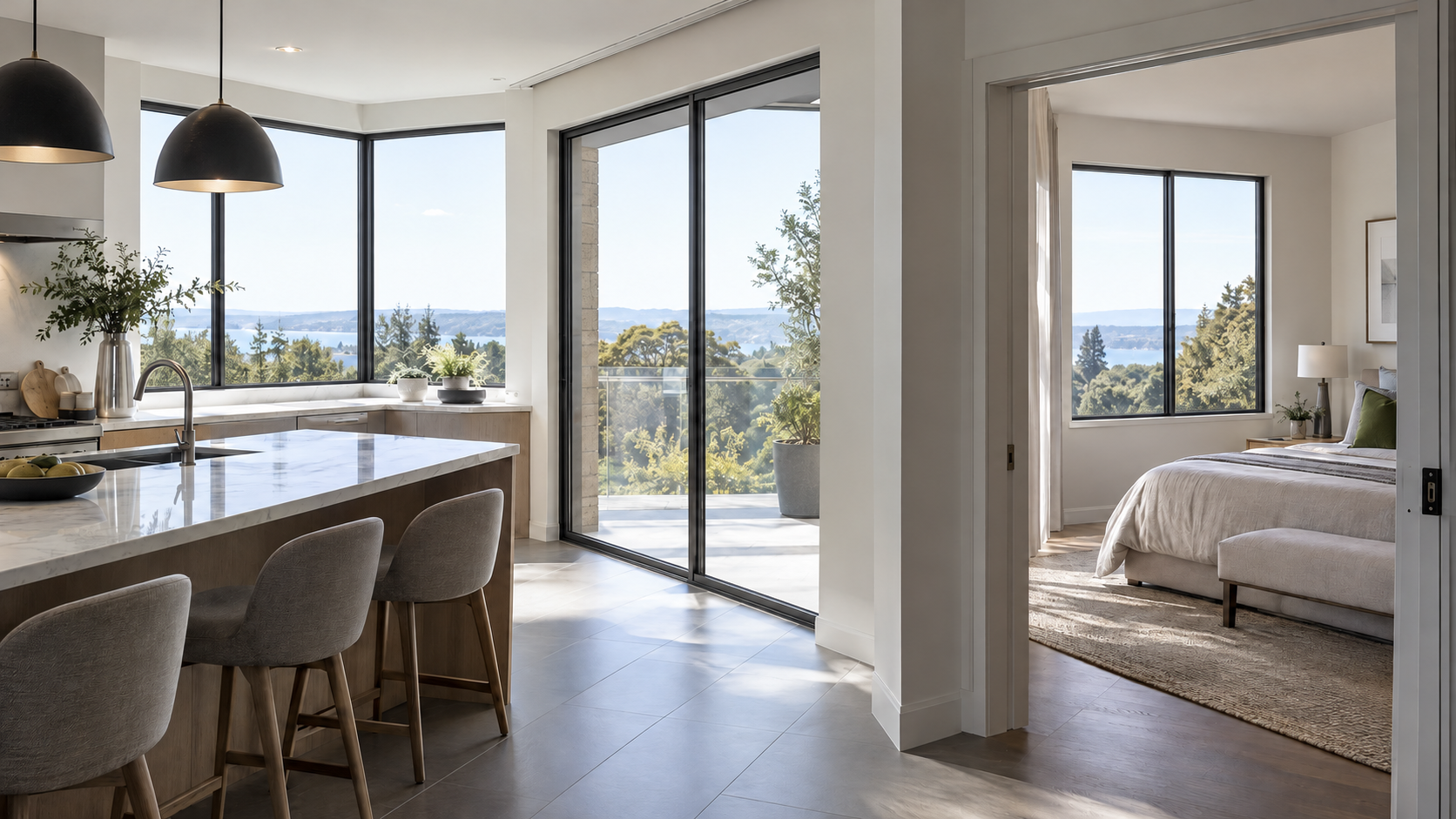
They are often used in living rooms, dining areas and bedrooms where the view is valuable and the layout allows suitable shading and privacy. In dense urban settings, the design may need curtains, blinds, screens or carefully positioned openings to prevent overlooking.
Before selecting a large aluminium window, review the elevation, structural opening, access for installation, cleaning requirements and ventilation strategy. Beautex can help homeowners and design professionals evaluate window configurations against the requirements of the project.
Final Thought
Floor-to-ceiling windows are not simply a trend towards more glass. They reflect a broader architectural preference for daylight, views and visual continuity. Their success depends on balancing those benefits with heat control, acoustic comfort, safety and maintenance.
A well-designed large window should feel effortless once installed. That outcome begins with the right aluminium window system, glass specification and project detailing.