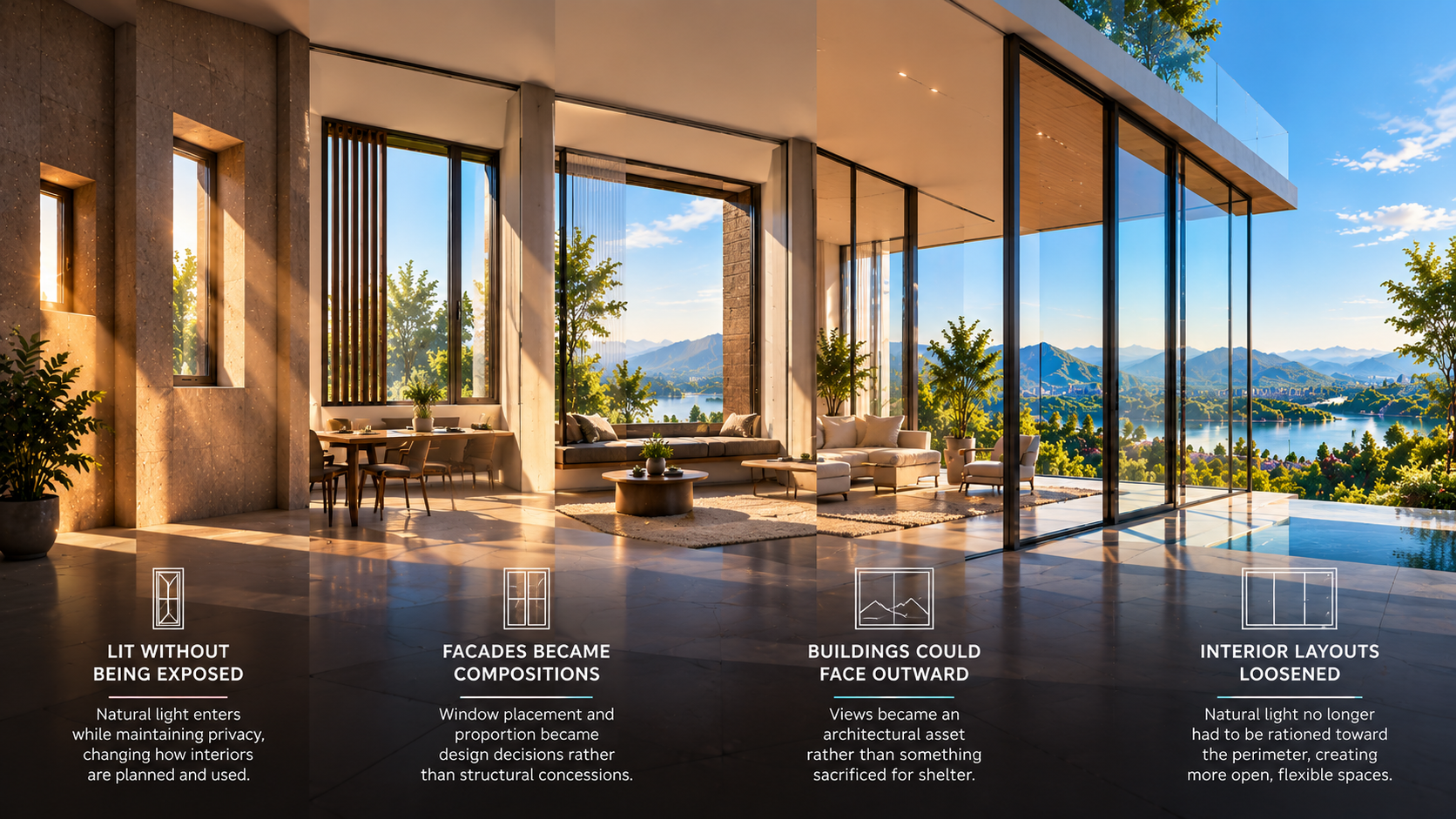
In modern architecture, sliding systems have evolved far beyond functionality. They now define how homes feel, how spaces connect, and how people experience light, movement, and openness every day.
At Beautex, the SL500 and SL600 systems are designed for two distinct approaches to luxury living. While both are high-performance aluminium windows and doors systems, each serves a different architectural purpose.
Understanding the difference between them helps homeowners and architects choose a system that aligns with both lifestyle and design intent.
SL500
Minimal Design Meets Everyday Performance
The SL500 is designed for homes that value clean aesthetics, refined detailing, and seamless everyday functionality.
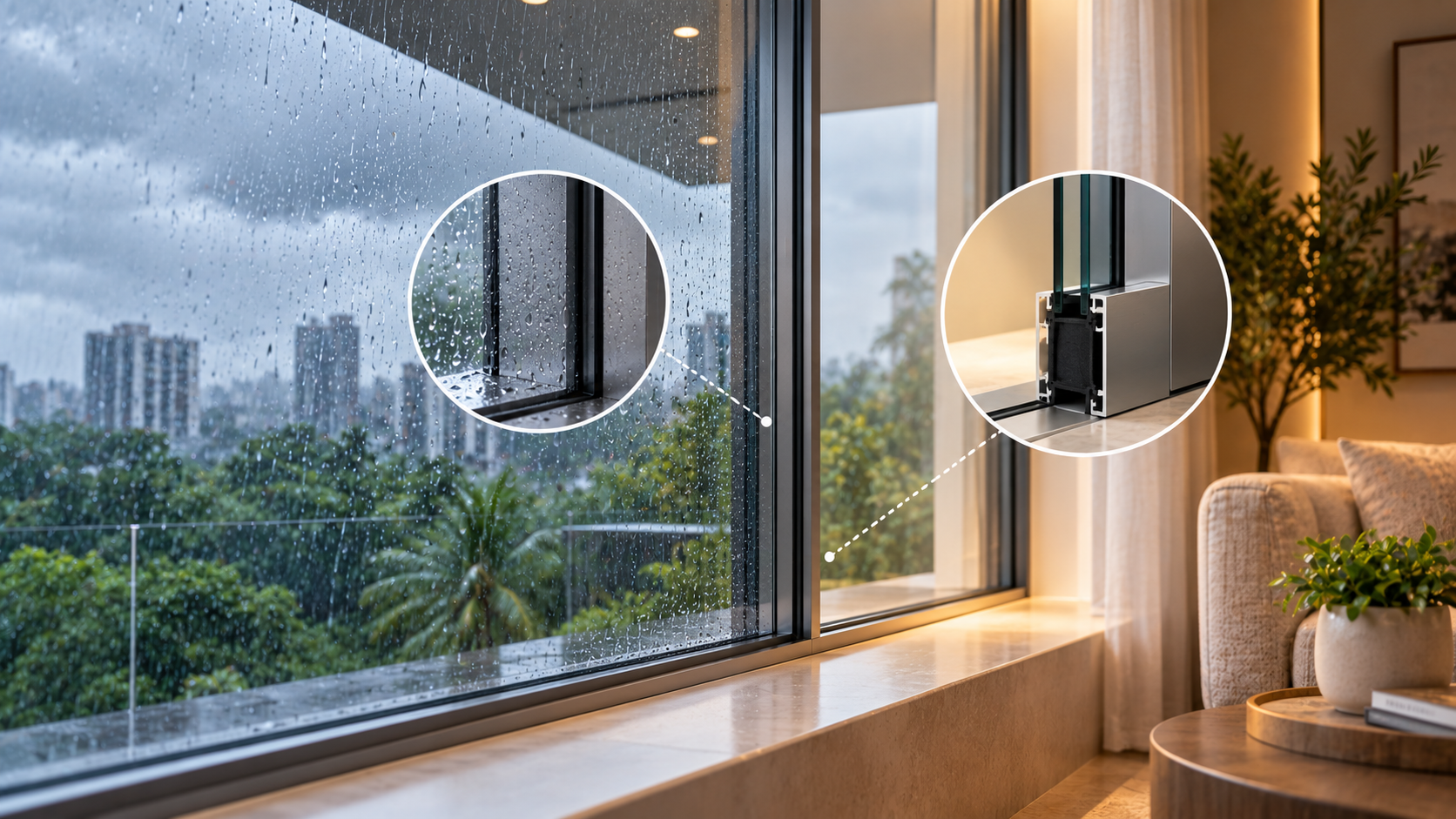
Built as an ultra-slim sliding system, the SL500 focuses on maximizing glass while minimizing visible frame. Features like slim interlocks, invisible frames, and integrated hydro drain systems create a clean, uninterrupted visual experience.
The result is a sliding system that feels light, modern, and architecturally balanced.
Beyond aesthetics, the SL500 is engineered for practical performance:
- Sound insulation
- Wind load resistance
- Water tightness
This makes it ideal for contemporary homes, apartments, balconies, and modern residential spaces where elegance and comfort are equally important.
At Beautex, the SL500 is often chosen for projects where homeowners want minimalist luxury without unnecessary complexity.
SL600
Intelligent Systems for Expansive Living
The SL600 is built for larger ambitions and more advanced living experiences.
Designed as a heavy-duty smart sliding system, it combines large-format performance with intelligent automation. Features such as automated lift technology, electric lifting operation, smart AI voice interaction, and multiple control options redefine how large openings function within a modern home.
The system also delivers:
- 180° panoramic views
- Smooth high-precision balancing
- Smart control integration
- Resistance to extreme wind and heavy rain conditions
Despite handling significantly larger and heavier glass panels, the SL600 is engineered to operate effortlessly.
Design Experience
While both systems support slim contemporary aesthetics, their visual impact differs.
The SL500 creates subtle elegance. Its ultra slim frame and refined detailing allow the architecture and the view to take center stage.
The SL600 creates a more dramatic architectural statement. Large automated openings and panoramic expanses transform walls into dynamic living elements that respond to movement, light, and environment.
For luxury villas and premium residences, this creates a stronger sense of openness and seamless indoor-outdoor living.
Choosing the Right System
The choice between SL500 and SL600 depends on the scale and purpose of the space.
The SL500 is ideal for:
- Modern apartments
- Bedrooms and balconies
- Compact luxury homes
- Minimalist architectural designs
The SL600 is best suited for:
- Luxury villas
- Large living room openings
- Smart homes
- Panoramic architectural spaces
- Technology-driven residential design
At Beautex, system selection is never based only on appearance. It is guided by performance, usage, architectural intent, and how the space is meant to be experienced every day.
Engineering Beyond Appearance
Both systems are built around precision engineering, durability, and long-term performance.
From premium hardware to advanced structural detailing, every component is selected to ensure smooth movement, weather resistance, and lasting reliability. This level of execution is what distinguishes experienced aluminium window suppliers and expert aluminium window makers from standard market solutions.
Final Thought
The SL500 and SL600 are not competing systems. They are designed for different ways of living.
One focuses on refined simplicity and minimalist performance. The other delivers intelligent automation and expansive luxury at scale.
Together, they reflect Beautex’s approach to modern fenestration, where design, engineering, and experience come together seamlessly.
Because in contemporary homes, windows are no longer just openings. They are part of how the architecture lives and breathes every day.