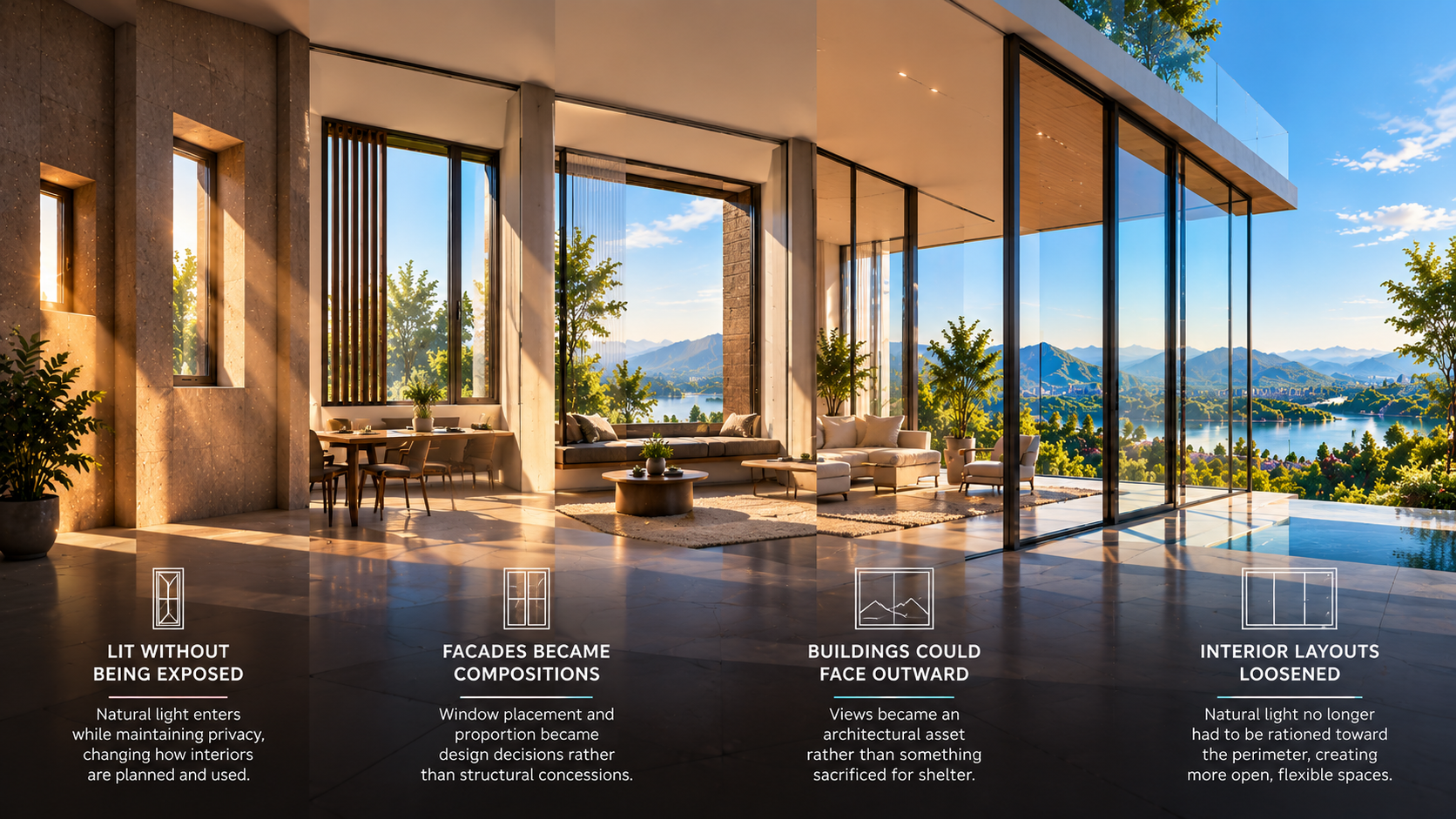
When it comes to selecting windows for a new home or renovation, two materials dominate the conversation: aluminium and uPVC. Both are widely used, both have their advocates, and both come with advantages that appeal to different priorities.
But the question most homeowners eventually ask is straightforward: Which one is actually better for my home?
The answer depends on what you value most. Here is an honest comparison.
1. Strength and Structural Capability
Aluminium is significantly stronger than uPVC. This makes a practical difference when it comes to larger openings, longer spans, and heavier glass specifications.
In modern homes where expansive windows and minimal sightlines are a priority, aluminium windows can achieve what uPVC simply cannot without additional reinforcement. The structural integrity of aluminium allows for slimmer frames, more glass area, and greater design ambition.
uPVC, while adequate for standard residential windows, begins to show limitations at scale.
2. Durability and Weather Resistance
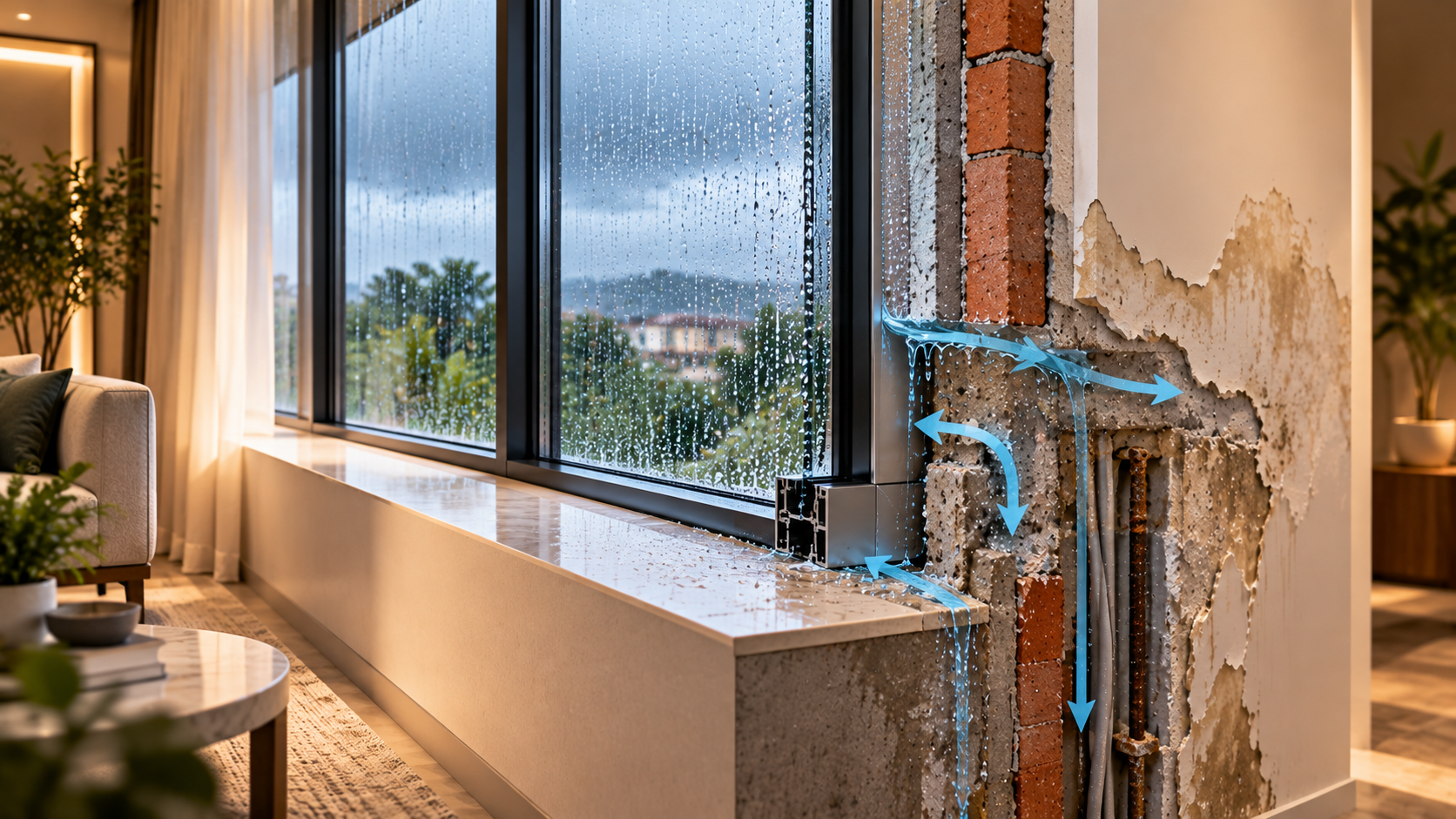
Both materials resist rust and do not require painting. However, they behave differently under prolonged environmental exposure.
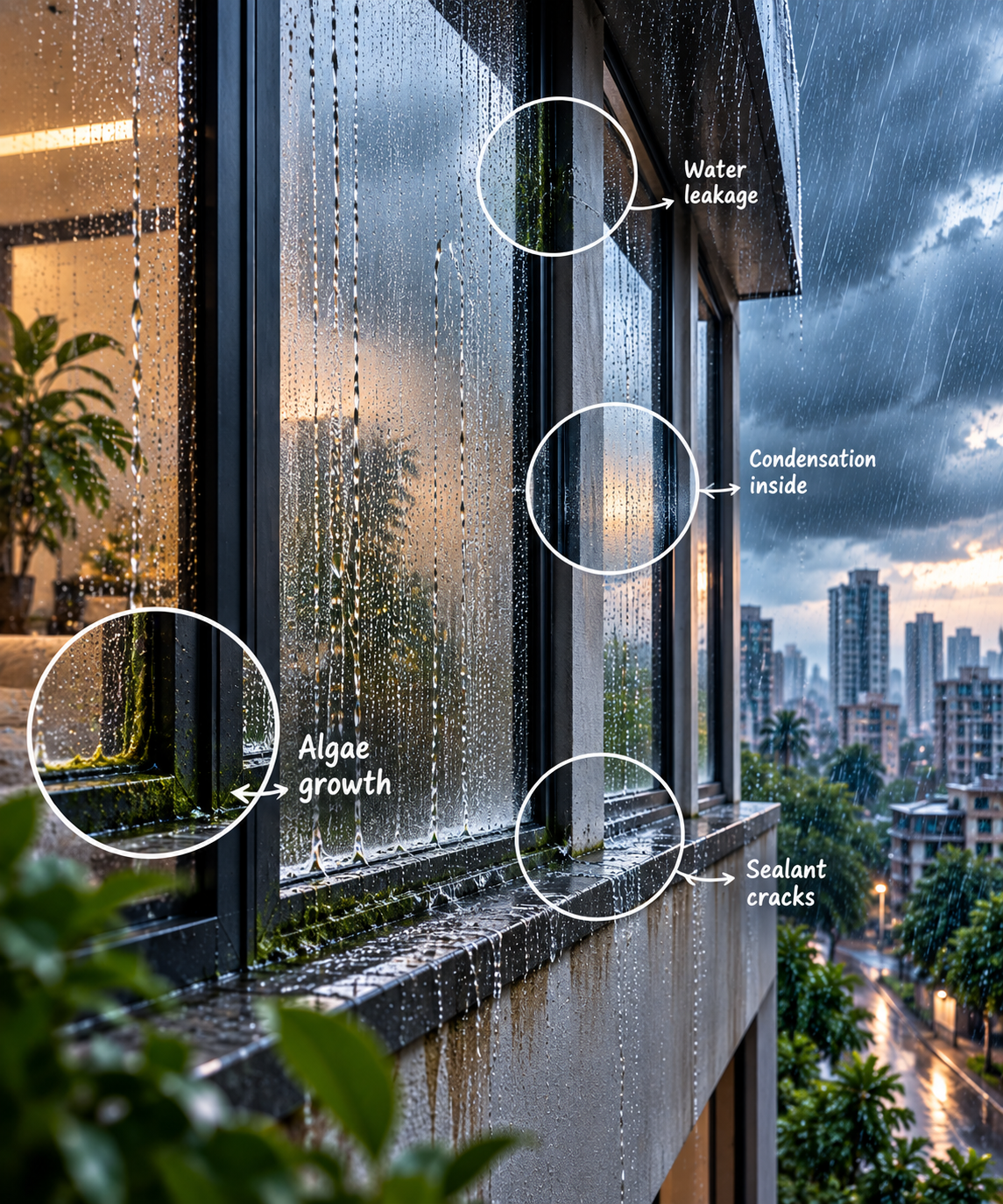
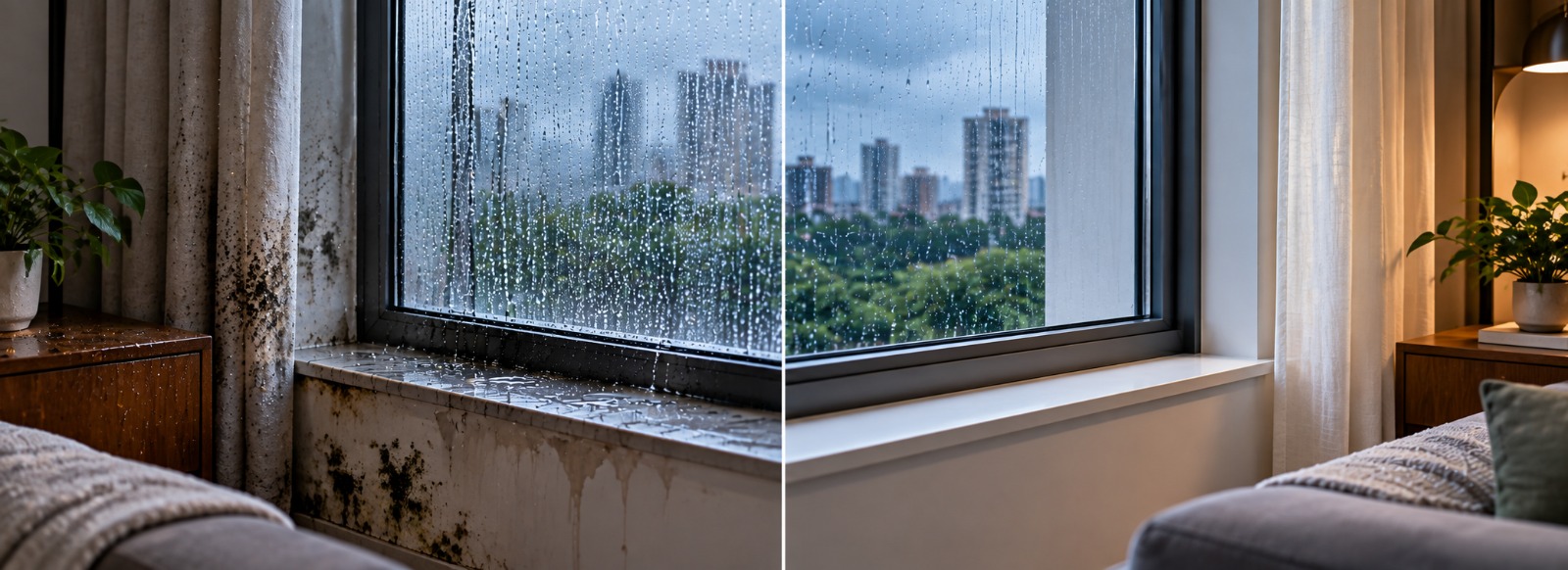
Aluminium maintains its shape and dimensions over time. It does not warp, swell, or shrink in response to temperature or moisture changes. In coastal environments or high-humidity regions, aluminium windows continue to perform consistently.
uPVC can discolour over time, particularly in areas with strong sunlight. It can also become brittle with age, especially in extreme temperatures. While modern uPVC formulations have improved, aluminium still holds a clear advantage in long-term dimensional stability.
3. Design and Aesthetics
Aluminium windows offer a level of design flexibility that is difficult to match. Slim profiles, clean sightlines, and a wide range of finishes, from powder-coated colours to anodised surfaces and wood-effect laminates, make aluminium the preferred choice among architects and designers.
uPVC profiles are inherently bulkier. The material does not lend itself to the same refinement of form, and the finish options, while improving, are more limited. For homes where visual precision matters, this is a meaningful difference.
Aluminium windows and doors also integrate more naturally into a unified design system across a home, which is harder to achieve with uPVC.
4. Thermal Performance
This is where uPVC has traditionally held an advantage. The material itself is a poor conductor of heat, which means basic uPVC windows offer reasonable thermal insulation without additional engineering.
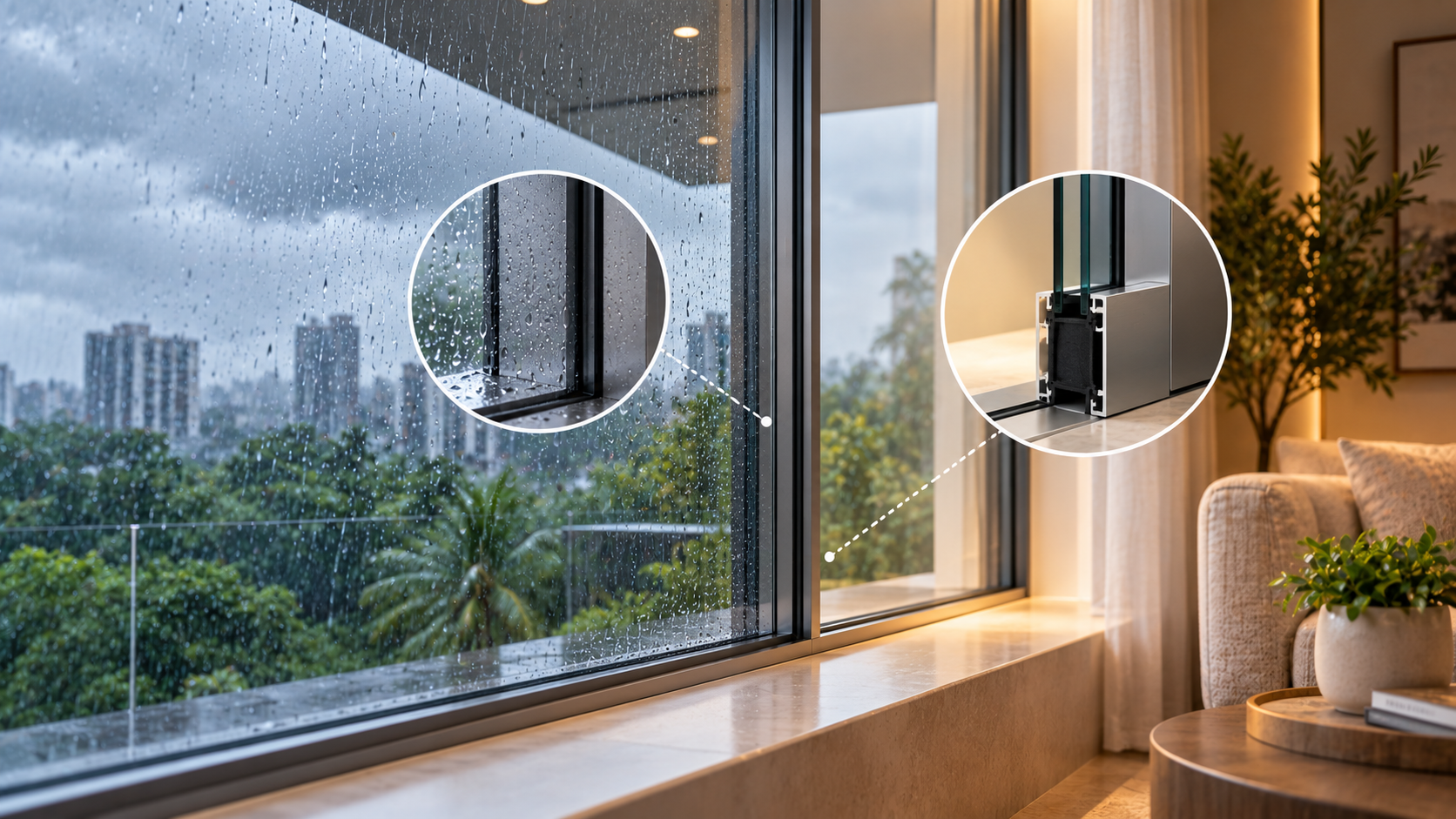
Aluminium, as a metal, conducts heat. However, modern aluminium window systems address this through thermal break technology, a barrier of insulating material built into the profile. With the right specification, aluminium windows can match or exceed uPVC in thermal performance.
The important distinction is that thermal performance in aluminium is a function of specification. When planned correctly, it is not a limitation.
5. Maintenance Over Time
Both materials are relatively low maintenance compared to wood. Neither requires painting or regular sealing.
However, uPVC profiles can yellow or chalk over time, particularly in high UV environments. Cleaning can restore appearance temporarily, but the long-term visual consistency of uPVC does not match aluminium.
Aluminium windows retain their finish and structural stability over decades. The maintenance requirements remain minimal throughout the lifespan of the system.
6. Cost Considerations
uPVC is generally less expensive upfront. For budget-sensitive projects with standard window sizes, it can be a practical choice.
Aluminium windows typically come at a higher initial cost. But when evaluated over the lifespan of the home, factoring in durability, reduced maintenance, and design longevity, the value equation shifts significantly in aluminium’s favour.
For homes where quality and longevity are the goal, the cost difference is a considered investment rather than an added expense.
7. Environmental Impact
Aluminium is one of the most recyclable materials in construction. It can be recycled repeatedly without loss of quality, and its long lifespan means fewer replacements over time.
uPVC is more difficult to recycle and raises concerns around environmental impact at the end of its life cycle.
For homeowners thinking about sustainability, aluminium windows represent the more responsible long-term choice.
Final Thought
Both aluminium and uPVC have a role in the market, and both can work depending on the project.
But for homes where design quality, structural performance, longevity, and visual refinement are the priority, aluminium windows consistently come out ahead.
The better question may not be which is cheaper today, but which will continue to serve the home well for the next twenty years.