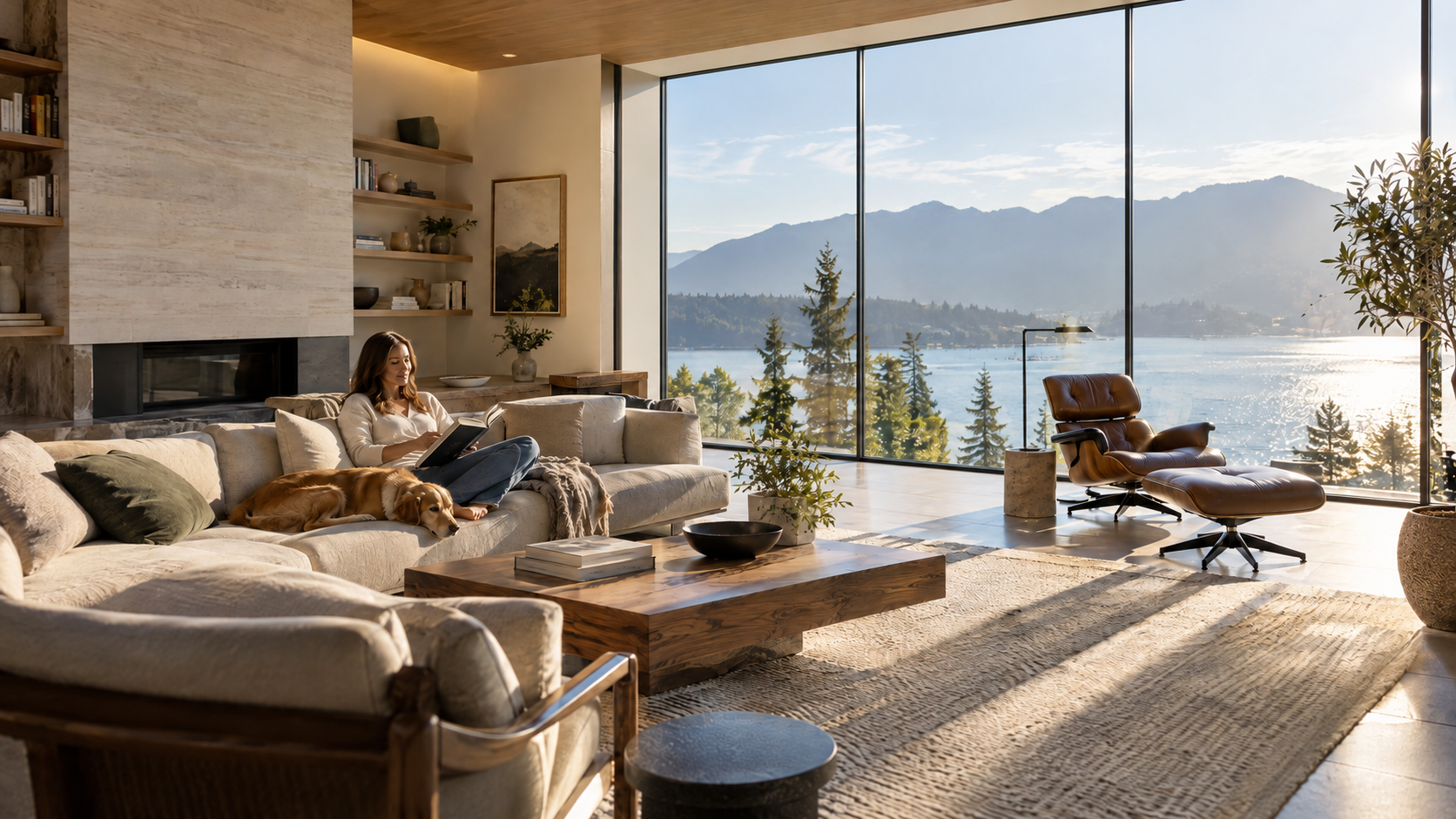
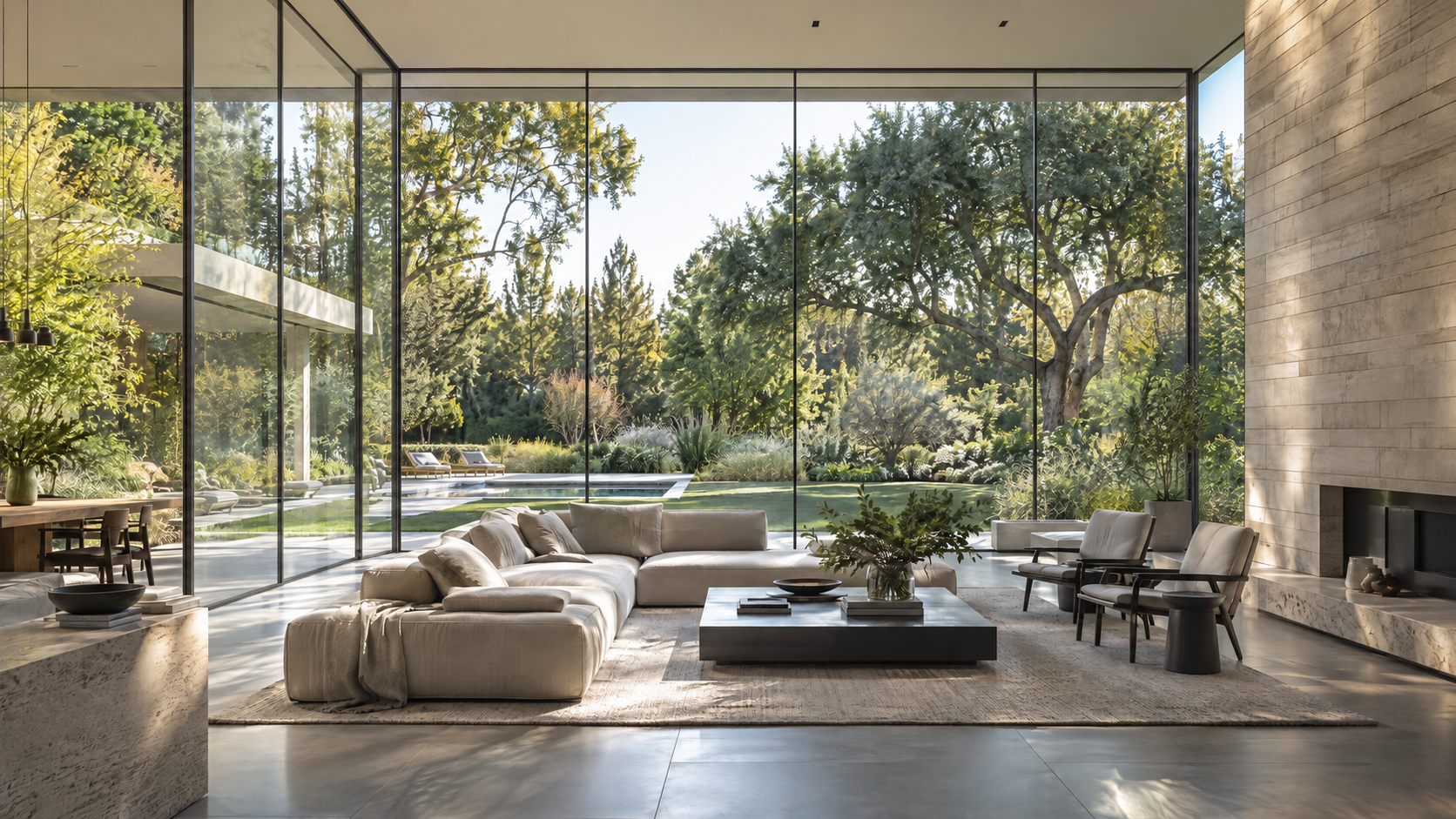
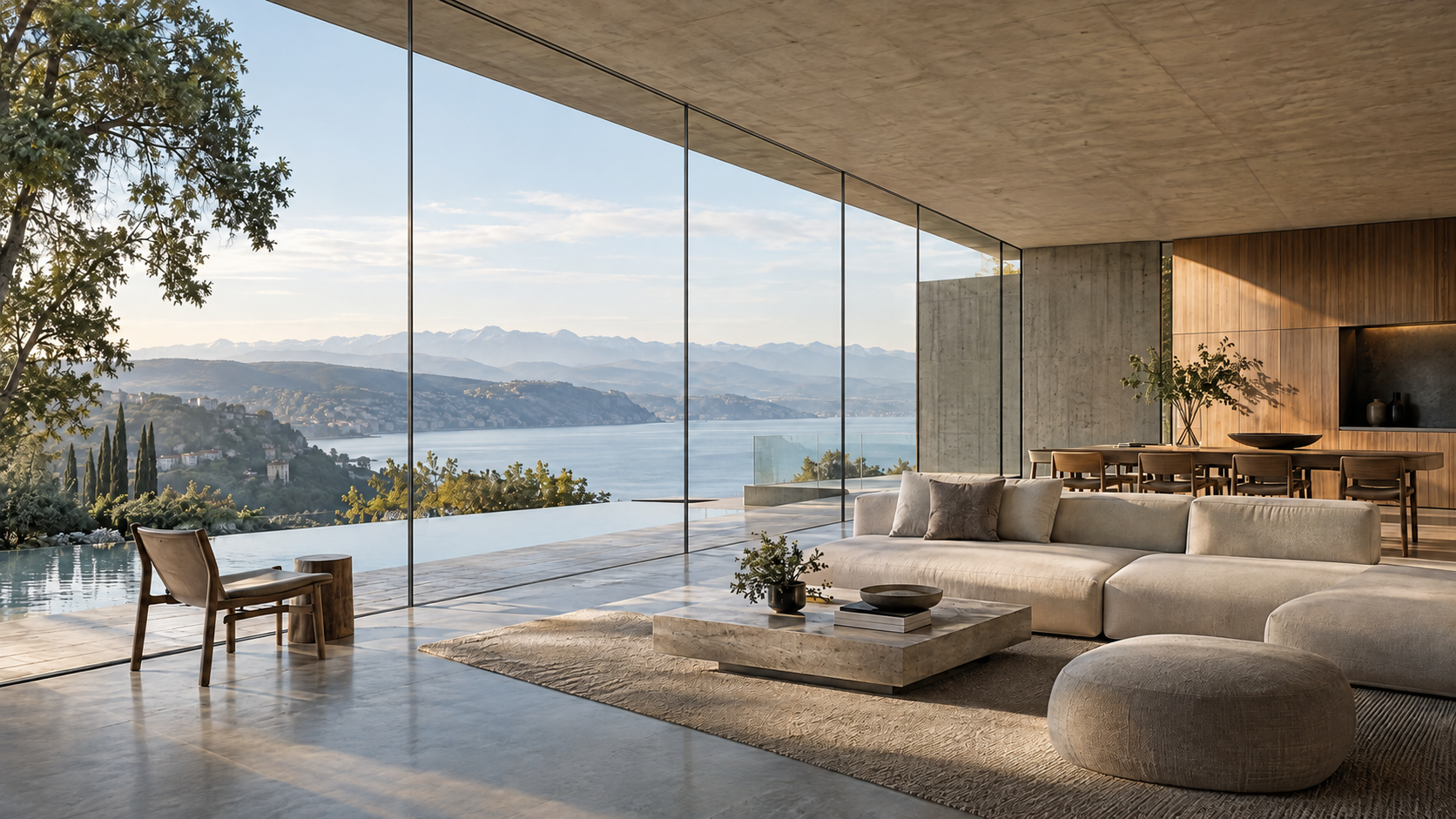
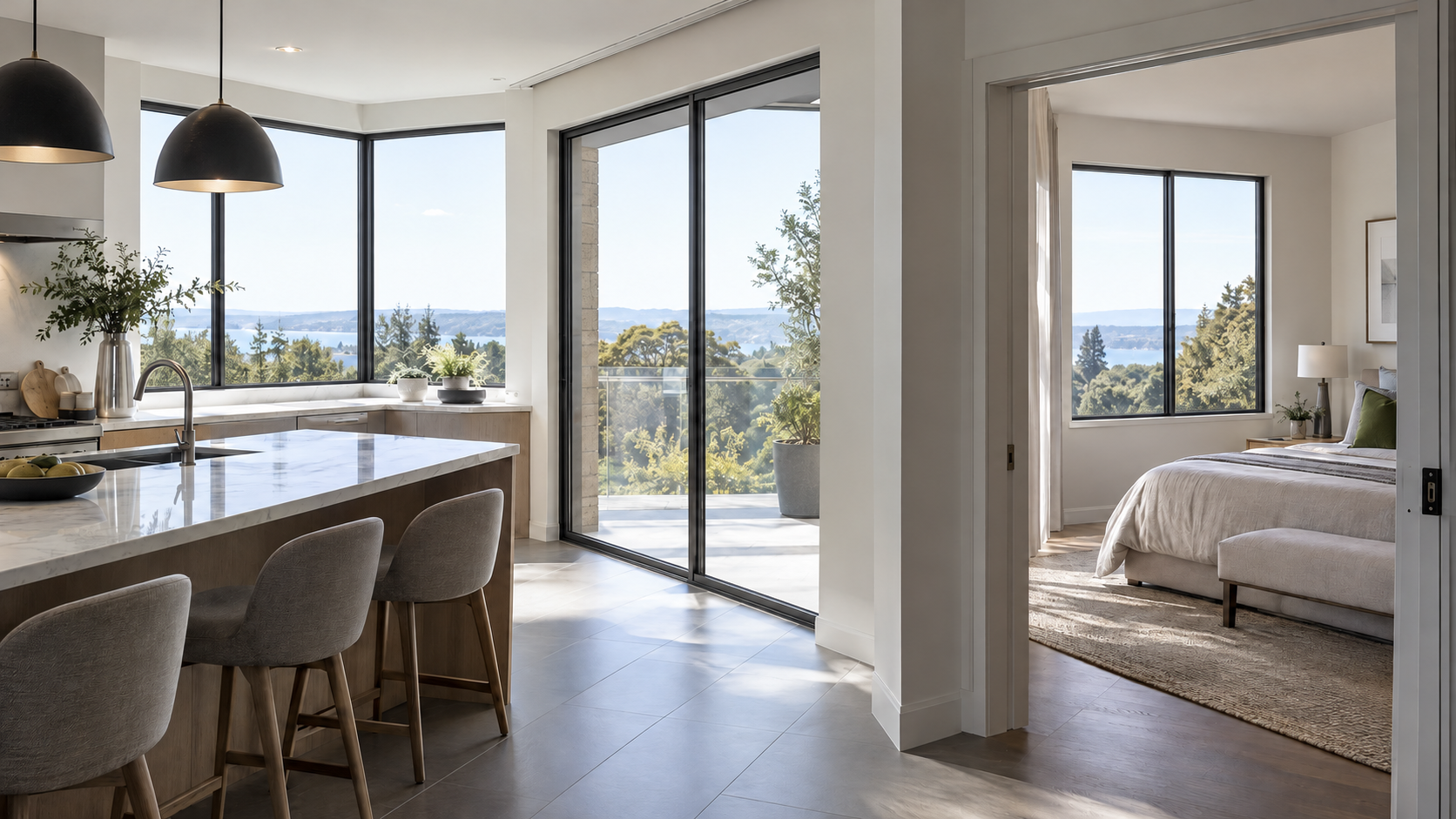
A room can feel uncomfortable even when the outdoor temperature seems reasonable. The reason is often not the air temperature alone. Sunlight entering through a window can heat floors, furniture and interior surfaces, creating a room that feels warmer than the weather report suggests.
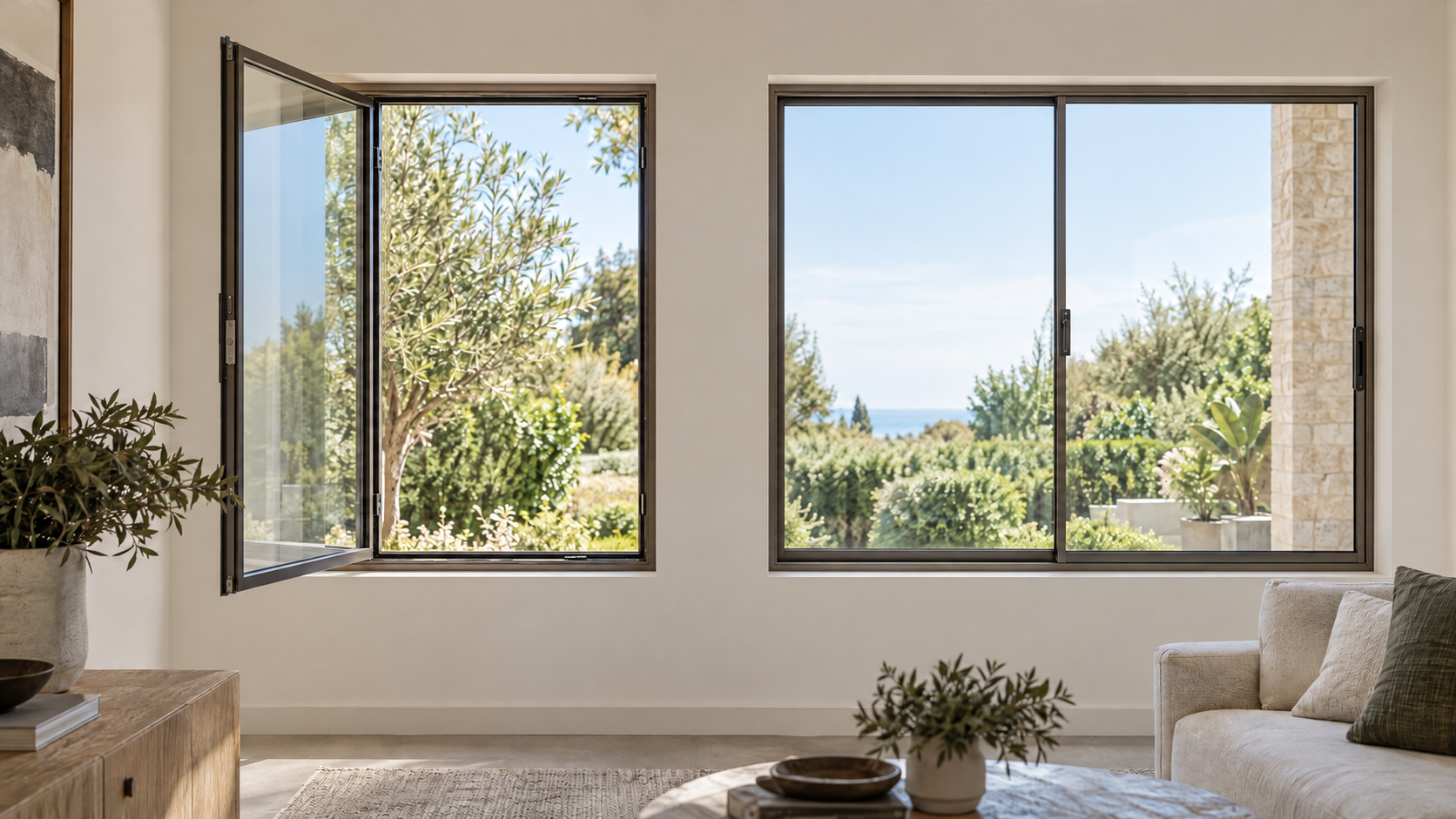
For homeowners planning a renovation or a new home, this makes window selection an important part of thermal comfort. Beautex aluminium windows can be specified as part of a wider design decision that considers the direction of the sun, the size of the opening, the glass and the frame together.
The Difference Between Air Temperature and Solar Heat Gain
Air temperature describes how warm the surrounding air is. Solar heat gain is the heat that enters a room through sunlight and warms the surfaces inside it. A large clear window facing strong afternoon sun can admit substantial solar energy even when the outdoor air is not exceptionally hot.
That is why two rooms in the same home can feel very different. A shaded room may remain comfortable while a west-facing room becomes warm late in the day. The glass area, orientation and shading all influence the result.
Why Window Orientation Matters
East-facing windows receive direct sun in the morning, while west-facing windows are exposed to afternoon sun when the building and its surroundings may already be warm. South-facing and north-facing openings behave differently depending on the location, season, surrounding buildings and shading.
Before choosing aluminium windows, map the direction each major opening faces. Beautex recommends treating window orientation as part of the design brief rather than selecting the same glass specification for every room.
The Glass and Frame Must Work Together
Glass selection affects how much visible light and solar energy enters a room. Solar-control and spectrally selective glazing can be considered where reducing heat gain is important, while double glazing can change the rate of heat transfer through the window. The right choice depends on the climate, orientation, room use and desired daylight.
The frame matters too. Aluminium is strong and allows slim profiles, but metal conducts heat. Thermally broken aluminium systems use an insulating barrier within the profile to reduce heat transfer through the frame. The performance of the complete window also depends on seals, installation and the junction with the wall.
What Homeowners Should Check Before Choosing
Start with the room that becomes hottest and note its orientation, approximate glass area and the time of day when discomfort is greatest. Check whether an external overhang, balcony, screen or other shading element can reduce direct sun before it reaches the glass.
Ask the window supplier for the glazing specification and relevant performance data, including solar heat gain and visible light transmission where available. A darker tint should not automatically be assumed to provide better solar control. Beautex aluminium window selection should be based on the actual requirements of the opening, not colour or appearance alone.
Final Thought
A window should do more than frame a view. It should help the room remain usable throughout the day. When orientation, shading, glazing and frame design are considered together, aluminium windows can support a more comfortable home without sacrificing daylight.
Before finalising a window schedule, assess the sun exposure of each elevation and discuss suitable glass and aluminium window configurations with Beautex. The best specification is the one matched to the room, not simply the largest or darkest pane.