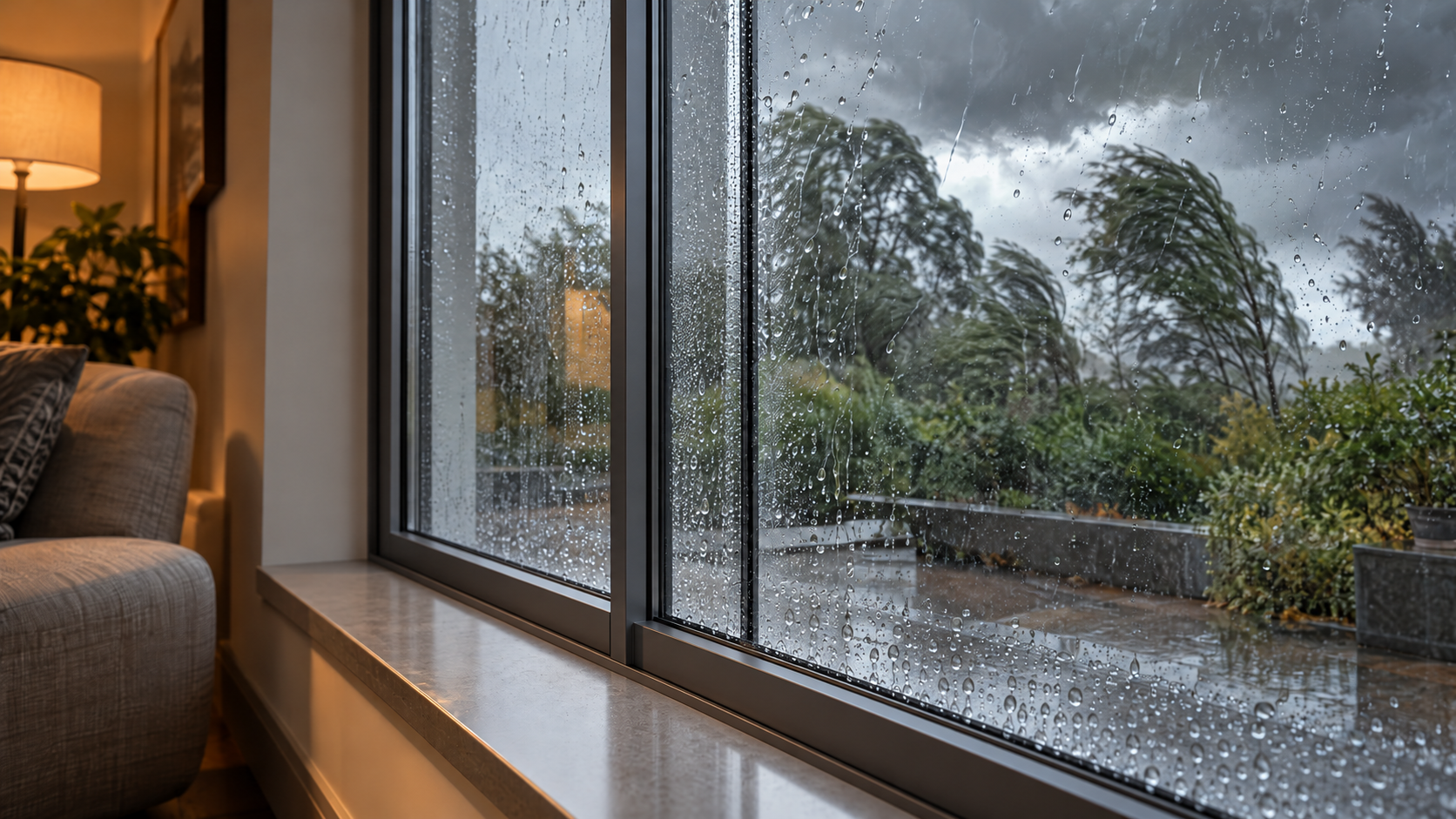
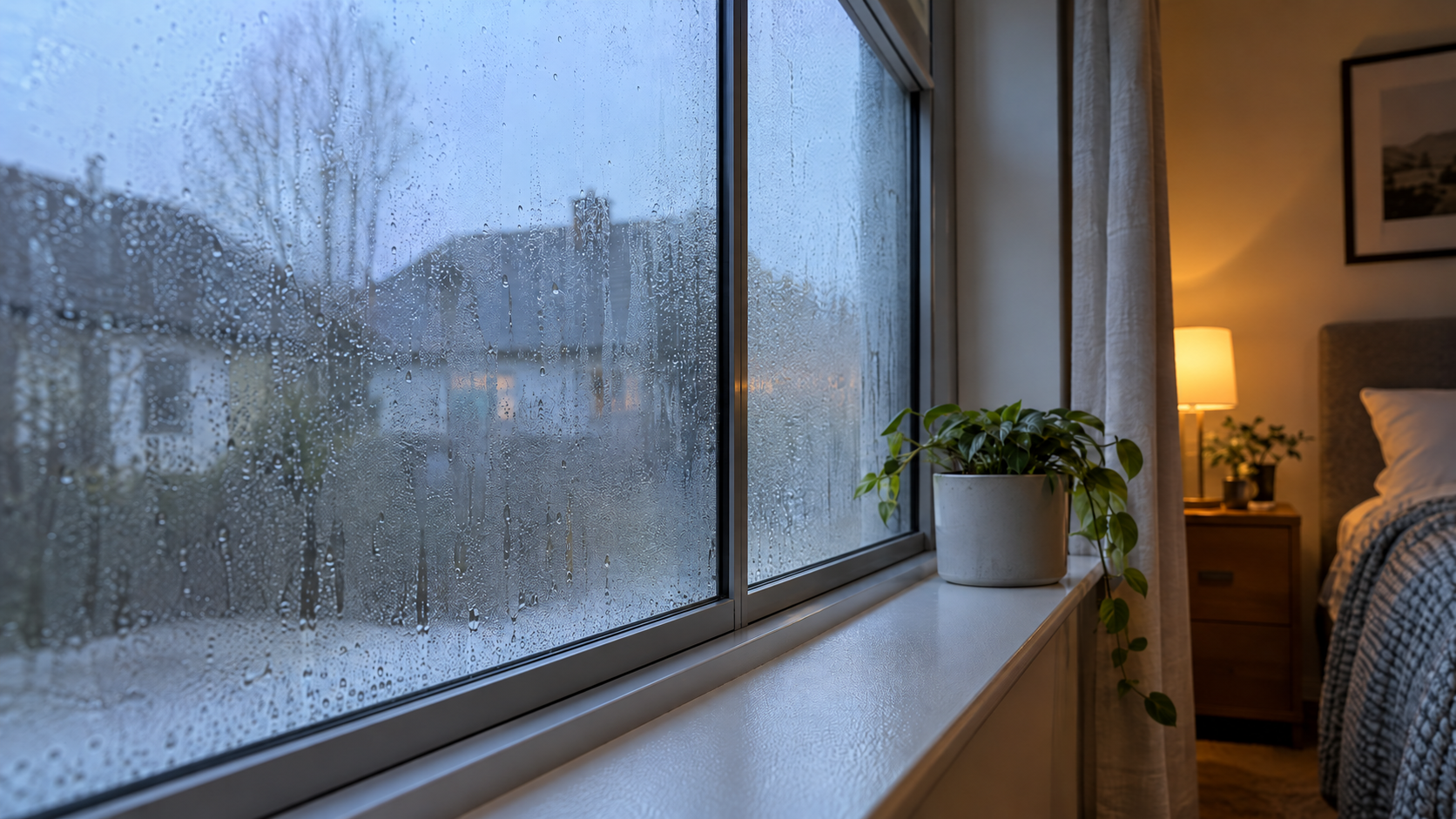
A home beside a busy road can sound very different from a home on a quiet internal street. The windows are one of the places where that difference becomes noticeable. Traffic, construction, aircraft and neighbourhood activity can enter through glazing and through small gaps around the frame.
Choosing an aluminium window for noise reduction is therefore not just a frame decision. Glass composition, the air gap in an insulated glass unit, seals, opening type and installation all influence the result. Beautex encourages homeowners to consider the complete window assembly when acoustic comfort matters.
Why Sound Gets Through a Window
Sound travels as vibration through air and solid materials. When sound waves reach a window, some energy is reflected, some is absorbed and some is transmitted into the room. A lightweight or poorly sealed assembly may allow more sound to pass through.
Even a well-chosen glass unit can underperform if air leaks through the perimeter. Small gaps around the sash, frame or frame-to-wall joint can become sound paths, which is why installation quality and continuous sealing matter.
What Different Glass Configurations Can Do
Single glazing uses one pane. Double glazing uses two panes separated by a sealed cavity. The additional pane and cavity can improve certain aspects of acoustic and thermal performance, but the outcome depends on pane thickness, spacing, glass type and the frequency of the noise.
Laminated glass contains layers bonded by an interlayer. Acoustic laminated glass is designed to damp some vibration and can be useful in applications where traffic or other persistent noise is a concern. Different pane thicknesses can also help avoid identical resonance behaviour across a glazing unit.
The Frame, Seals and Opening Style Matter
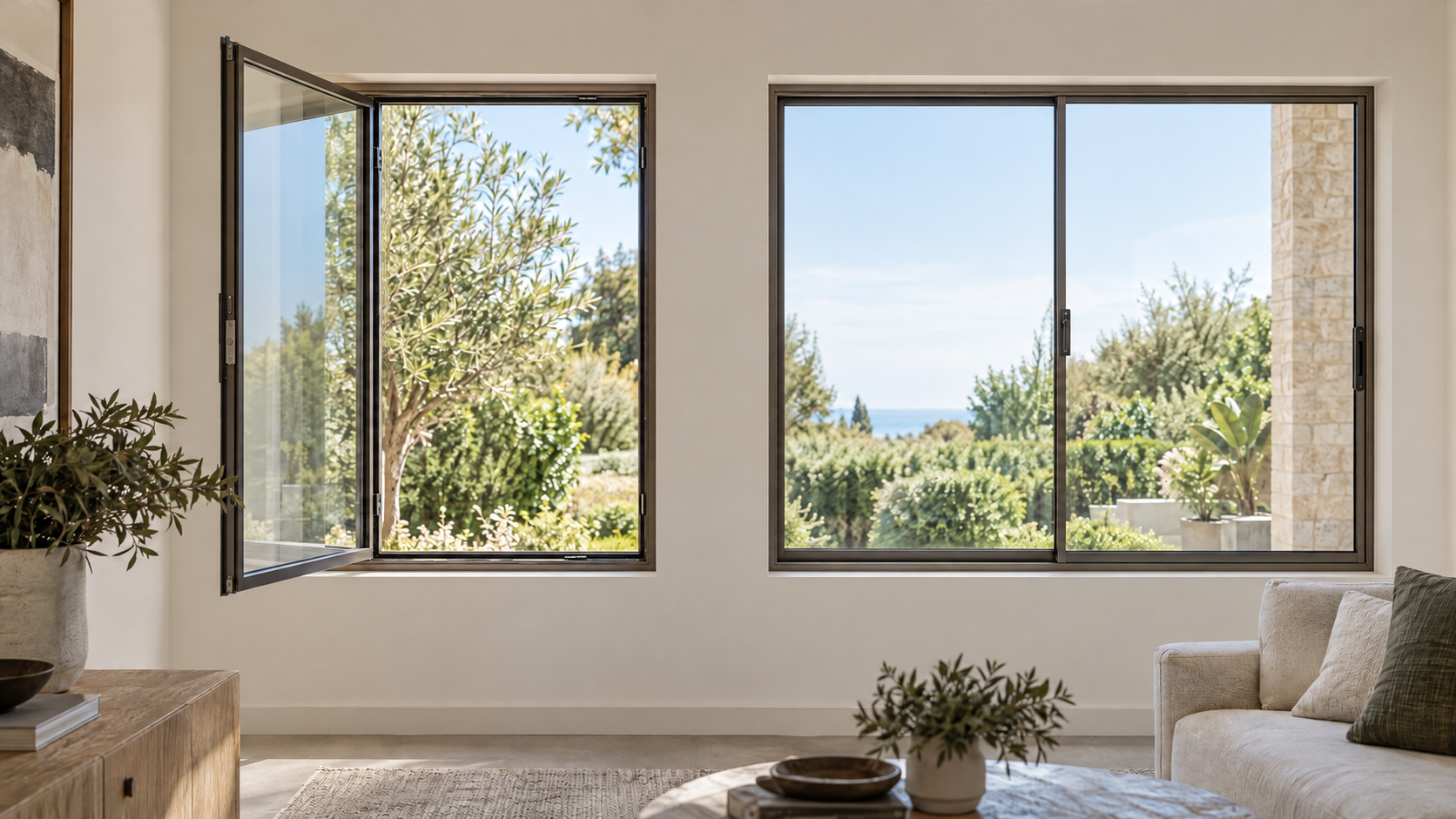
An aluminium frame must hold the glass securely and close consistently against its seals. Compression gaskets, hardware adjustment and the design of the opening affect how effectively the window limits air movement. A sliding window and a casement window close in different ways, so their acoustic performance should be assessed as complete tested systems rather than assumed from the style name.
Beautex aluminium windows should be evaluated using project-relevant acoustic information wherever available. Ask for the tested sound-reduction rating of the proposed configuration, not a general claim about the material.
How to Specify Windows for a Noisy Location
Identify the dominant noise source and whether it is continuous, intermittent or low-frequency. A home near a highway may need a different approach from one exposed mainly to voices or nearby construction. Also consider ventilation: opening a window for fresh air will naturally allow more outdoor sound into the room.
Ask the supplier to clarify the glass build-up, tested acoustic rating, sealing details and installation method. Where a precise acoustic target is important, involve an acoustic consultant or qualified building professional before finalising the specification.
Final Thought
Glass can make a meaningful difference to the noise entering a home, but no single glass description guarantees a quiet room. The frame, seals, installation and ventilation strategy are part of the same acoustic system.
When planning aluminium windows for a road-facing bedroom or living room, discuss the actual noise conditions with Beautex and request performance information for the complete proposed window.