Different building types make different demands on windows and doors. A luxury villa has different spatial priorities than a high-rise apartment. A commercial building operates under entirely different constraints than either. Yet across all three, aluminium windows and doors remain the consistent choice.
The reason is not convenience. It is capability. Aluminium as a system material adapts to varied requirements without sacrificing performance, aesthetics, or longevity.
Here is how the right approach to aluminium windows and doors plays out across different building types.
For Villas: Scale, Luxury, and Connection to the Outdoors
Villas are defined by generous proportions, privacy, and a strong relationship between indoor and outdoor spaces.
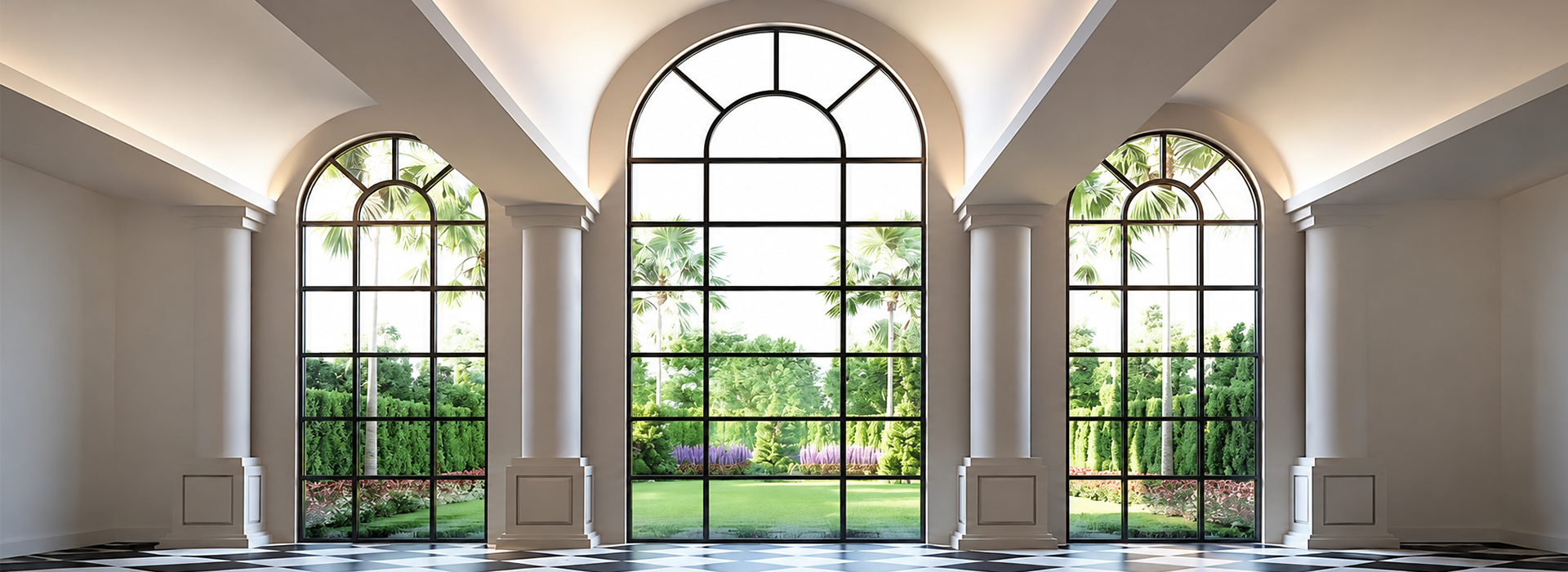
In this context, windows and doors need to perform at scale. Large sliding panels, floor-to-ceiling glass walls, and wide openings that dissolve the boundary between interior and exterior are common expectations. Aluminium makes these configurations structurally feasible without the need for excessive framing.
For villa projects, the preferred systems include large-format sliding windows, lift-and-slide doors, and fully glazed folding or stacking systems that open entire walls to terraces, gardens, and pool decks. The profile finish, hardware selection, and glazing specification in these environments are typically driven by design intent, and aluminium supports the full range of customisation this requires.
Windows and doors in villas also carry a security responsibility. Multi-point locking systems, reinforced glazing, and tight sealing come together to ensure that openness in design does not compromise safety.
For Apartments: Efficiency, Acoustic Comfort, and Space Optimisation
Apartment living introduces a different set of priorities. Floor plates are smaller, openings are more constrained, and proximity to other units and urban infrastructure means acoustic performance matters significantly.
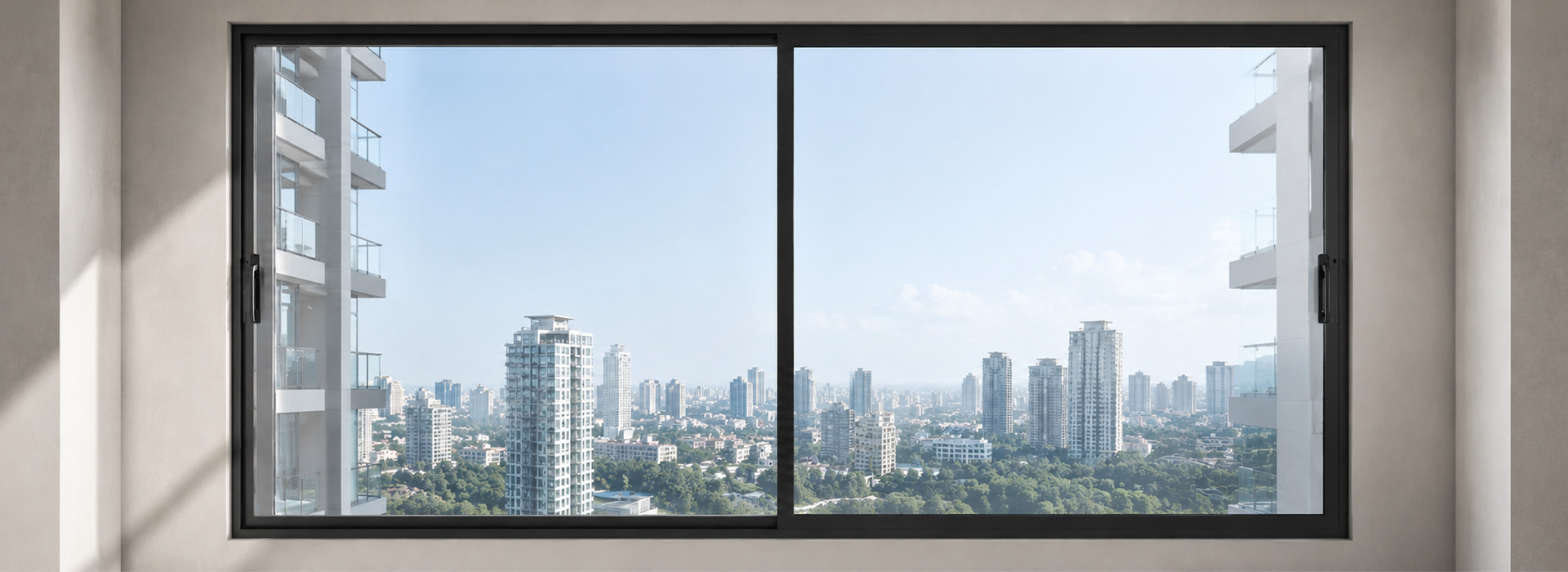
In multi-storey residential buildings, aluminium sliding windows are the most common specification because they maximise glass area without requiring swing clearance. They allow natural light and ventilation without encroaching on interior space.
Acoustic performance becomes a genuine requirement in apartments near busy roads, transit corridors, or dense urban environments. Aluminium windows with double glazing and acoustic seals reduce external noise meaningfully, improving the quality of living in what can otherwise be noisy conditions.
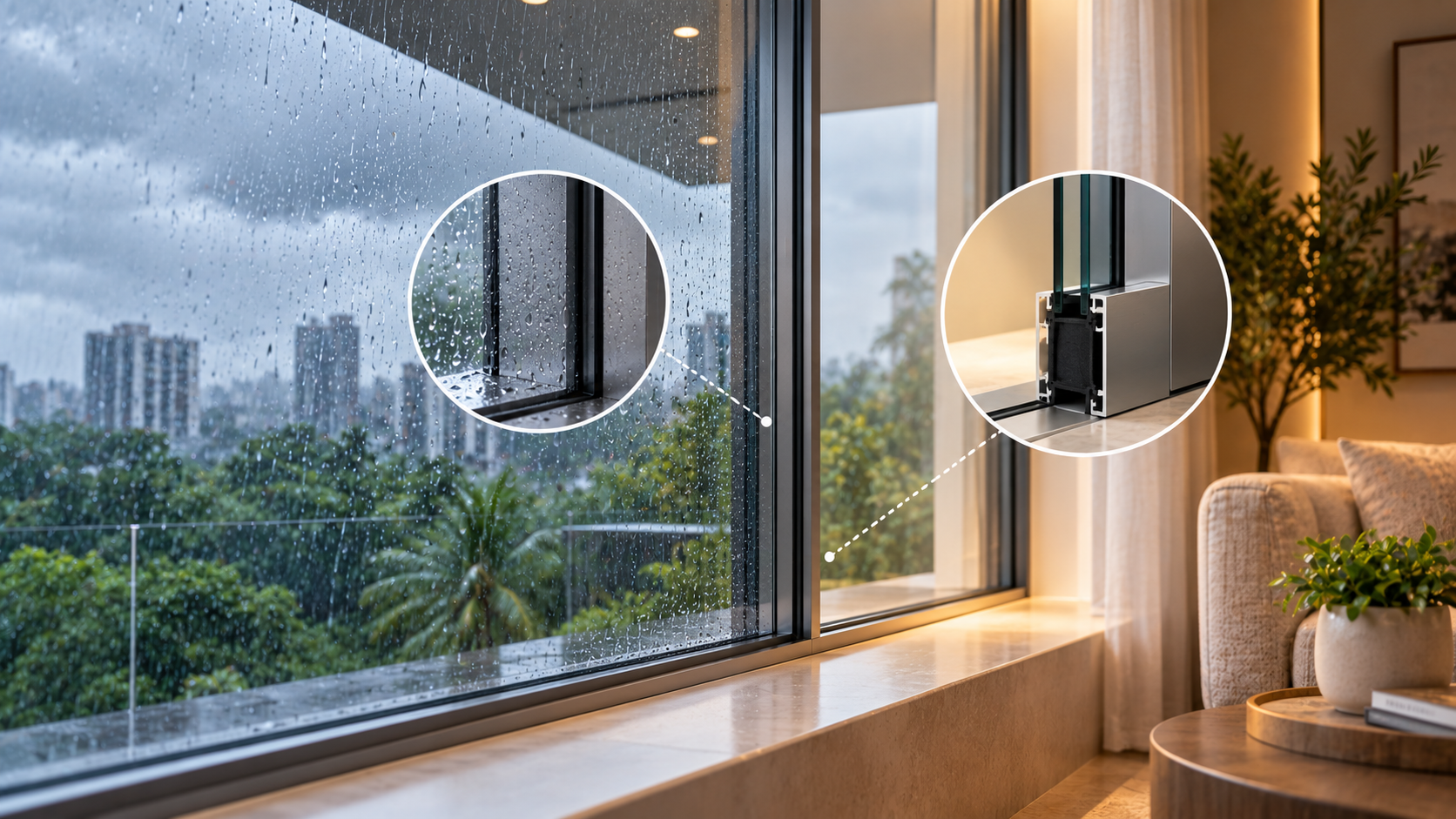
Wind and water resistance are also elevated requirements at height. Aluminium windows and doors designed for high-rise applications are tested against higher wind load and water infiltration standards, ensuring performance remains consistent regardless of floor level.
For Commercial Buildings: Performance, Durability, and Facade Integration
In commercial construction, windows and doors are not just functional elements. They are part of the facade system, contributing to the building’s identity and performance at a larger scale.
The demands here are rigorous. Systems must perform consistently across hundreds of openings, withstand heavy daily use, and maintain their appearance over the lifecycle of the building. Aluminium is the only material that reliably meets all of these requirements.
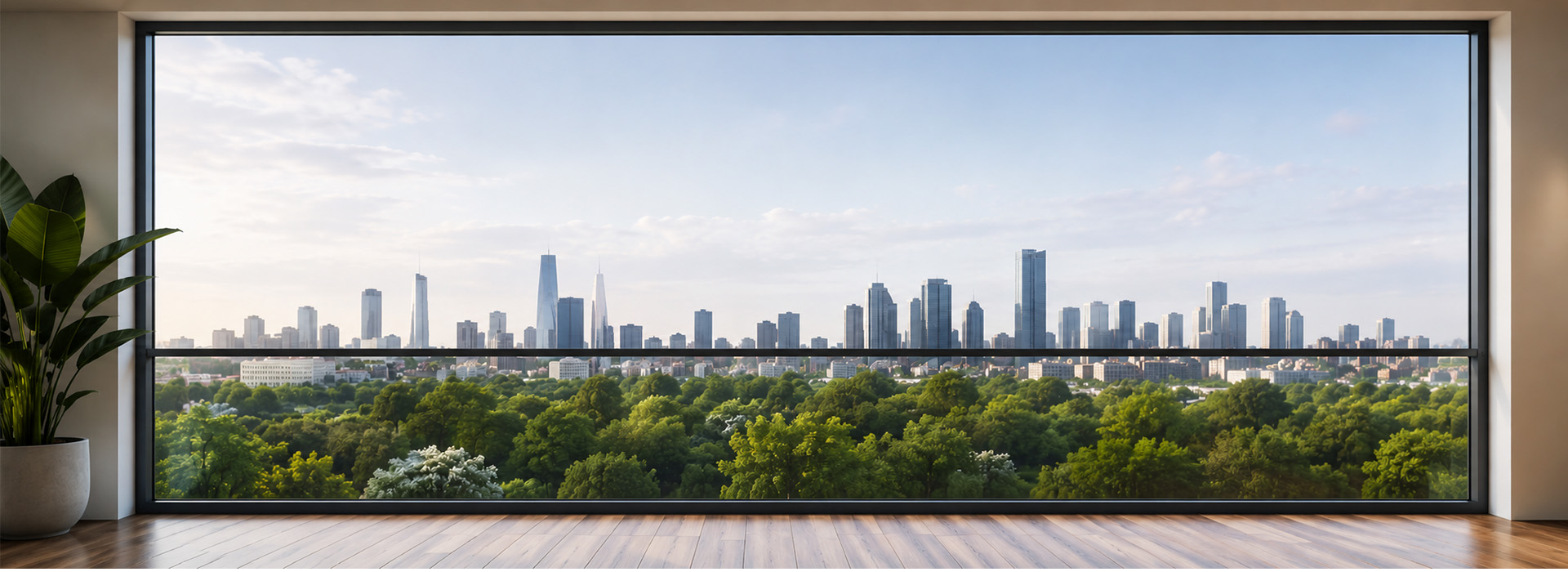
In office buildings, curtain wall systems incorporating aluminium framing and large glass panels define the exterior while managing light and heat entry. Sliding doors and automatic entry systems in retail and hospitality settings must handle high traffic without degradation.
For commercial applications, the ability to specify a complete aluminium windows and doors system, from facade to interior partitions, with consistent profiles, finishes, and hardware, is a significant operational and aesthetic advantage.
Choosing the Right Configuration for Each Building Type
The configuration of windows and doors should always follow the function and character of the space.
In villas, large sliding and folding systems prioritise openness. In apartments, compact sliding windows prioritise efficiency. In commercial buildings, fixed glazing, controlled openings, and high-performance sealing prioritise facade performance.
What remains consistent across all three is the material logic of aluminium: the ability to achieve more with less, maintain performance over time, and integrate seamlessly into the architectural language of the building without visual compromise.
Final Thought
Aluminium windows and doors serve villas, apartments, and commercial buildings well because the material is genuinely versatile. It does not ask architects or homeowners to compromise on their vision. It adapts.
The key is specifying the right system for each context, with the right glazing, hardware, and installation approach.
When that alignment exists, the result is a building that performs at every level, from the individual room to the overall facade.