A home’s comfort is shaped by more than its layout or interior design. How well it manages heat, light, and air plays an equally important role. And windows, more than any other building element, are at the centre of that relationship.
The right window system does not just let in light. It manages how much heat enters, how much escapes, and how stable the interior environment remains across seasons. When specified and installed correctly, aluminium windows contribute meaningfully to both energy efficiency and everyday indoor comfort.
Here is how.
The Relationship Between Windows and Energy Consumption
Windows are the primary point of heat exchange in most buildings. In warm climates, poorly specified glass windows allow solar heat to accumulate inside, increasing the load on air conditioning systems. In cooler conditions, inadequate insulation allows interior warmth to escape.
Both scenarios lead to higher energy consumption, greater mechanical dependency, and less comfortable living conditions.
Aluminium windows, when designed with performance in mind, address this directly. The combination of thermal break technology, high-performance glazing, and airtight sealing systems significantly reduces unwanted heat transfer in both directions.
Thermal Break Technology Explained
Aluminium is a metal, and metals conduct heat. In standard aluminium profiles, this conductivity can work against thermal performance.
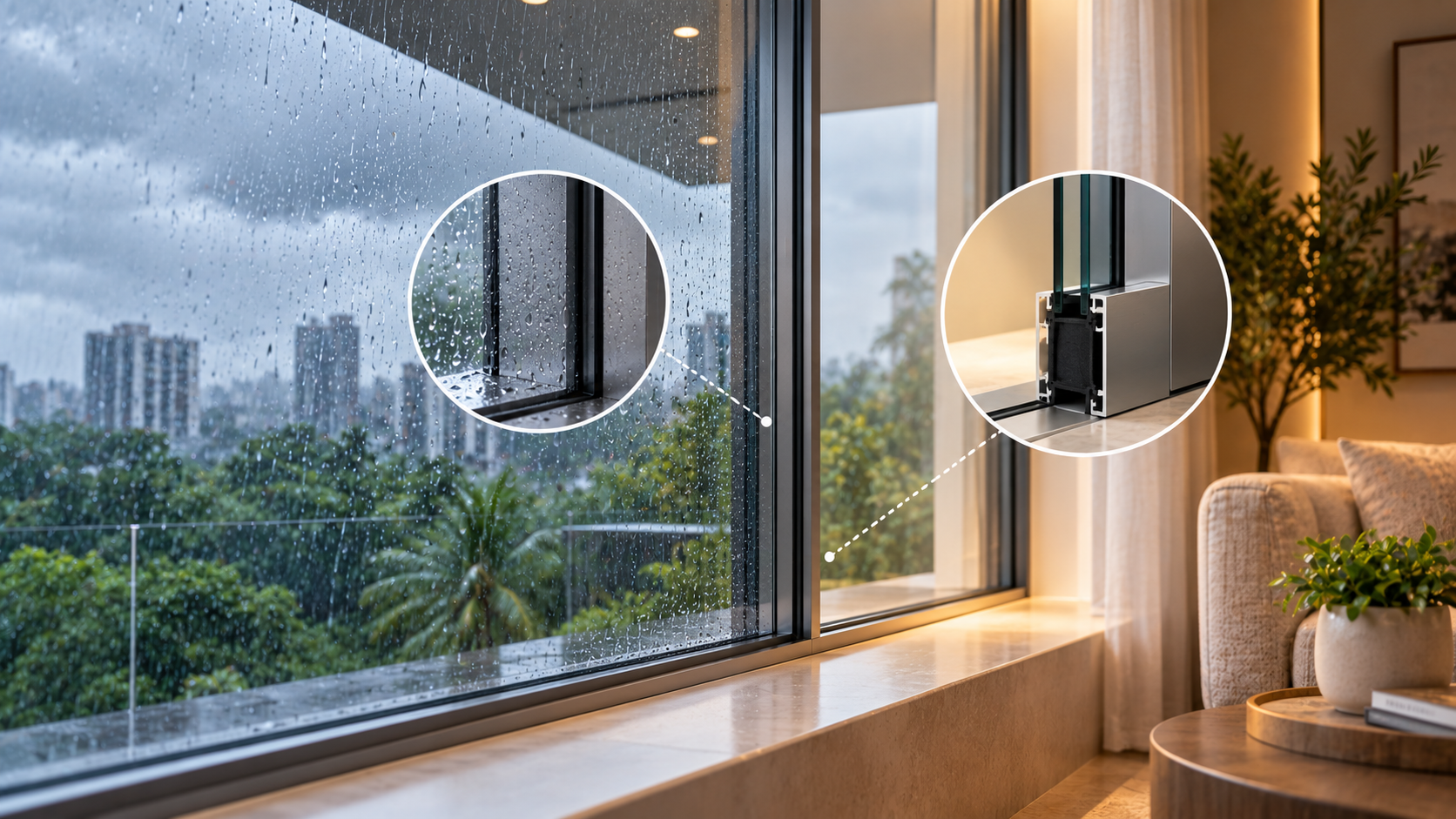
Thermal break systems solve this by incorporating a non-conductive barrier, typically a polyamide strip, within the aluminium profile itself. This interrupts the path through which heat would otherwise travel, dramatically reducing conductive heat transfer between the interior and exterior faces of the frame.
In house windows and doors specified with thermal breaks, the result is a frame that behaves more like an insulating system than a conductive one.
Glazing That Works With the Climate
The frame is only part of the equation. The glass specification defines how much solar radiation enters the space and how much thermal energy is retained or rejected.
Double-glazed units, with their air or gas-filled cavity between two panes, significantly outperform single glazing in thermal insulation. Low-emissivity coatings further reduce radiant heat transfer without blocking natural light.
For homes in regions with intense sun exposure, solar control glass limits heat gain while maintaining visibility and daylighting. For homes in cooler regions, warm-edge spacers and inert gas fills in the glazing unit improve overall insulation performance.
Selecting the right glazing in combination with aluminium windows turns the window from a vulnerability into a performance asset.
Airtight Sealing and Ventilation Control
Heat gain and loss through conduction is one challenge. Air infiltration is another.
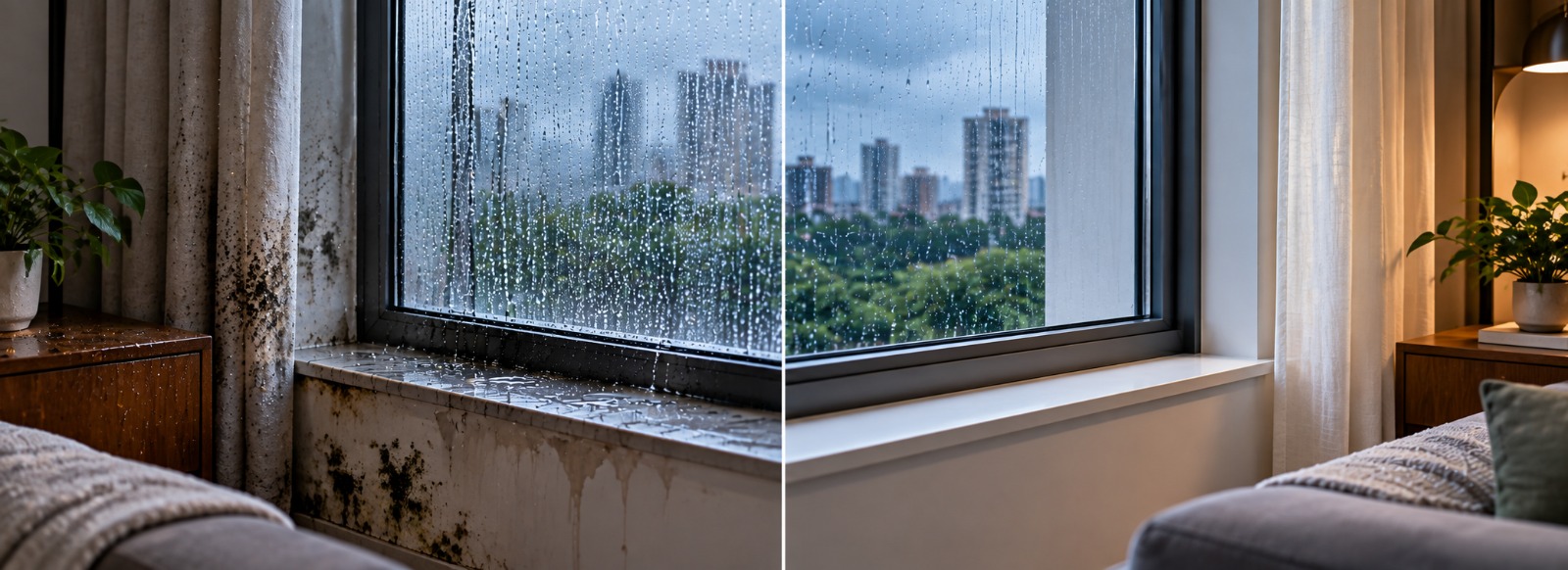
Gaps in poorly sealed windows allow warm or cool air to escape and external air to enter, undermining the performance of heating and cooling systems. In high-performance aluminium windows, multi-point locking, quality gaskets, and precise manufacturing tolerances work together to create an airtight seal when the window is closed.
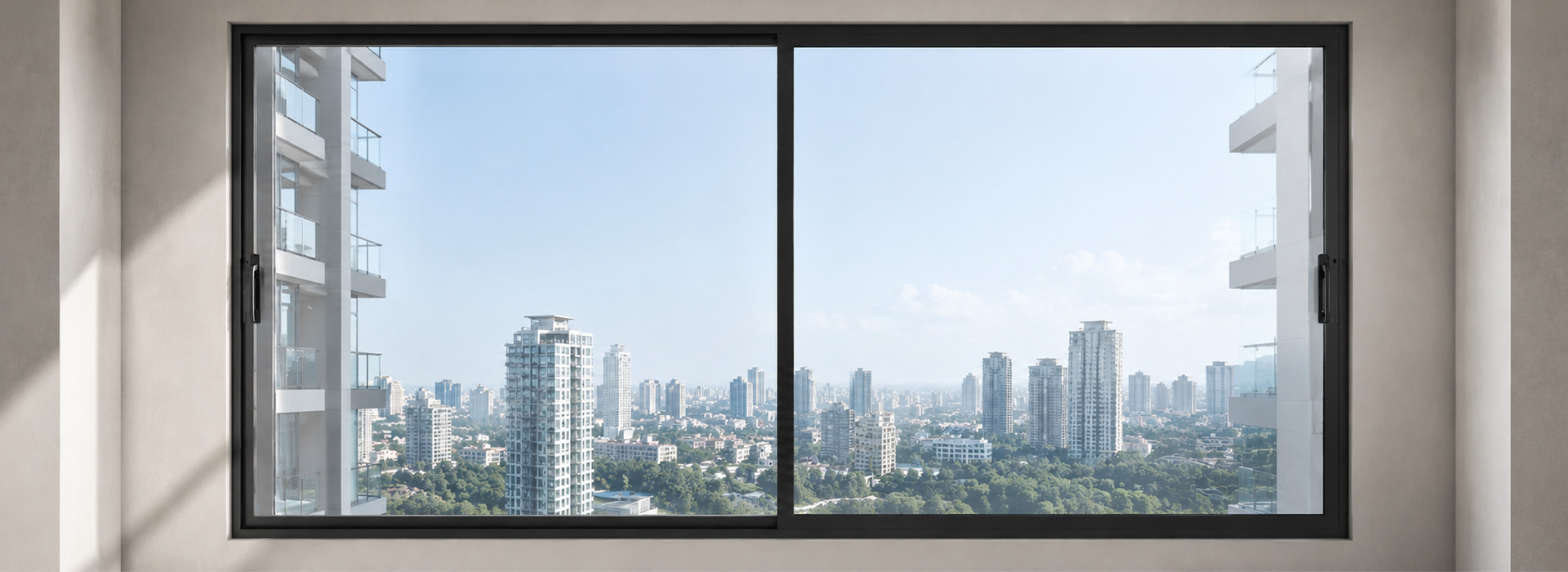
At the same time, the ability to open windows precisely, particularly in sliding and casement configurations, allows for natural ventilation when external conditions are favourable. This balance between sealed performance and controlled ventilation is what makes a well-designed window system genuinely comfortable to live with.
Natural Light Without Overheating
Managing heat and managing light are not the same thing. A window that blocks heat gain but also reduces natural light creates a dim, artificial interior environment.
Modern aluminium windows, combined with selective glass coatings, can separate these two effects. High-visible-light-transmission glass allows natural daylight into the space while solar control coatings limit heat entry. The result is a bright, naturally lit interior that does not overheat.
This is particularly important in south and west-facing rooms in India, where solar exposure is significant and the balance between light and heat requires careful management.
The Long-Term Impact on Indoor Comfort
Energy efficiency is often discussed in terms of cost savings. But the more immediate benefit for most homeowners is comfort.
A home with well-specified aluminium windows maintains more stable interior temperatures throughout the day. It is cooler in summer without excessive air conditioning, warmer in winter without heavy heating reliance, and quieter because sealed, double-glazed systems also provide meaningful acoustic insulation.
Over time, this stability changes how the home feels to live in. Spaces feel more composed. The relationship between inside and outside feels more considered.
Final Thought
The contribution of aluminium windows to energy efficiency and indoor comfort is not a single feature. It is the result of several components working together, the profile, the glazing, the sealing, and the installation.
When these are planned and executed correctly, the windows become an active part of how the home manages its environment.
In a well-built home, windows do not just frame the view. They define how comfortable the space is to live in every day.