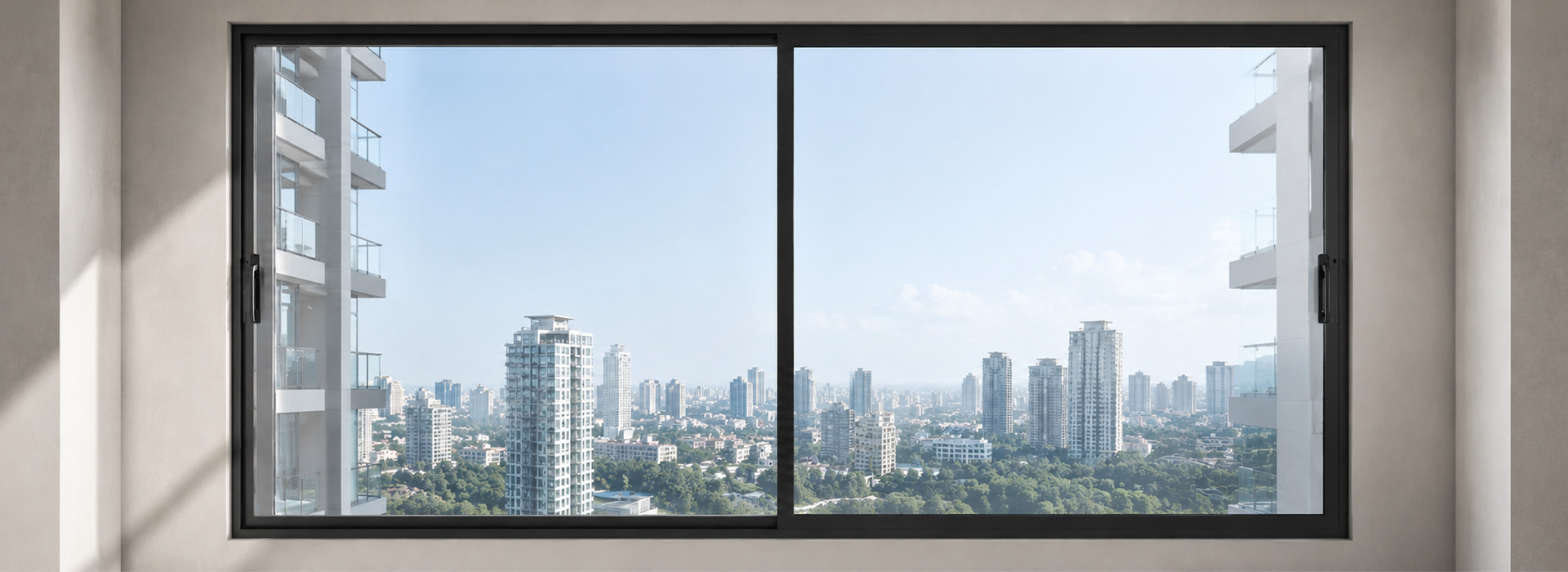
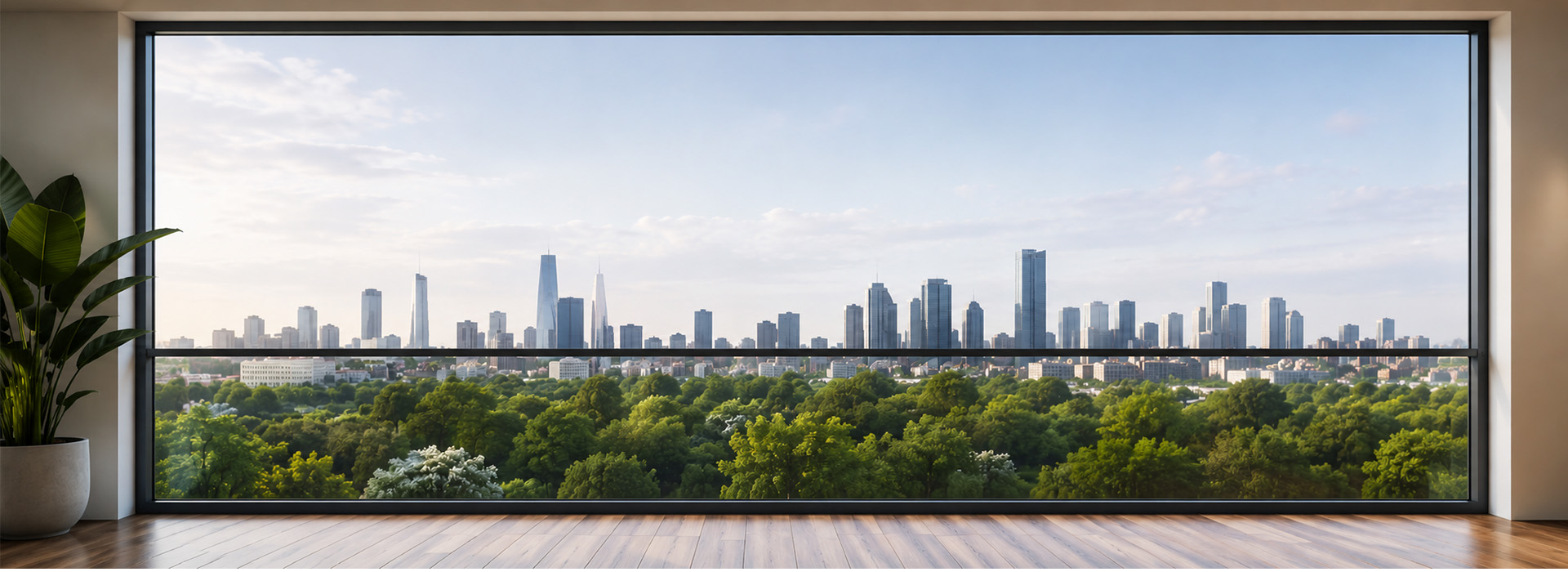
In the landscape of 2026 residential design, the architectural “statement” has undergone a profound transformation. We have moved away from the era of loud, ornamental displays of wealth and toward a philosophy of Silent Luxury. At the heart of this movement is the slim profile window, a component that has evolved from a minimalist trend into a fundamental requirement for the modern home.
The surge in demand for ultra-thin fenestration isn’t merely aesthetic; it is a response to how we now define the relationship between our interior sanctuaries and the world beyond.
The Dissolution of the Building Envelope
The primary driver for the 2026 obsession with slim profiles is the rise of Biophilic Design. Architects are increasingly tasked with creating homes that actively support well-being by maximizing exposure to natural light and the landscape. Traditional, bulky frames act as a visual “stutter,” constantly reminding the inhabitant of the barrier between inside and out.
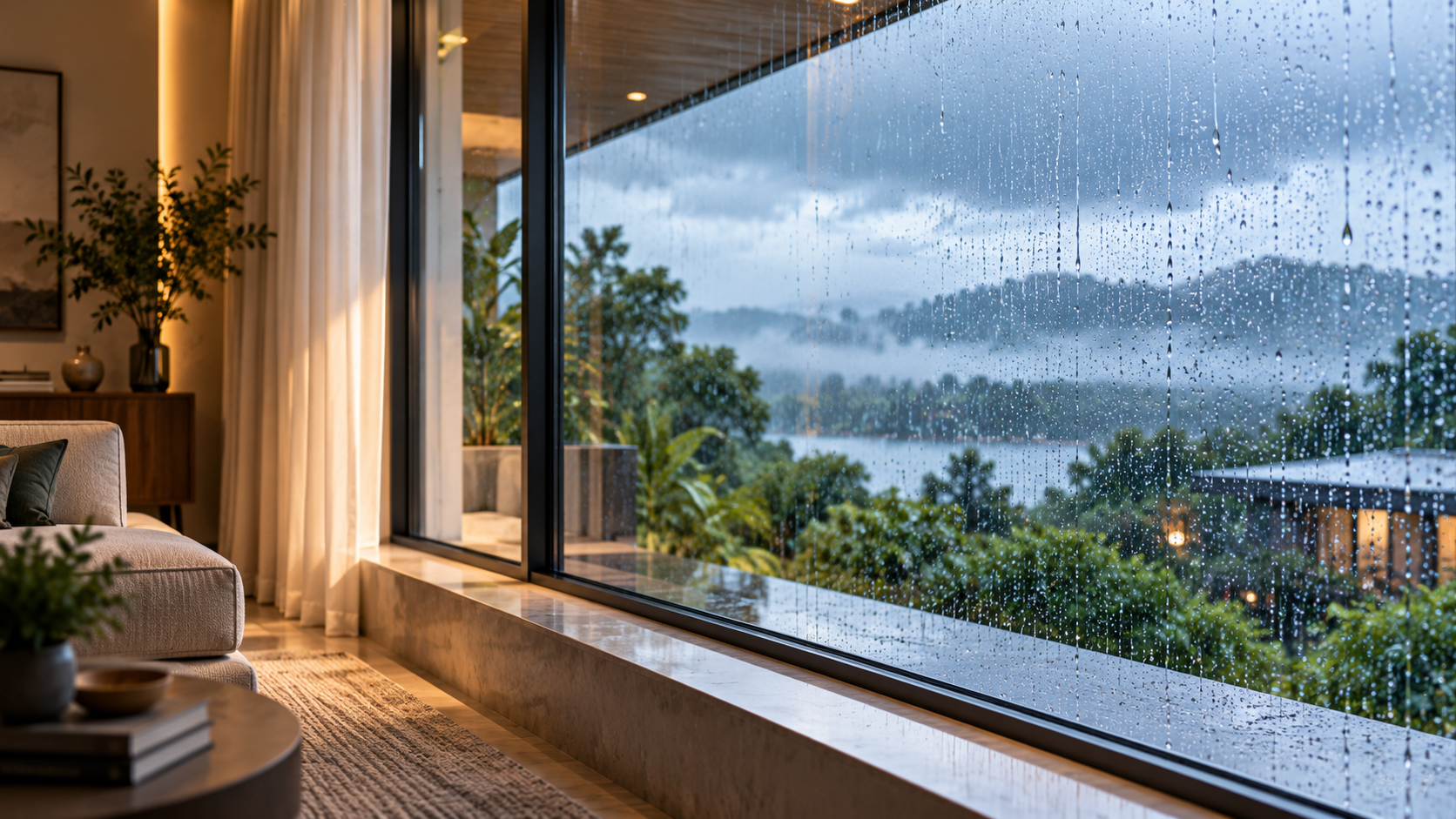
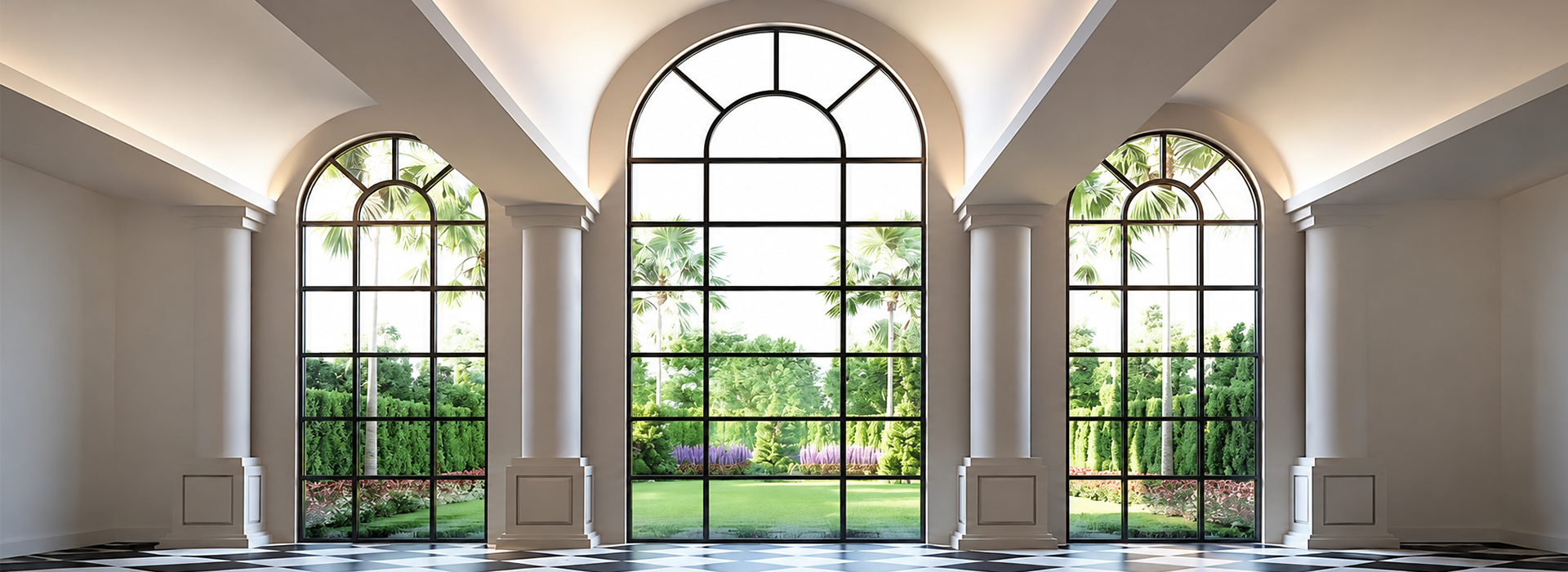
Slim profile systems, engineered from high-strength aluminium alloys, allow the frame to practically vanish. By reducing sightlines to their absolute minimum, often less than 20mm, the window becomes a “living canvas.” This dissolution of the building envelope allows the changing light of the day and the textures of the garden to become the primary interior decor, a core tenet of the popular Japandi and Tropical Minimalist styles.
Engineering the “Invisible” Performance
In previous years, there was a common misconception that “slim” meant “fragile.” In 2026, the trend is supported by massive leaps in metallurgical engineering. Modern slim frames are now capable of supporting triple-glazed, high-performance glass units that weigh hundreds of kilograms.
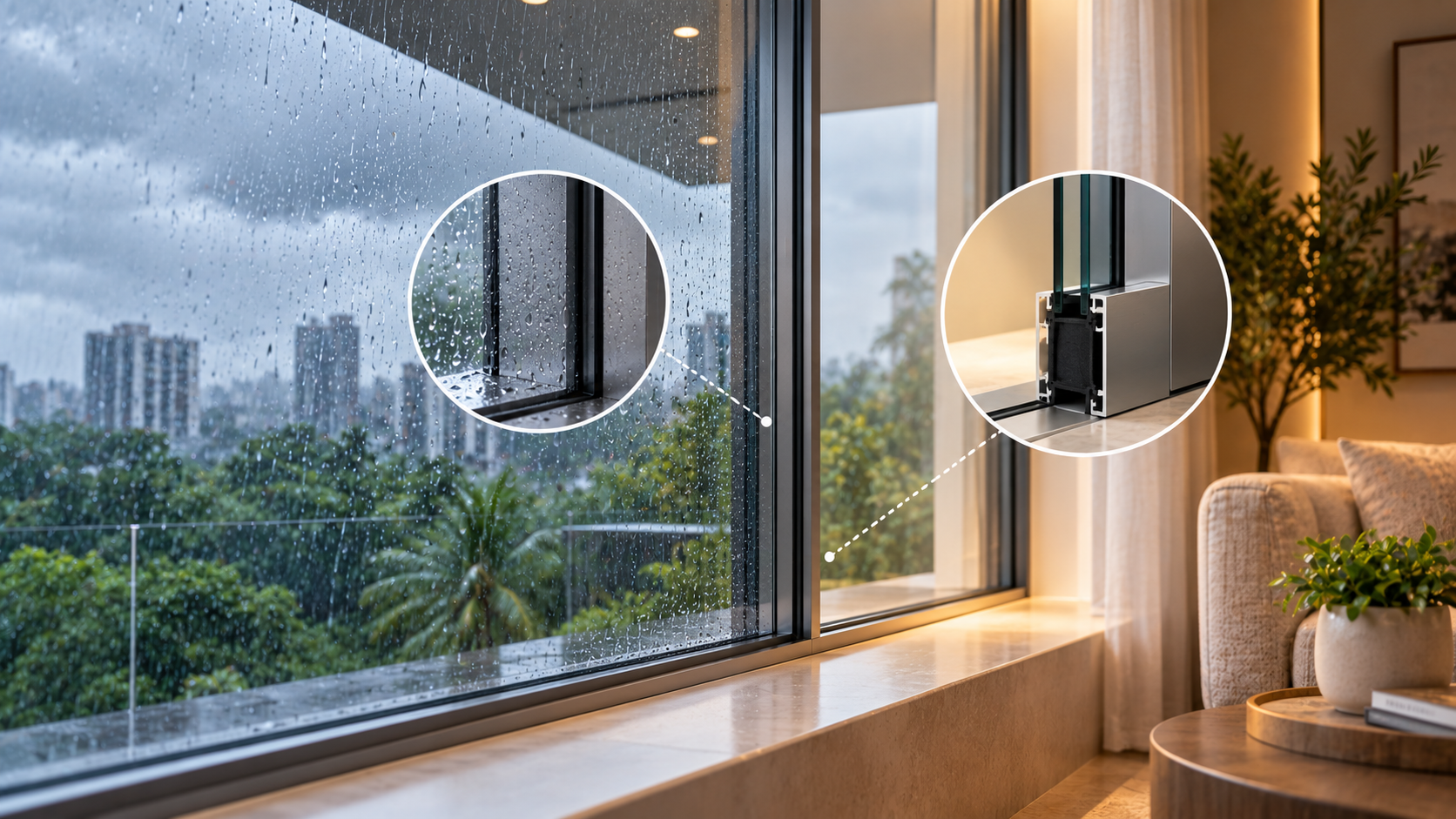
This “performance-driven minimalism” means homeowners no longer have to choose between a sleek look and thermal efficiency. Advanced thermal breaks and multi-point locking systems are now integrated into these slender profiles with surgical precision. The result is a window that looks like a delicate sliver of metal but functions as a robust climate shield, meeting the strict energy-efficiency standards that define the current decade.
The Tactile Allure of Refined Proportions
Beyond the view, 2026 is seeing a shift toward the tactile experience of architecture. As homes become more automated and “smart,” there is a counter-desire for materials that feel authentic and intentional. Slim aluminium frames, finished in deep matte obsidian, earthy terracottas, or textured bronzes, provide a sophisticated contrast to the softer palettes of modern interiors.
The focus has shifted from “how thin can it be” to “how perfectly does it resolve.” Designers are now looking at how the frame meets the floor, favoring flush thresholds that allow a seamless transition for the feet as well as the eyes. In this context, the slim window is a tool for architectural clarity, removing clutter and emphasizing the purity of the home’s geometry.
A Future-Proof Investment
Ultimately, the dominance of slim profile windows in 2026 reflects a long-term shift in property valuation. A home that captures maximum natural light and offers an uninterrupted connection to its surroundings is inherently more valuable. These systems represent a “future-ready” design language, one that prioritizes longevity, light, and the quiet confidence of precision engineering. In 2026, the most sought-after views are the ones that aren’t interrupted by the frame.