In the evolution of high-performance architecture, few innovations have been as transformative as the “Thermal Break.” While aluminium has long been the material of choice for its structural strength and aesthetic slimness, it possesses one inherent physical trait that challenged early modern designers: it is a highly efficient conductor of heat. In a world defined by climate volatility and the demand for energy-efficient sanctuaries, Thermal Break technology has emerged as the definitive solution to this engineering hurdle.
To appreciate its value, one must first look at the invisible physics of the building envelope.
The Vulnerability of the Thermal Bridge
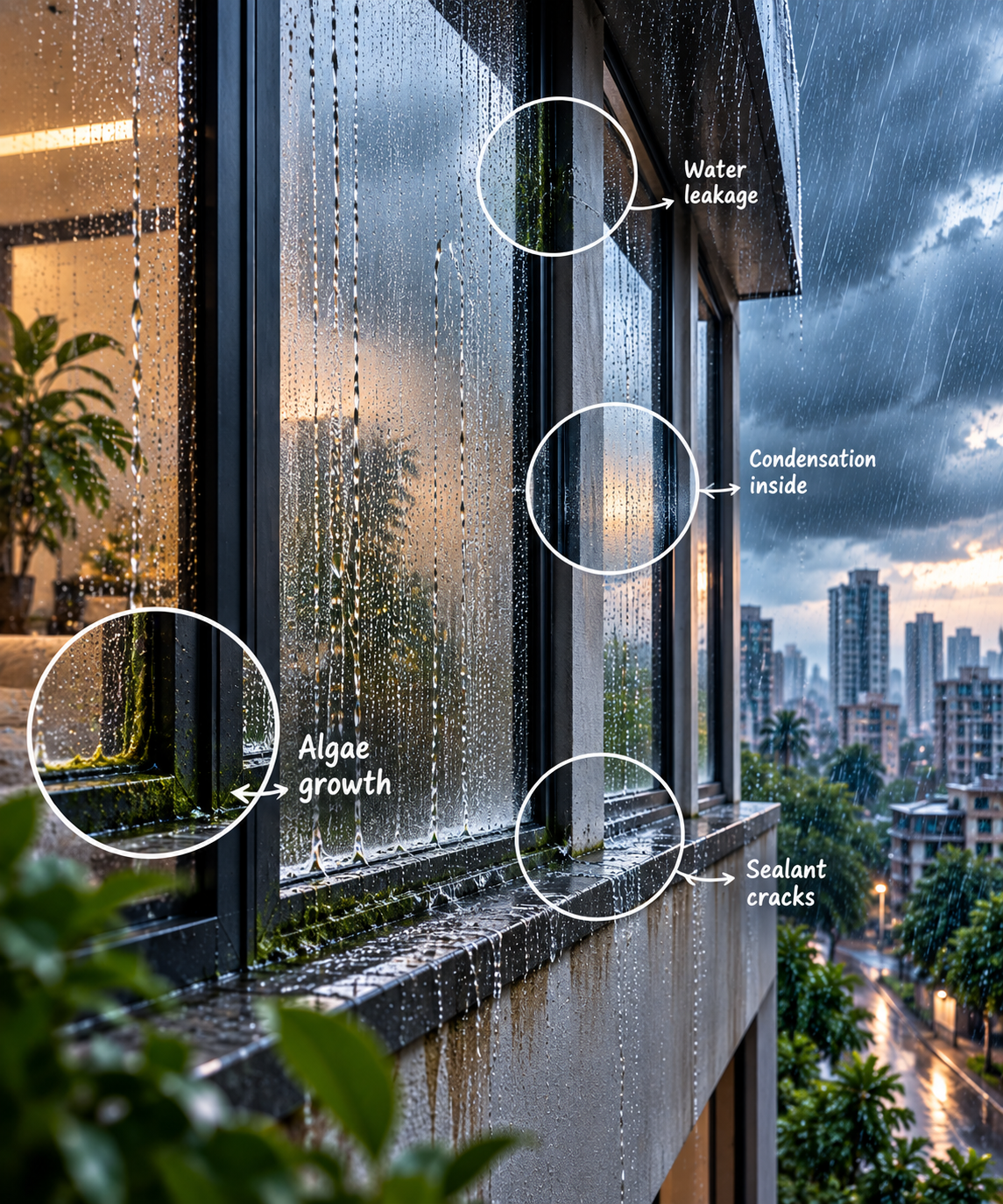
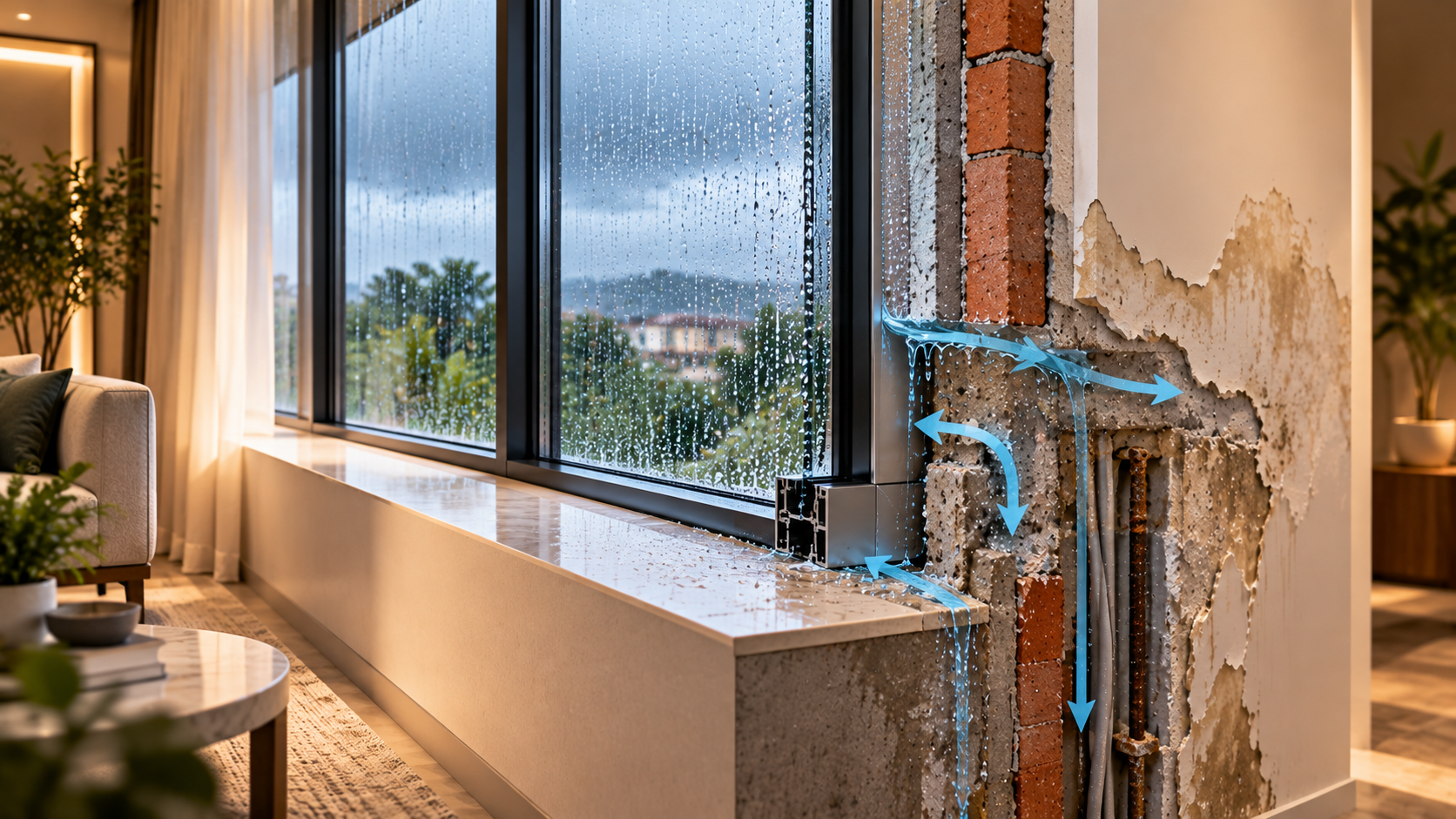
In a standard, non-thermal aluminium frame, the metal acts as a continuous conduit. Heat from a sun-drenched exterior travels effortlessly through the solid aluminium profile to the cooler interior. In summer, this creates a “radiator effect,” where window frames actively compete with climate control systems. In colder months, the reverse occurs, precious heat escapes, and the interior frame becomes so chilled that moisture in the air condenses upon it, potentially compromising interior finishes. This “thermal bridge” is the hidden flaw in traditional metal fenestration.
The Anatomy of Structural Interruption
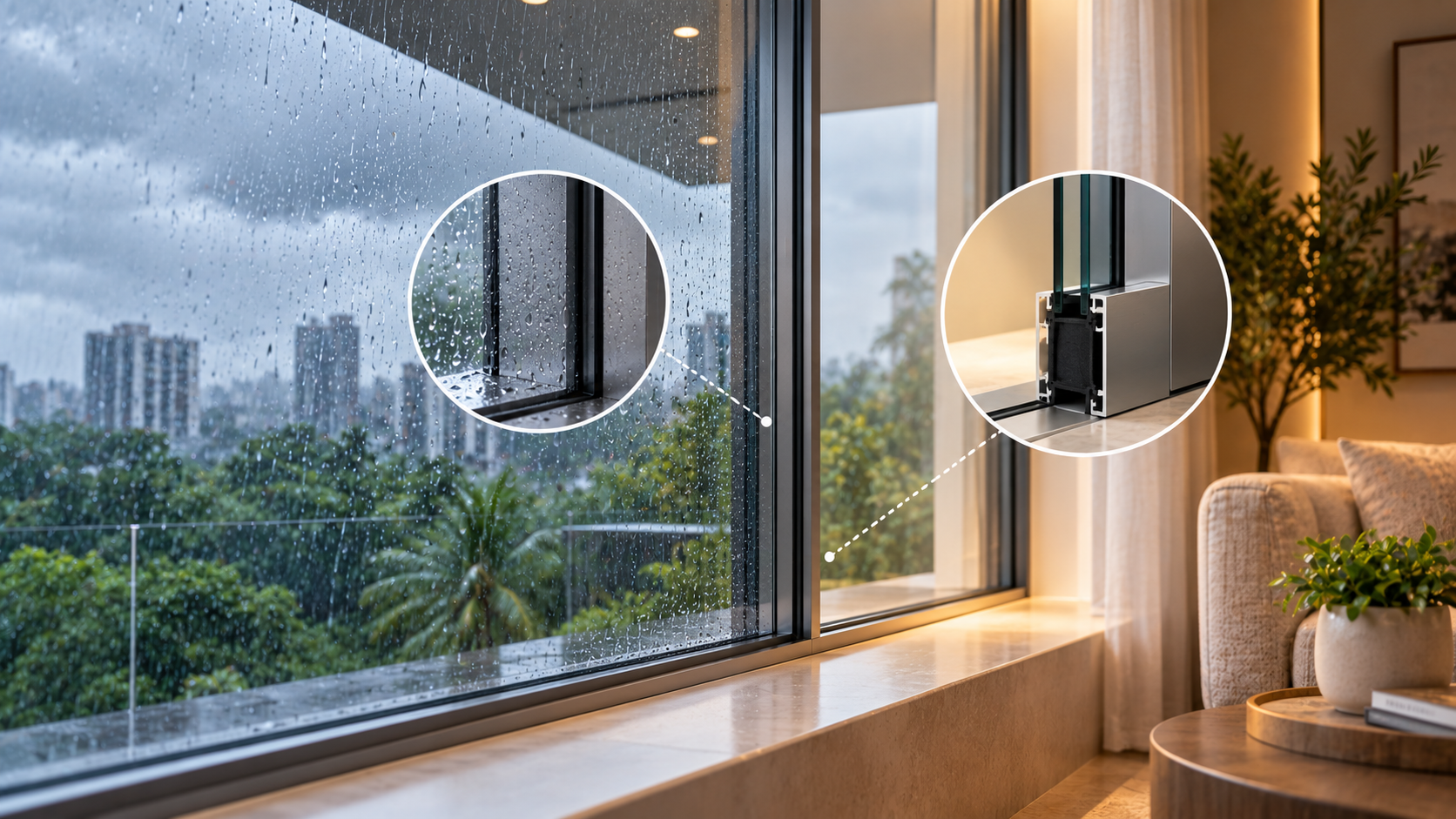
A “Thermal Break” is a strategic, engineered divorce of the metal. The aluminium profile is split into two distinct interior and exterior sections. These two halves are then unified by a high-performance, non-conductive material, typically a reinforced polyamide bar.
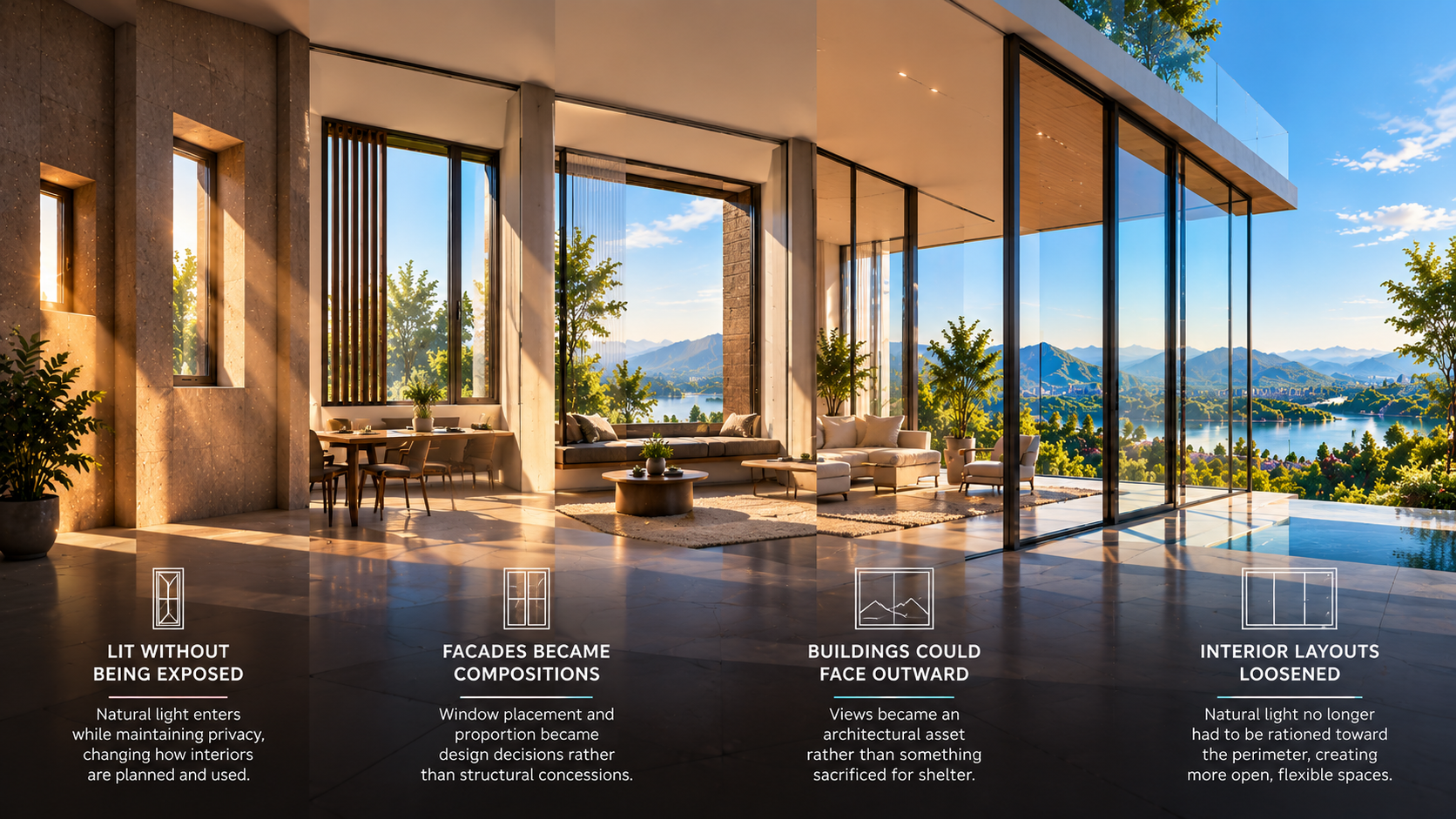
This polyamide strip acts as a structural barrier that “breaks” the path of thermal energy. Because heat cannot easily traverse this reinforced polymer, the exterior temperature is isolated from the interior sanctuary. This profound separation is what allows modern architecture to feature expansive glass walls without turning the home into a thermal liability.
Acoustic Dampening and Aesthetic Versatility
Beyond temperature regulation, the benefits of a thermal break extend into the sensory experience of the home. The introduction of a multi-chambered polyamide barrier adds a sophisticated layer of acoustic insulation. The break disrupts sound waves as they travel through the frame, contributing to a noticeably hushed interior, a prerequisite for high-end urban living.
Furthermore, this technology pioneered the “Dual-Tone” capability. Because the interior and exterior aluminium profiles are separate components joined by the break, designers can specify different finishes for each side. A residence can maintain a resilient, dark metallic exterior to match the building’s facade, while the interior frames are finished in a soft matte or warm bronze to complement the internal palette.
The New Benchmark for the Building Envelope
In contemporary design, specifying thermal break technology is no longer an elective upgrade; it is a foundational requirement for any project prioritizing longevity and atmospheric comfort. It represents the pinnacle of “invisible engineering,” where a narrow strip of high-tech polymer enables the most ambitious architectural visions.
When a window system is thermally broken, it ceases to be a mere frame and becomes a sophisticated climate shield. It ensures that the glass walls which connect a home to the horizon do not disconnect the inhabitants from their comfort. In the delicate balance between transparency and insulation, the thermal break is the quiet arbiter of modern luxury.